Strikes on Russian Oil Refineries Threaten Fuel Shortages for Occupants in Crimea.

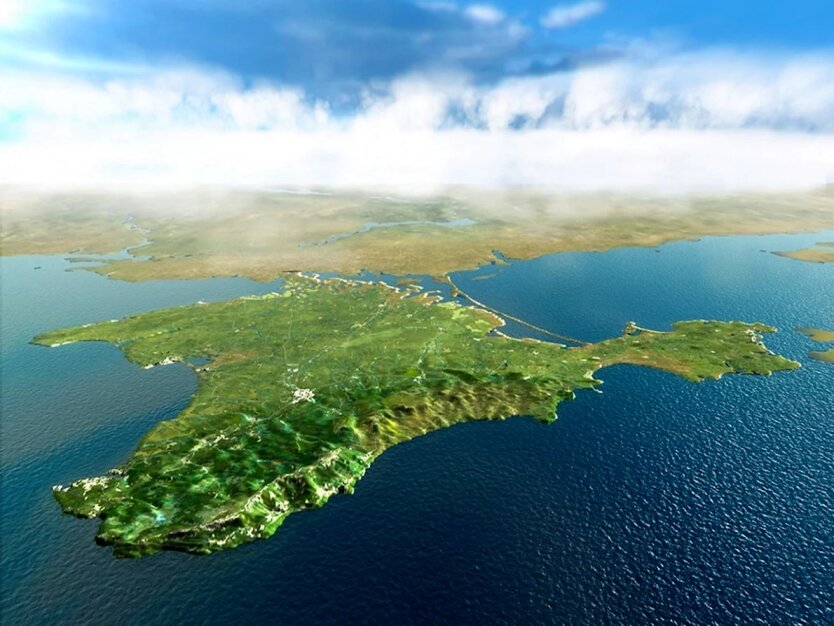
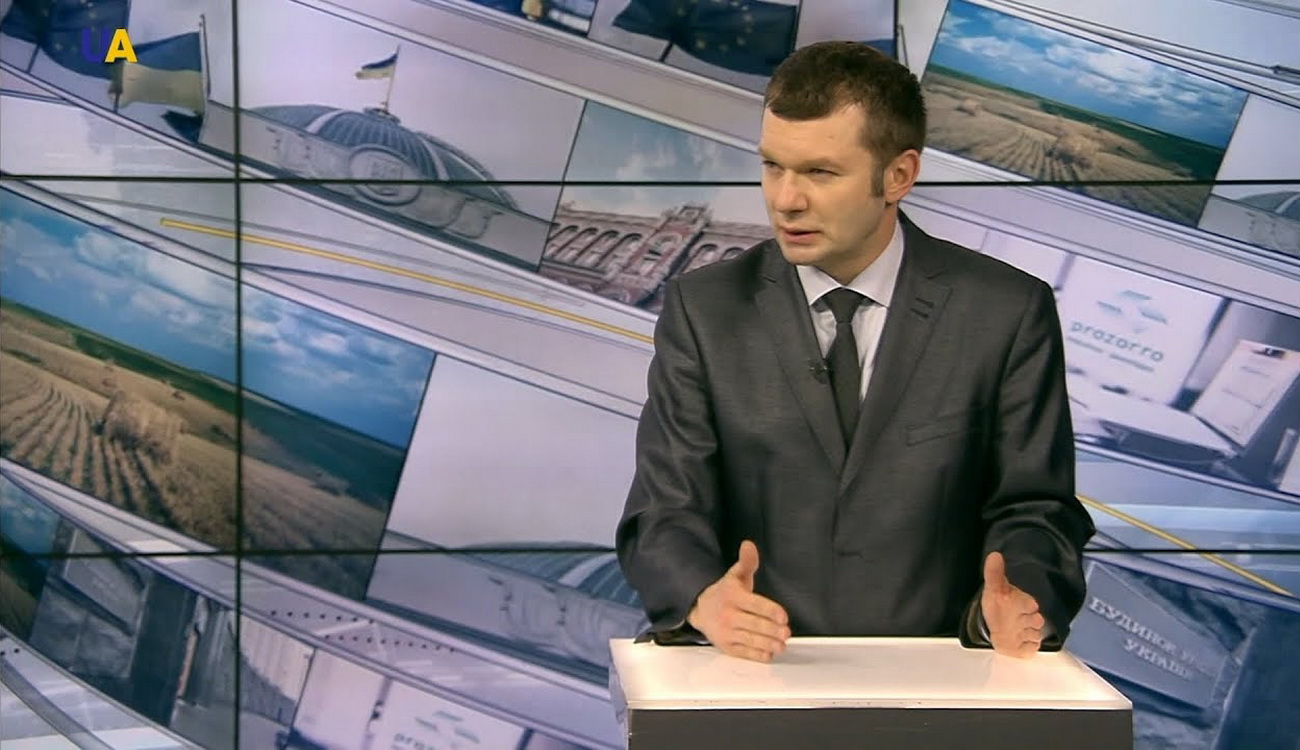
According to inkorr.com: Russian oil refineries are being struck, which may negatively affect fuel supply for the occupying forces in Crimea. This was reported during a telethon by Captain 2nd rank Dmytro Pletenchuk, spokesperson for the Naval Forces of the Armed Forces of Ukraine.
'As for the main consumers of fuel, ships primarily, as we are talking about tons, they are located on the mainland part of Russia. And there are fewer problems with that. Delivering to Crimea itself is more complicated. There are certainly problems with the use of the railway they built through the occupied territories of southern Ukraine to Crimea. There have been hits... They also do not risk bringing tanks through the Crimean Bridge.'
Situation with Aviation Fuel
There are 5 airfields operating around the clock in Crimea, so currently the Russian military evidently has enough aviation fuel. However, there are times when a shortage of fuel is felt in the region, which may become a problem for enemy forces due to the overall decrease in production volumes.
Impact of Ukrainian Attacks
According to Western media reports, 38% of Russian oil refining capacities are currently inactive due to constant attacks by the Ukrainian Armed Forces.
Thus, strikes by Ukrainian military forces on Russian oil refineries can significantly impact fuel supply for troops in occupied Crimea. The spokesperson for the Naval Forces emphasized problems with fuel supply to the peninsula, pointing to a potential shortage for the enemy army. It was also noted that due to the attacks of Ukrainian forces, significant oil refining capacities remain idle in Russia.
This situation raises concerns among military experts, as issues with fuel supply could lead to restrictions on the activities of occupying forces. The situation remains tense, and further developments may influence the course of the conflict in the region.
Read also
- EU Adopts 21st Sanctions Package Against Russia: What It Means for Oil and Banking
- Zelensky Warns of Black Sea Grain Corridor Blockade as Ukraine Calls UN Security Council Meeting
- EU sanctions on Russia slow down as member states prioritize economic interests
- A 35-Minute Manila Meeting Between Rubio and Lavrov Puts Ukraine War at the Center of Talks
- Latvia Moves to Ban Imports from Russia and Belarus: Here's What Will Be Blocked
- Poland Faces Thousands of Daily Cyberattacks from Russia, Deputy PM Calls It Hybrid Warfare