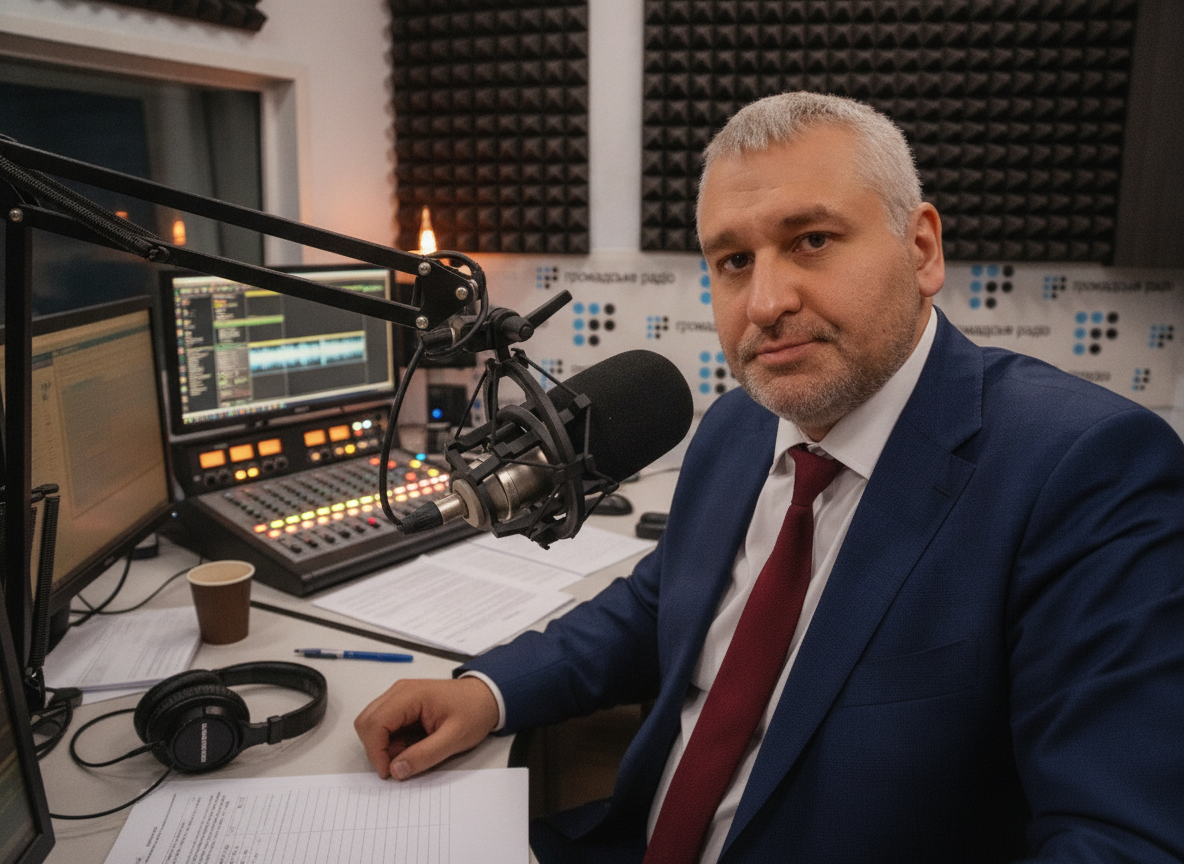
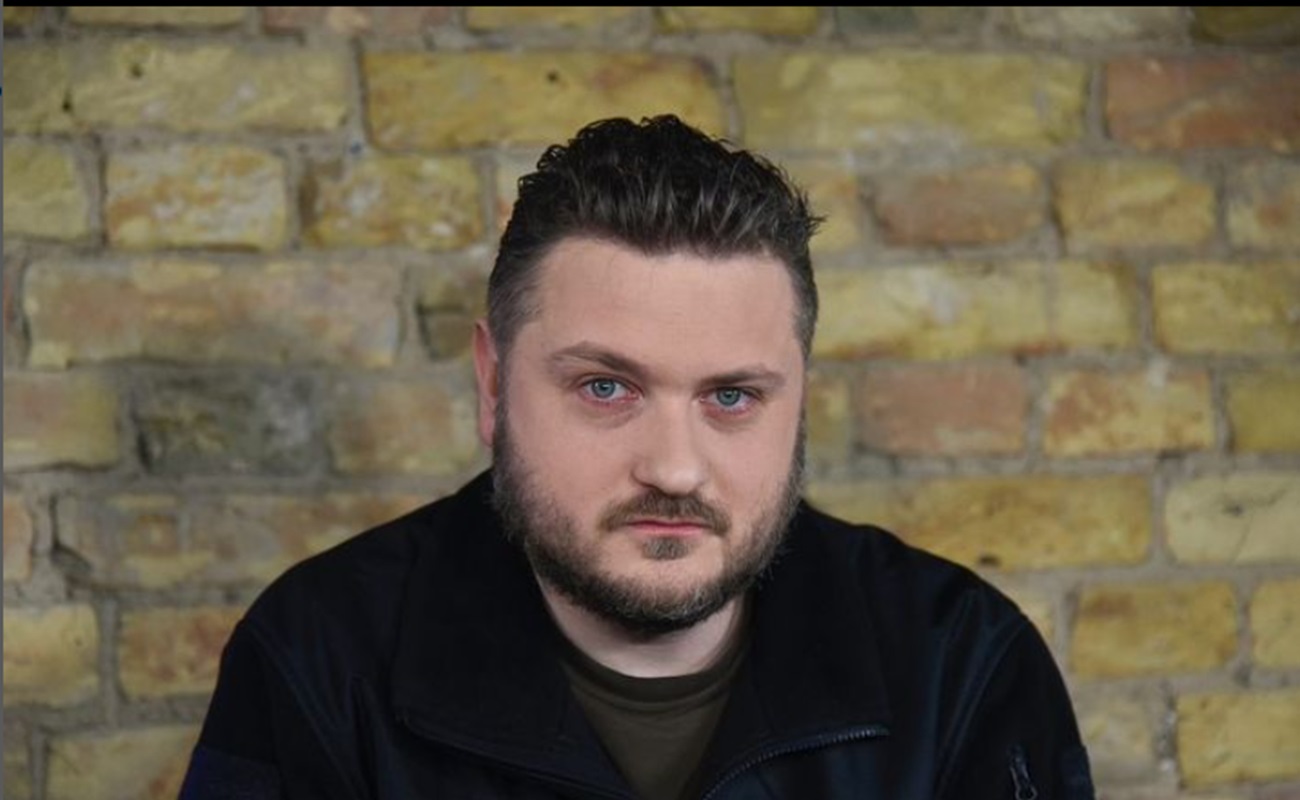
Hungary Dismisses Alleged Orban Assassination Plot as Fake News, with Szijjarto Pointing Finger at Ukraine.

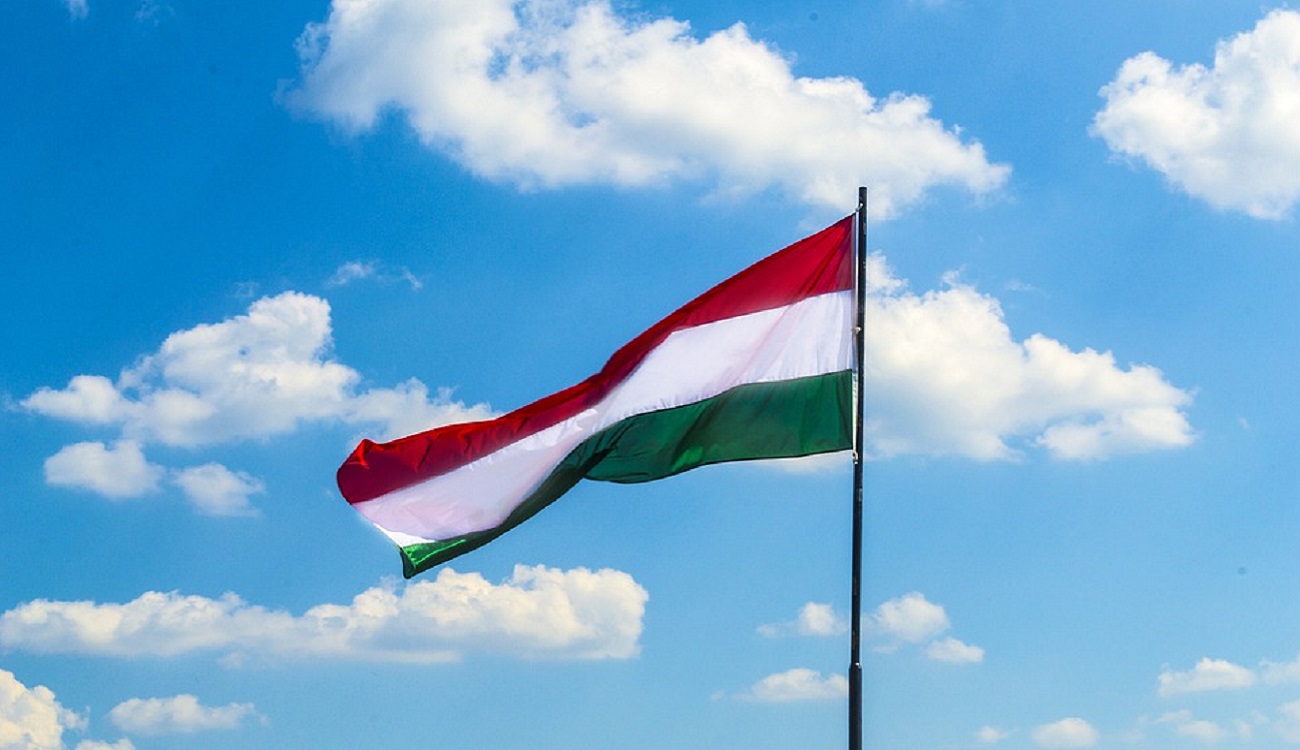
Hungary Rejects Claims of Staged Attack on Orban
According to UATV: Budapest has officially denied reports that Russian intelligence services orchestrated a simulated assassination attempt against Prime Minister Viktor Orban, branding the story 'propaganda'. Foreign Minister Peter Szijjarto argued that such allegations are designed to 'destabilize the country'. This denial follows a Washington Post article alleging that Russian operatives had devised a plan to stage an attack on Orban to influence the outcome of an election campaign.
Growing Domestic Unrest and Political Tensions
The government's statement comes amid large-scale protests in Budapest against Orban's policies. Szijjarto accused Ukraine and the Hungarian opposition of stirring up 'noise' around the alleged plot, insisting the claims are baseless. While the situation has sparked public concern, Hungarian officials firmly reject any notion of a threat from Russian intelligence services. This incident highlights the strained relations between Hungary, Russia, and Ukraine, as well as the country's internal political landscape.
Rising protest sentiments in Budapest may reflect growing public dissatisfaction with the government's actions, potentially shaping future political directions and election campaigns. The Hungarian government's focus on external threats could be an attempt to divert attention from domestic issues and bolster its political image ahead of elections.
Read also
- Hungary Braces for Major Probes: Orban and Szijjarto Could Face Consequences for Alleged Kremlin Ties
- Orban Accuses Former Foreign Minister Szijjarto of Treason Over Alleged Moscow Ties
- BYD Offers Top Job to Hungary's Former Foreign Minister Peter Szijjarto
- Hungary Accuses Ukraine of Targeting TurkStream Pipeline: The Threat to Regional Energy Stability
- Sibiha Slams Szijjártó for 'Disgusting' Reporting to the Kremlin from EU Meetings
- Leaked Calls Reveal Hungarian Minister Shared EU Sanctions Data with Russia’s Lavrov