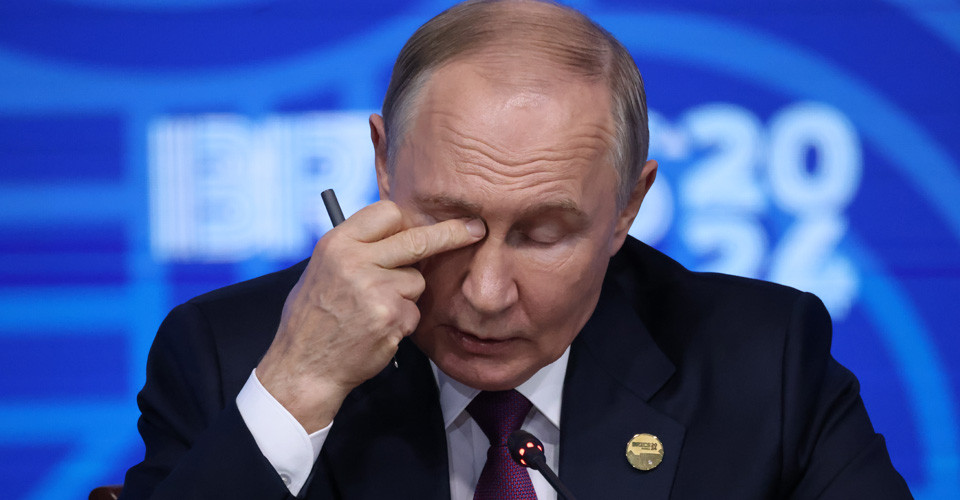
Hungarian Foreign Minister Visits Moscow, Focusing on Energy and Prisoner Talks.

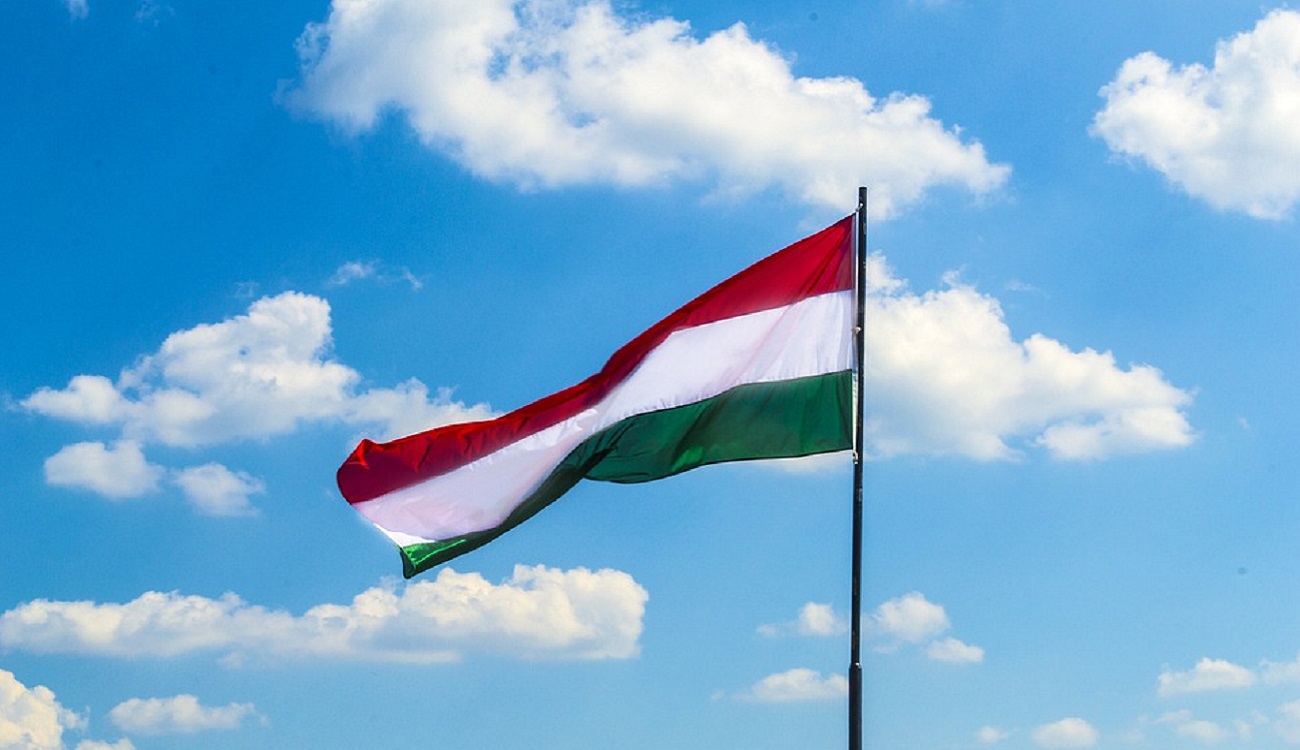
Hungarian Foreign Minister's Trip to Moscow
According to UATV: On March 4, 2023, Hungarian Foreign Minister Péter Szijjártó traveled to Moscow. His discussions centered on securing supplies of Russian oil and gas amidst the ongoing energy crisis, as well as efforts to secure the release of Ukrainian military personnel held by Russia. This visit occurs as Hungary, a member of NATO and the EU, has often pursued a distinct diplomatic approach towards Russia. To date, the Ukrainian side has not received any information regarding these prisoner discussions.
During the visit, Minister Szijjártó emphasized his goal of obtaining supply guarantees, stating:
'I am here to obtain a guarantee for the supply of the necessary quantity of oil and gas.' Péter Szijjártó
This underscores the continued importance of energy cooperation between Hungary and Russia for Budapest, despite the wider geopolitical tensions.
The Domestic Political Context in Hungary
This diplomatic mission takes place against the backdrop of the upcoming Hungarian parliamentary elections, scheduled for April 12, 2023. The political climate surrounding the vote could influence future Hungary-Russia relations, as energy security remains a pivotal issue for Hungarian voters.
Separate attention must be paid to the situation with the 'Druzhba' pipeline. On January 27, 2023, the pipeline was damaged in the Lviv region by a Russian missile strike, potentially affecting regional oil supplies. Ukrainian Prime Minister Denys Shmyhal noted that
'part of the oil from the pipeline had already been pumped into other pipes at the moment of ignition.' Denys Shmyhal
This highlights the severity of the incident. It is worth noting that, pursuant to a sanctions waiver, Hungary is actively communicating to obtain necessary licenses. As Ante Šušnjar stated, 'we are conducting active communication to obtain the necessary licenses,' indicating the Hungarian side's drive to find avenues for stable energy resource supplies.
Thus, Péter Szijjártó's visit to Moscow represents a significant step in the context of Hungary's energy security and highlights the complex political situation in the region.
The Hungarian foreign minister's trip to Moscow underscores the critical nature of energy issues for Hungary, especially during an election period. The matters of Russian energy supplies and the potential release of Ukrainian prisoners remain key topics for international dialogue. Hungary's subsequent actions in the energy sector may impact its foreign policy relations, particularly with Ukraine and other European nations.
Read also
- Hungary Braces for Major Probes: Orban and Szijjarto Could Face Consequences for Alleged Kremlin Ties
- Zelenskyy Assigns Key Economic Tasks as Oleksii Sobolev Joins Presidential Office
- New Ukrainian Government Appointed: Here Are the Ministers Who Got the Jobs
- Orban Accuses Former Foreign Minister Szijjarto of Treason Over Alleged Moscow Ties
- Zelenskyy Unveils New Government: Key Appointments in the Koretskyi Cabinet
- Mykhailo Fedorov Removed as Defense Minister: A Look at the Ministry’s Leadership Since 2014