







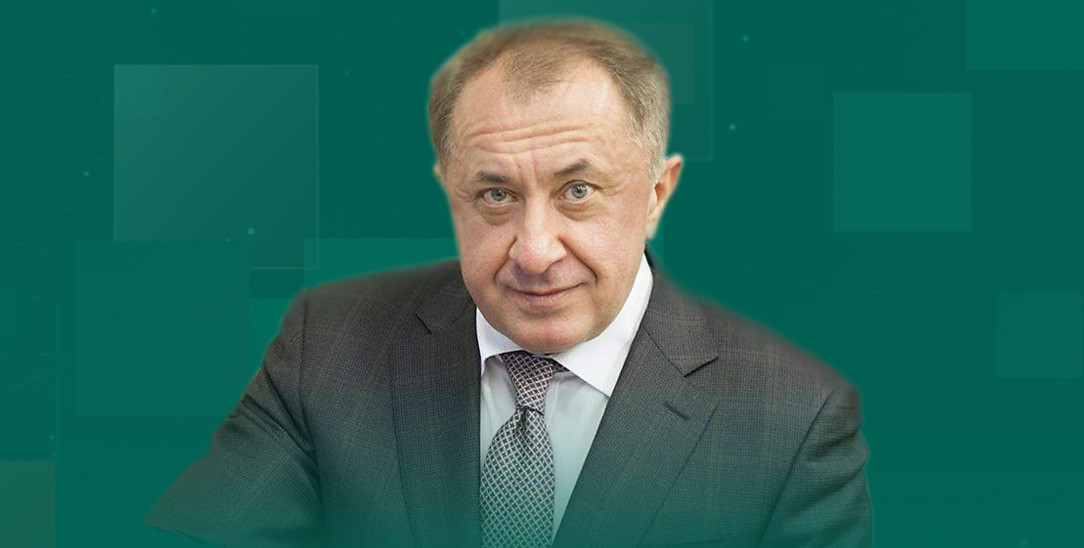
Czech Prime Minister Babiš: Czech Republic will no longer provide Ukraine with money from its budget.
According to ТСН: The Prime Minister of the Czech Republic, Andrej Babiš, expressed several thoughts on supporting Ukraine. He noted that while Prague continues to support Kyiv, the Czech Republic is not ready to provide financial guarantees or allocate funds from its own budget any longer.
Babiš explained his position by citing the difficult economic situation in the Czech Republic. According to him, each credit guarantee essentially becomes public debt.
“We can no longer give Ukraine money from the Czech budget, as we barely have enough even for cooks in our schools. A guarantee is essentially a debt because it is clear that Ukraine will never be able to repay this money,” stated the Czech Prime Minister.
He also emphasized that the total amount of European aid, according to his information, has reached 377 billion euros. The Czech Republic contributes about 2.5 billion euros (60-62 billion crowns) annually to the EU budget and considers this a significant contribution to assistance.
Diplomatic Efforts
The politician focused on diplomatic efforts, expressing his dissatisfaction that at the December EU summit, leaders of the countries “hardly spoke about peace.” Babiš discussed the details of his conversation with French President Emmanuel Macron, in which he proposed a specific timeline to end hostilities:
Ceasefire — before Christmas.
Final end of the war — February 24, 2026.
Babiš also discussed this idea with American leader Donald Trump.
Situation at the Front and Reparations
Commenting on the front-line situation, Babiš called for a realistic approach, citing the opinions of unnamed experts.
“At the same time, we must be realists: if someone says we will defeat Russia, experts argue that we will not,” he emphasized.
Regarding reparations, the Prime Minister noted that Russia, as the aggressor, is obligated to pay for the destruction, but this will only be possible once the war is over.
Government Course
In conclusion, Babiš clearly outlined his government’s position, contrasting it with the policies of his predecessors. He stated that the war in Ukraine will no longer be at the center of Prague's government focus, as the country “will have no influence over it.”
“For us, the Czech Republic comes first, and it will remain so for the next four years,” the Prime Minister concluded.
It has also become known that in Germany, discussions are underway regarding a possible tightening of migration policy, which may affect Ukrainian refugees. Specifically, the CDU has proposed to review the rules for foreigners’ stay, noting that men of conscription age should return to Ukraine “to defend their country.”
Moreover, the CDU plans to require asylum seekers to use their own financial resources to cover their living expenses in Germany and is preparing plans for large-scale deportations of migrants from other countries in 2026.
Thus, the Czech Republic demonstrates a focus on domestic issues and economic stability, reducing financial support for Ukraine. Germany, in turn, is discussing changes to migration policy that may impact Ukrainian refugees, emphasizing the necessity for men of conscription age to return to Ukraine.
Read also
- Who Could Lead Talks with Russia? Czech Republic and Allies Explore Diplomatic Path
- 250,000 Czechs Rally Against Babiš Government: Inside Prague's Massive Protest
- 250,000 March in Prague: Protests Target Government and Controversial 'Foreign Agent' Law
- Terrorist Group Claims Responsibility for Fire at Czech Weapons Plant Supplying Ukraine
- Czech Prime Minister Babiš Rejects NATO Defense Spending Target as Unrealistic
- Czech Government Considers Social Media Ban for Under-15s