185 Ukrainian Defenders Freed from Captivity: Where They Fought and How Long They Waited.

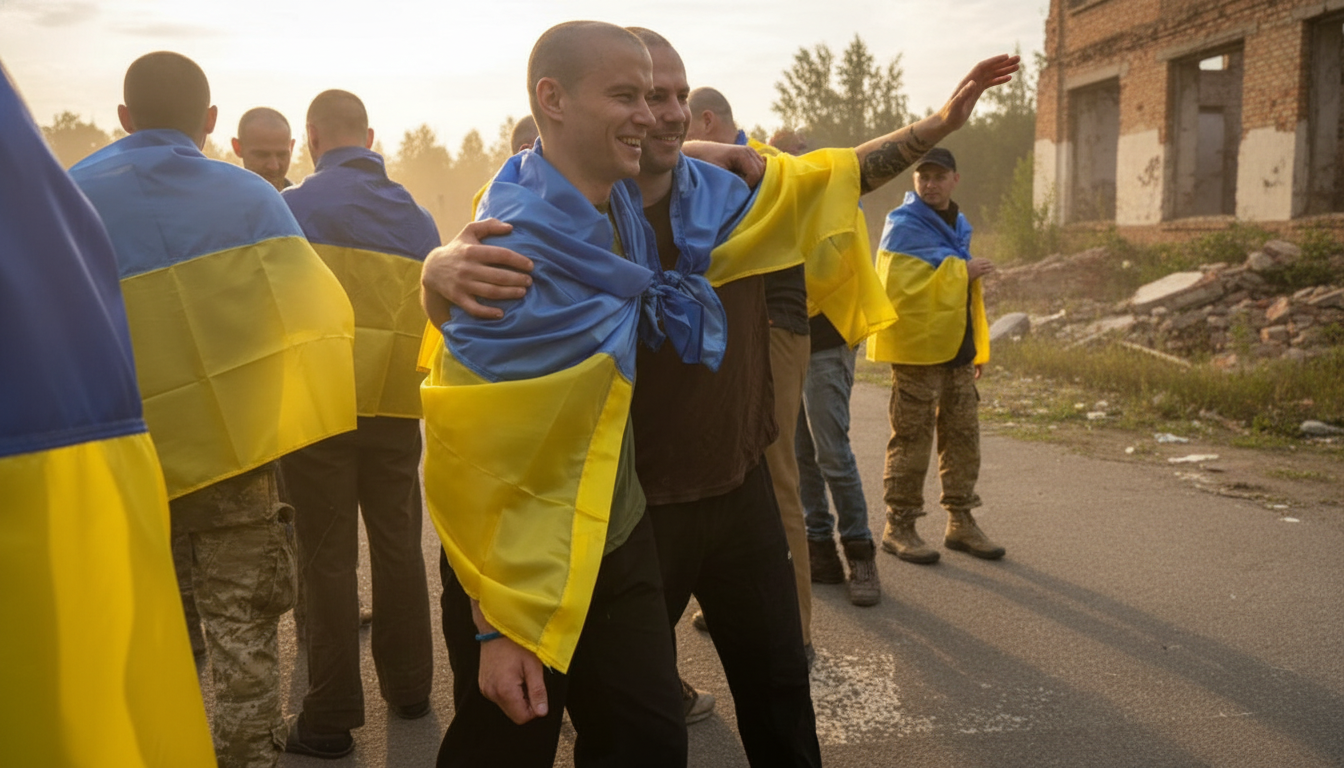
Prisoner Exchange in Ukraine
According to UATV: On June 5, 2023, Ukraine conducted a prisoner swap that brought 185 defenders back from Russian captivity. Among those released was one civilian, while the military personnel came from the Armed Forces of Ukraine, the National Guard, and the State Border Guard Service. Some of these individuals had been held as prisoners since 2022.
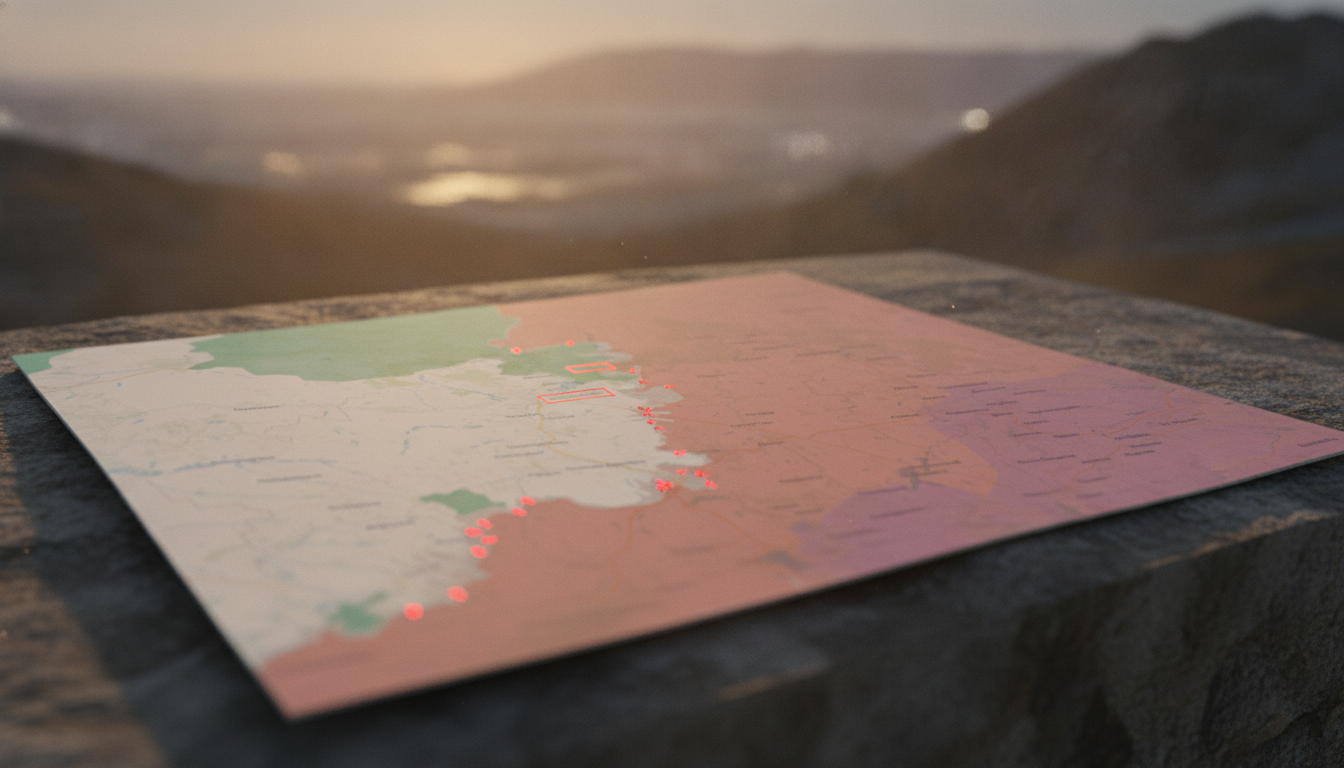
Battle Locations
According to available information, the freed defenders had fought in various regions across Ukraine, including:
- Mariupol
- Azovstal
- Donetsk region
- Luhansk region
- Kharkiv region
- Kherson region
- Zaporizhzhia
- Sumy region
- Kyiv region
- Kursk region
This exchange marked a significant moment for the families of the soldiers and for the country as a whole.
"The work continues. Bringing our people back is an unwavering priority for Ukraine."
President of Ukraine Volodymyr Zelenskyy
It is worth recalling that on May 15, 2023, another 205 soldiers were also returned from Russian captivity, highlighting Ukraine's systematic efforts in this area.
This prisoner exchange underscores the importance of humanitarian initiatives amid the ongoing conflict in Ukraine. The return of defenders from captivity not only holds immense significance for their families but also strengthens the morale of society. As such swaps continue, they reflect the government's and military structures' commitment to supporting their citizens—a critical aspect in the context of war.
Read also
- Zelensky and Top Military Command Outline Response Plan to Russian Strikes
- EU Adopts 21st Sanctions Package Against Russia: What the New Restrictions Target
- Deadly Strikes Hit Kyiv Region and Sloviansk: 11 Killed, Dozens Wounded
- Ukrainian Forces Strike Kirov’s Avitek Plant: Key Military Components Under Sanctions
- A Vatican Meeting Shifted Zelenskyy’s Relationship With Trump: What Happened at St. Peter’s Basilica
- Zelensky Warns of Black Sea Grain Corridor Blockade as Ukraine Calls UN Security Council Meeting