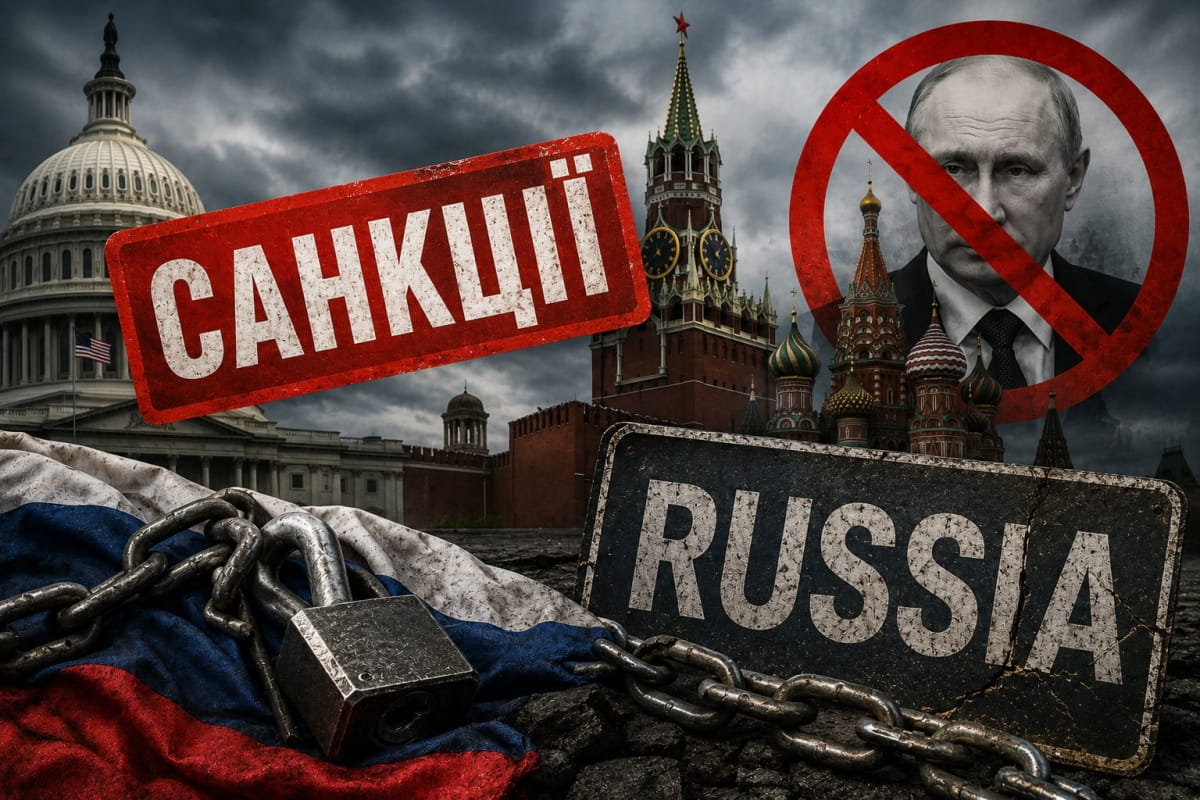
Ukraine Urges Venice Biennale to Revoke Russia's Invitation Over War.

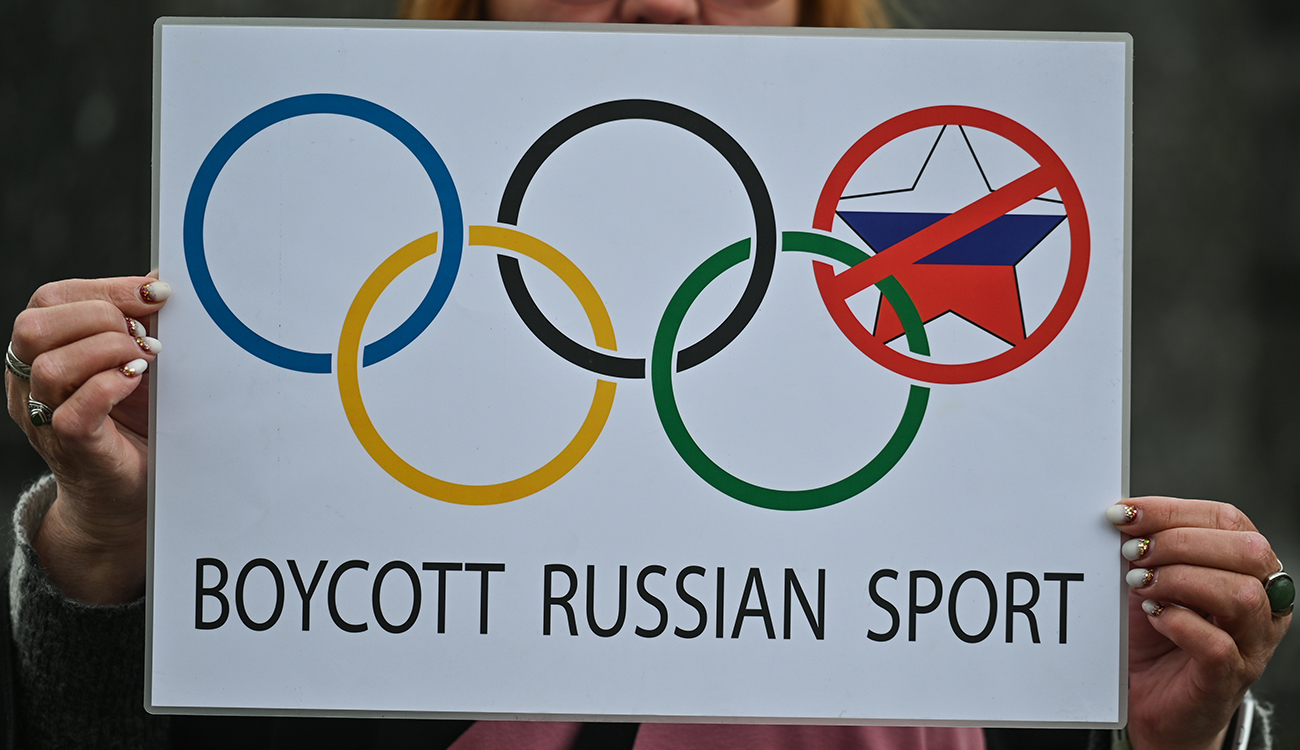
Ukraine's Appeal to the Venice Biennale
According to UATV: Ukraine has called on the organizers of the Venice Biennale to rescind Russia's invitation as a direct response to its ongoing aggression. This appeal follows the recent opening ceremony of the 14th Winter Paralympic Games, where Russian and Belarusian athletes participated under their national flags. Notably, 16 countries and the European Union boycotted the ceremony in protest of Russia's actions. The Biennale, a premier international cultural exhibition, is scheduled to run from May 9 to November 22, 2026.
Sport and International Relations
The opening ceremony was a significant event, marking the first time in 12 years that six Russian and four Belarusian athletes took part. Meanwhile, Ukrainian athletes demonstrated strong performance at the Paralympics, securing six medals on the first day of competition. The situation highlights the ongoing global debate over the role of major sporting and cultural events in geopolitics.
In light of these developments, Ukrainian and international figures have voiced their opinions. Andriy Sybiga stated:
'Sport should embody peace, justice, and respect for international law.' - Andriy Sybiga
Kęstutis Budrys remarked that 'Russia is ‘celebrating’ its return by launching rockets at Ukraine like fireworks.' Baiba Braže emphasized that 'Russia cannot bomb Ukraine, kill civilians, and walk the red carpet of the Venice Biennale.'
Within Ukraine, discussions continue regarding the importance of sporting events in the context of international relations, especially against the backdrop of escalating regional tensions. The participation of Russian athletes in international competitions has become a focal point for criticism and protests from numerous nations.
Ukraine's call to the Biennale organizers reflects a broader trend of seeking to isolate Russia internationally due to its war in Ukraine. The inclusion of Russian participants in global events remains highly contentious, as many countries argue that cultural and athletic exchanges cannot proceed normally amidst acts of aggression and violations of international law. How this issue is resolved could have significant implications for Russia's future participation in international events and its overall standing on the world stage.
Read also
- Fedorov Leaves Government but Remains a Key Player in Zelenskyy’s Inner Circle
- Mass protests erupt across Kyiv and other cities following Fedorov's resignation
- Hungarian President Resigns After Signing Constitutional Amendment
- France Summons Russia’s Chargé d’Affaires Over Cyberattacks Linked to FSB’s 16th Center
- Trump Threatens Tariffs Against Canada Over Wildfires: Here’s What We Know
- U.S. lawmakers propose sanctions on Russia if it refuses peace talks with Ukraine