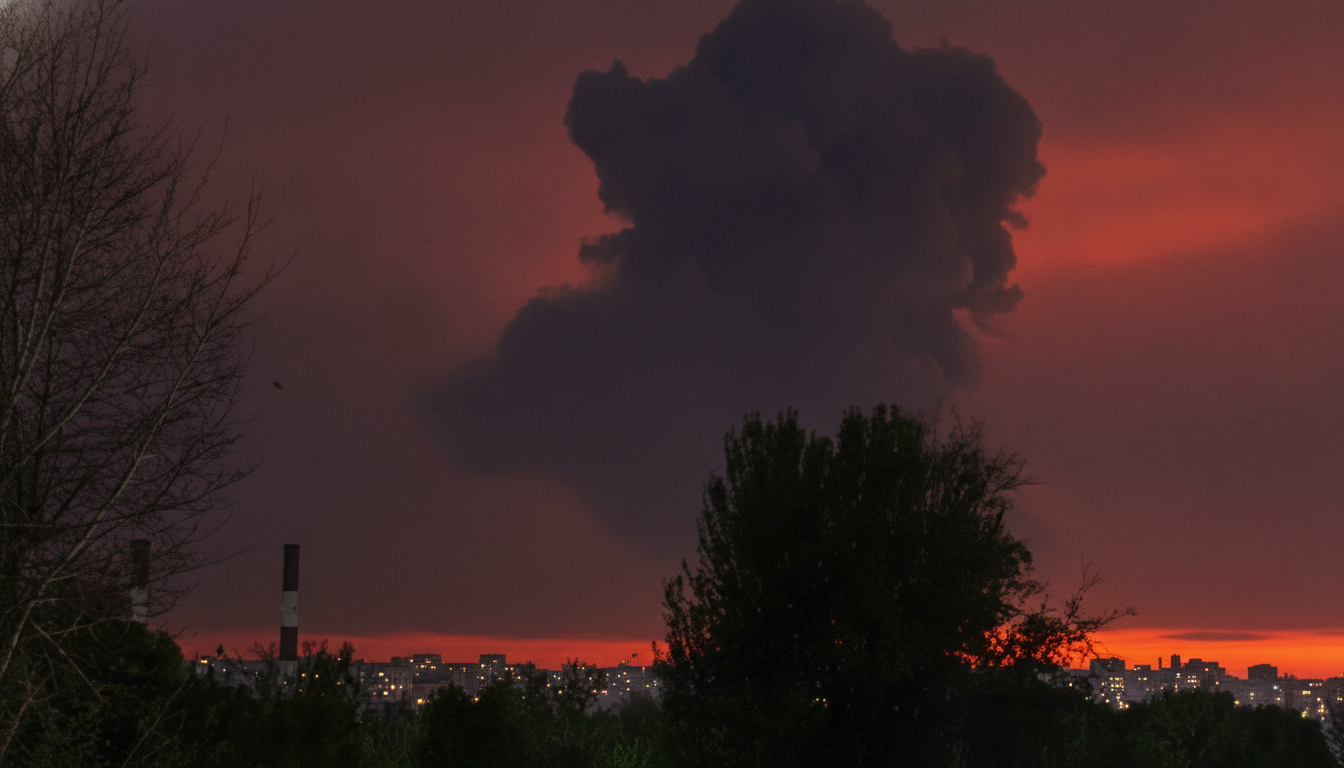
Ukrainian 'Flamingo' Missile Test Coincides with Strikes on Russian 'Iskander' Plant.

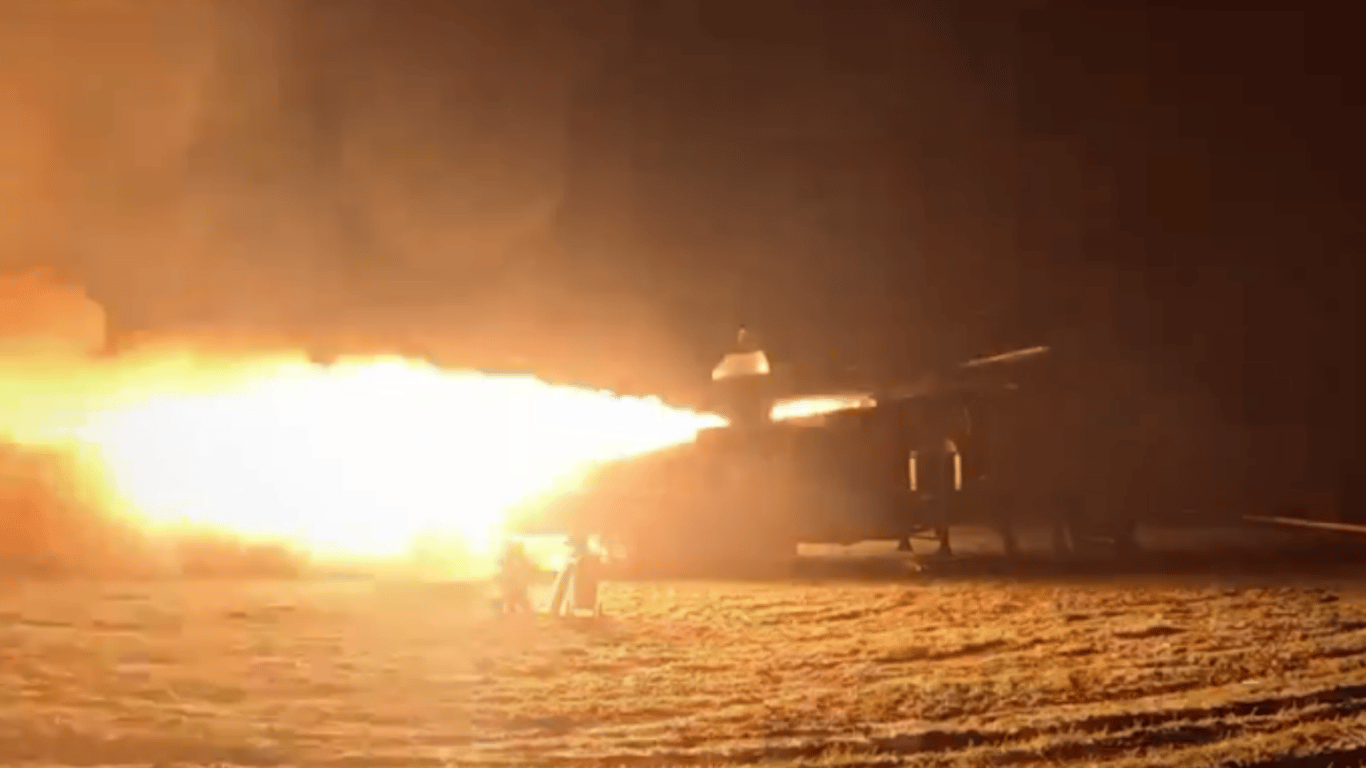
Flamingo Missile Launch and Votkinsk Plant Strikes
According to Novyny.live: On February 20, 2026, Fire Point company co-owner Denis Shtilerman demonstrated a launch of 'Flamingo' missiles. This event coincided with reported strikes on the Votkinsk plant in Udmurtia, a key facility for Russia's nuclear forces located approximately 1,500 km from Ukraine. The Votkinsk plant, which manufactures 'Iskander-M', 'Topol-M', and 'Oreshnik' missiles, has undergone significant changes, hiring around 2,500 new workers since 2022. This facility is a cornerstone of Russia's strategic weapons production, making it a high-value target.
Russia imported millions of dollars worth of modern equipment in the summer of 2025 to expand production at this site. In a related development, Ukrainian President Volodymyr Zelenskyy stated on November 1, 2025, that Ukrainian 'Flamingo' missiles had been used nine times. However, by February 2026, Zelenskyy noted that Ukraine did not possess a large stockpile of these weapons. The timing of these events highlights the ongoing technological duel between the two nations.
Commenting on the missile launch, Denis Shtilerman noted: ''Here is a short video. Without context. Context — later.''
This cryptic statement sparked discussion among experts and observers monitoring military technology developments in Ukraine and Russia. The topic of missile launches and their application remains highly relevant within the context of modern warfare and geopolitical standoffs.
Implications for Regional Security
The 'Flamingo' missile test and the activity at the Votkinsk plant signal a continued arms race and escalating regional tensions between Ukraine and Russia. Advancements in military technology and the production of new weapon types could significantly influence the conflict's trajectory, forcing both sides to constantly adapt their strategies. These developments are closely watched by Western intelligence agencies assessing the war's evolution.
Monitoring such events is crucial for understanding the broader regional situation and the potential consequences for international security.
Read also
- Zelensky and Top Military Command Outline Response Plan to Russian Strikes
- EU Adopts 21st Sanctions Package Against Russia: What the New Restrictions Target
- Deadly Strikes Hit Kyiv Region and Sloviansk: 11 Killed, Dozens Wounded
- Ukrainian Forces Strike Kirov’s Avitek Plant: Key Military Components Under Sanctions
- A Vatican Meeting Shifted Zelenskyy’s Relationship With Trump: What Happened at St. Peter’s Basilica
- Zelensky Warns of Black Sea Grain Corridor Blockade as Ukraine Calls UN Security Council Meeting