Olympic Committee Bars Ukrainian Skeleton Athlete Over Memorial Helmet.

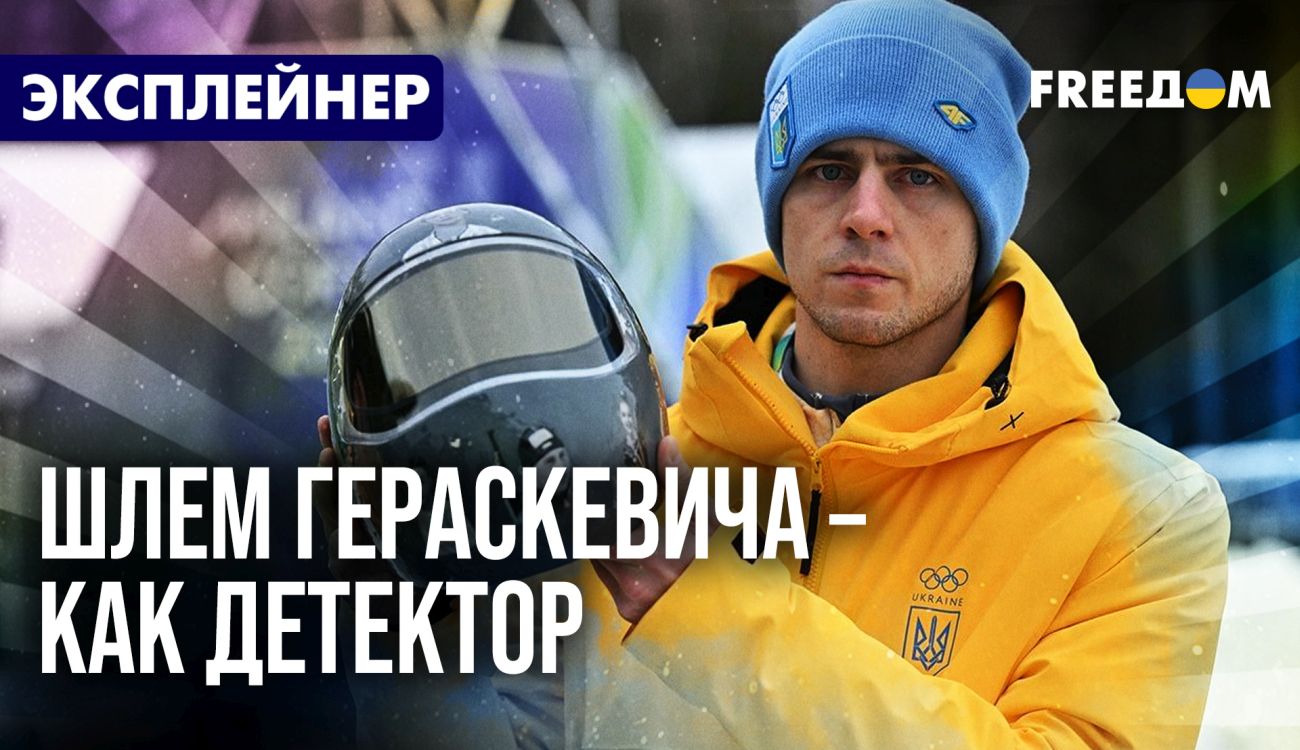
Vladyslav Heraskevych's Olympic Controversy
According to UATV: Ukrainian skeleton racer Vladyslav Heraskevych has been disqualified from the Olympic Games for refusing to remove a helmet featuring portraits of deceased Ukrainian athletes. The International Olympic Committee (IOC) cited a breach of Rule 50 of the Olympic Charter. Heraskevych is the first Ukrainian to represent his nation in skeleton at both the World Championships and the Olympic Games. This incident highlights the ongoing tension between personal expression and the IOC's rules on political neutrality in sport.
On February 12, 2023, Heraskevych was officially suspended from competition. He had first worn the commemorative helmet during an official training session on February 9. A member of the Ukrainian national team since 2016, Heraskevych previously competed in the 2018 PyeongChang and 2022 Beijing Games. At the Milan Olympics, he recorded a time of 56.70 seconds in his third training run.
Reactions to the Suspension
The decision has drawn sharp criticism from sports and human rights organizations. Matvei Bednyi commented on the situation, stating:
"This was an unfair decision. ... Why can't we honor their memory?"
Volodymyr Zelenskyy also voiced his opinion: "This is clearly not about peace, and not about justice...". Zhan Beleniuk emphasized that "flirting with representatives of the aggressor country is indeed a political act."
Criticism of the IOC intensified following its decision to allow 13 Russian athletes to compete under a neutral white flag. This move provoked outrage among many Ukrainian athletes and their supporters. Mykhailo Heraskevych noted: "They had a dream, but they did not realize it because they were killed." Such events threaten the very idea of the Olympic Games, as stated by Global Rights Compliance: "The Olympic Games are once again under threat..."
Vladyslav Heraskevych's suspension underscores the complex political realities facing Ukrainian athletes and raises serious questions about fairness in international sport. The situation reflects not only a personal tragedy for the athlete but also the broader challenges confronting Ukrainian sports during wartime. Barring an athlete for paying tribute to fallen colleagues highlights the strained relationship between geopolitical conflict and sporting principles, potentially damaging the IOC's credibility as it navigates the participation of athletes from nations engaged in international aggression.
Read also
- Zelensky and Top Military Command Outline Response Plan to Russian Strikes
- EU Adopts 21st Sanctions Package Against Russia: What the New Restrictions Target
- Deadly Strikes Hit Kyiv Region and Sloviansk: 11 Killed, Dozens Wounded
- Ukrainian Forces Strike Kirov’s Avitek Plant: Key Military Components Under Sanctions
- A Vatican Meeting Shifted Zelenskyy’s Relationship With Trump: What Happened at St. Peter’s Basilica
- Zelensky Warns of Black Sea Grain Corridor Blockade as Ukraine Calls UN Security Council Meeting