Japan Elects Its First Female Prime Minister: Who Is Sanae Takaiichi.

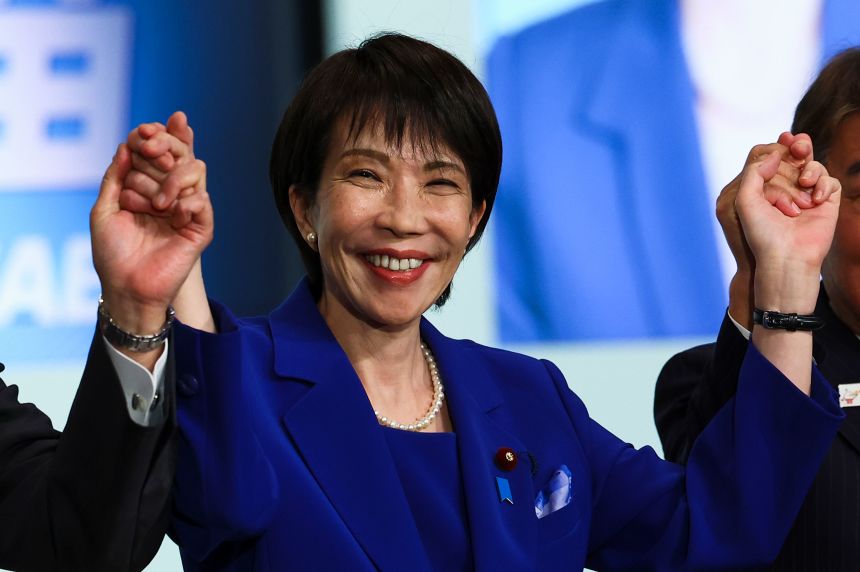
According to inkorr.com: The Japanese Parliament elected Sanae Takaiichi on Tuesday
as the new Prime Minister, marking a significant event for the country. The 64-year-old politician is the first woman to lead Japan's government – in a country where politics has traditionally remained a male sphere. This is reported by
Reuters.
The First Woman Prime Minister of Japan
Takaiichi secured a decisive victory in the first round of voting in the lower house of Parliament, receiving 237 votes against 149 for the opposition Constitutional Democratic Party leader Yoshihiko Noda. This allowed her to avoid a second round.
Lawmakers welcomedher election with thunderous applause.
Takaiichi's victory was made possible by a coalition agreement between her Liberal Democratic Party and the Party of Japanese Innovation. The new Prime Minister agreed to support a number of her partners' initiatives, including:
- reducing the number of parliamentary seats;
- free secondary education;
- a two-year pause in the collection of the consumption tax on food products.
About Sanae Takaiichi
Takaiichi was born in Nara city near Osaka into the family of an automotive company employee and a police officer. Unlike many Japanese politicians, she does not belong to a political dynasty. Before entering politics, she interned with a Democratic congresswoman in the US and worked as a telecom commentator. Since then, she has been elected to Parliament nine times.
Takaiichi's Political Views
The new Prime Minister holds conservative views and continues the political legacy of the assassinated former Prime Minister Shinzo Abe. She supports initiatives to revise Japan's pacifist constitution and large state investments in strategic sectors. Takaiichi takes office at a challenging time: the country is facing economic difficulties, high inflation, and regional tensions. Her predecessor, Shigeru Ishiba, resigned after losing the majority in Parliament.
The election of Sanae Takaiichi carries significant symbolic and practical meaning for Japan. As the first woman to hold the prime ministerial position, she opens up new opportunities for women’s representation in politics. Moreover, her government will face numerous challenges that require urgent solutions and innovative approaches. Society will be watching her reforms in state policy, hoping for stability and progress.
Read also
- The Vanishing Act of Foreign Firms at Russia’s Premier Economic Forum: How the SPIEF Has Transformed
- The assassin of Shinzo Abe confessed in court: the motive for the crime revealed