The Vanishing Act of Foreign Firms at Russia’s Premier Economic Forum: How the SPIEF Has Transformed.


Shifts in SPIEF’s Participant Landscape
According to Espreso.tv: After 2022, the St. Petersburg International Economic Forum (SPIEF) underwent a dramatic overhaul in its attendee profile, dealing a heavy blow to its global standing. The most striking developments in recent editions have been the sharp drop in foreign participants and the complete absence of multinational corporations. Back in 2019, the forum drew over 19,000 attendees from 145 countries, including top executives from major players like Boeing, Shell, TotalEnergies, and Huawei. Before the war, SPIEF also attracted high-profile world leaders such as Xi Jinping, António Guterres, Shinzo Abe, Narendra Modi, and Emmanuel Macron.
The 2022 Turning Point and Its Fallout
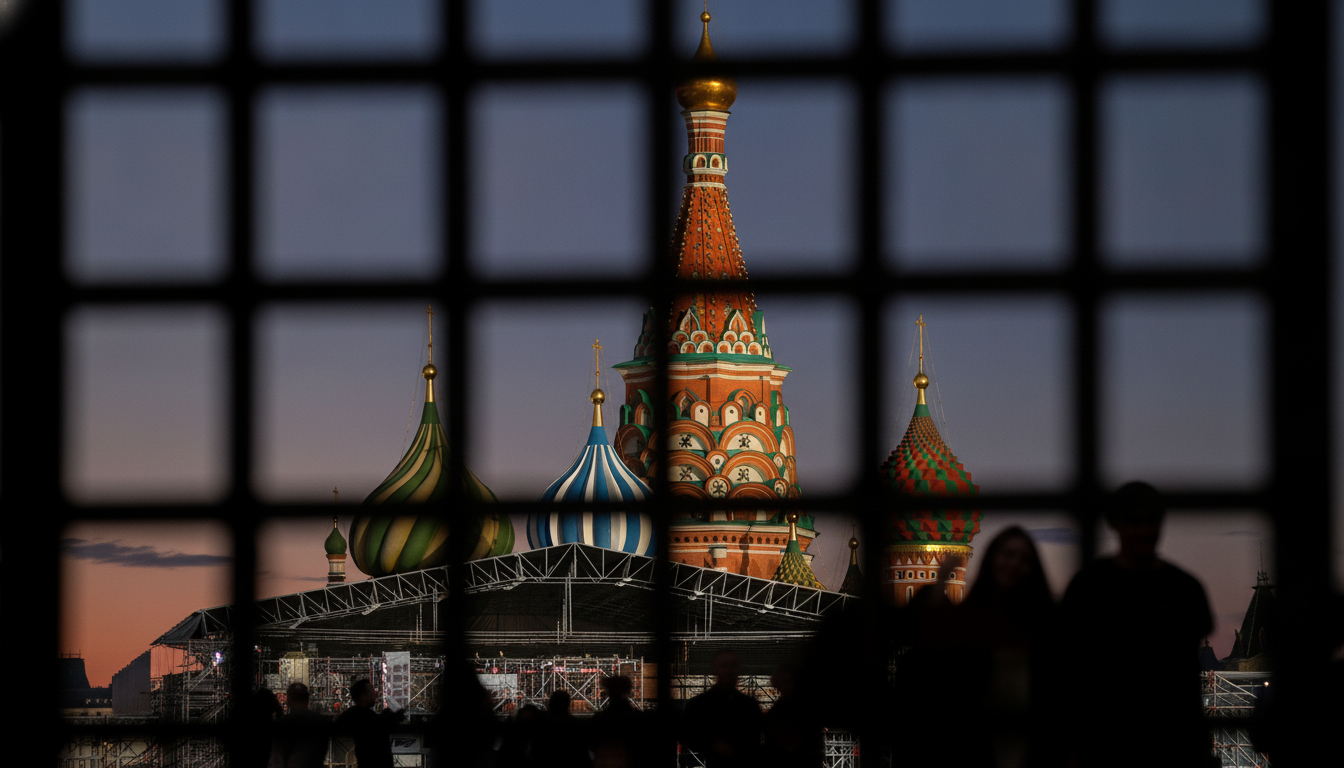
Everything changed in 2022. The forum failed to attract any international businesses, with only representatives from Saudi oil companies showing up. This stark shift points to deep troubles in international cooperation and a tarnished reputation for the event. The ExpoForum, built specifically for SPIEF in 2014, no longer serves its original purpose as its prestige has plummeted.
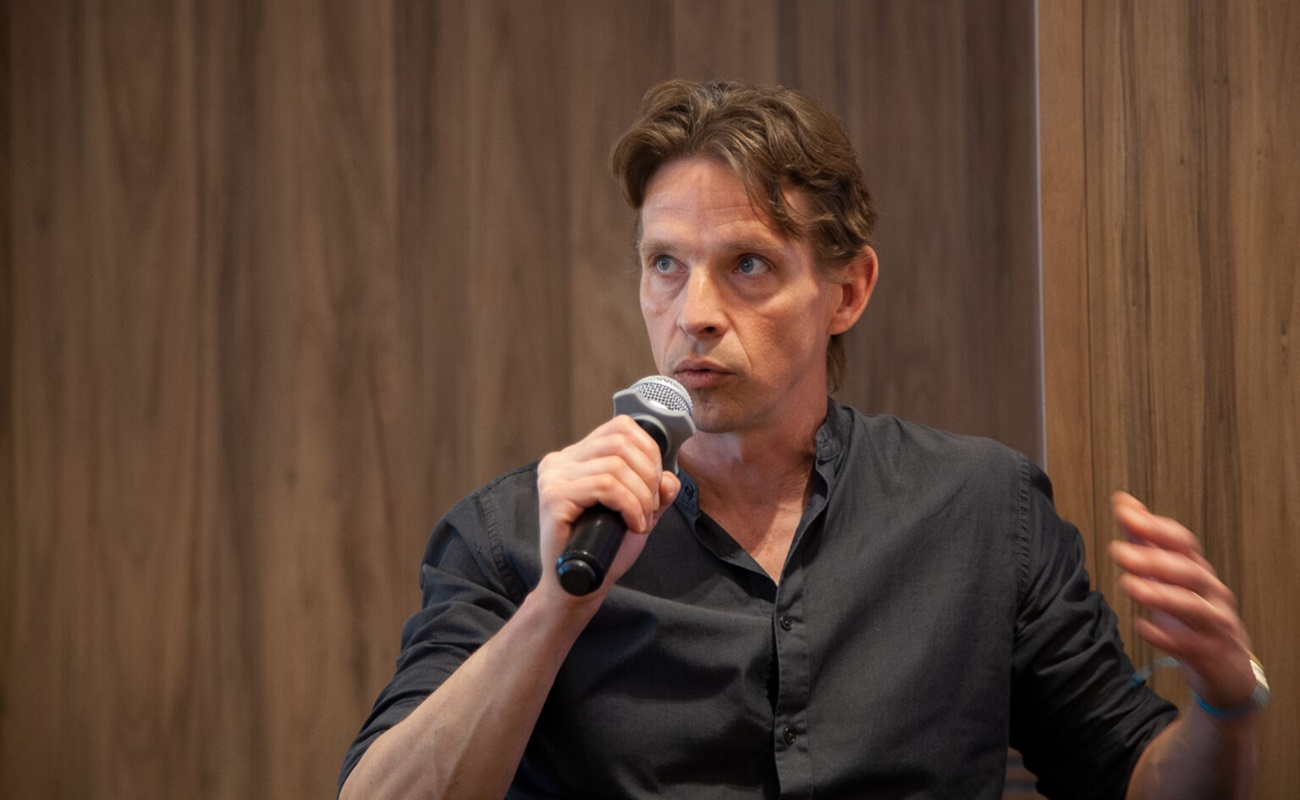
This year’s gathering featured speeches from fringe figures calling for aggression, further highlighting how the forum’s tone has changed. As one anonymous commentator noted:
“SPIEF, honestly, just isn’t the same anymore.”Another observer remarked:
“Surprisingly accurate and precise predictions that seem to have partly come true already.”These remarks capture the widespread disappointment and anxiety about SPIEF’s future amid recent events.
In short, the dwindling number of foreign attendees and the lack of any international business presence signal major shifts for Russia’s key economic forum—shifts that could have lasting consequences for its development and influence on the global economy.
Once a vital platform for international dialogue and cooperation, SPIEF now faces significant challenges that may curb its role on the world stage. The shrinking international footprint at the forum may reflect broader trends in the global economy and politics, where isolation and shifting priorities are becoming more pronounced. Whether SPIEF can adapt and evolve under these new conditions remains uncertain, especially given current global economic trends.
Read also
- China Challenges US Dominance in AI: Xi Jinping Proposes a New Global Body
- China Demands a Fivefold Price Cut: Stalemate in Power of Siberia 2 Pipeline Talks
- China's Trade Leverage Over Russia Surges from 10% to 40% as Putin Becomes the Dependent Partner
- Why Belarus Avoids War While Lukashenko Recruits Migrants and Expands the Army
- China Backs North Korea’s Nuclear Build-Up as Pyongyang Escalates Military Ambitions
- Can Sybiha’s Trip to China Shift Beijing’s Stance on the War?