Protect Your Smartphone: Critical Data You Must Delete Now.

Smartphone Data Security
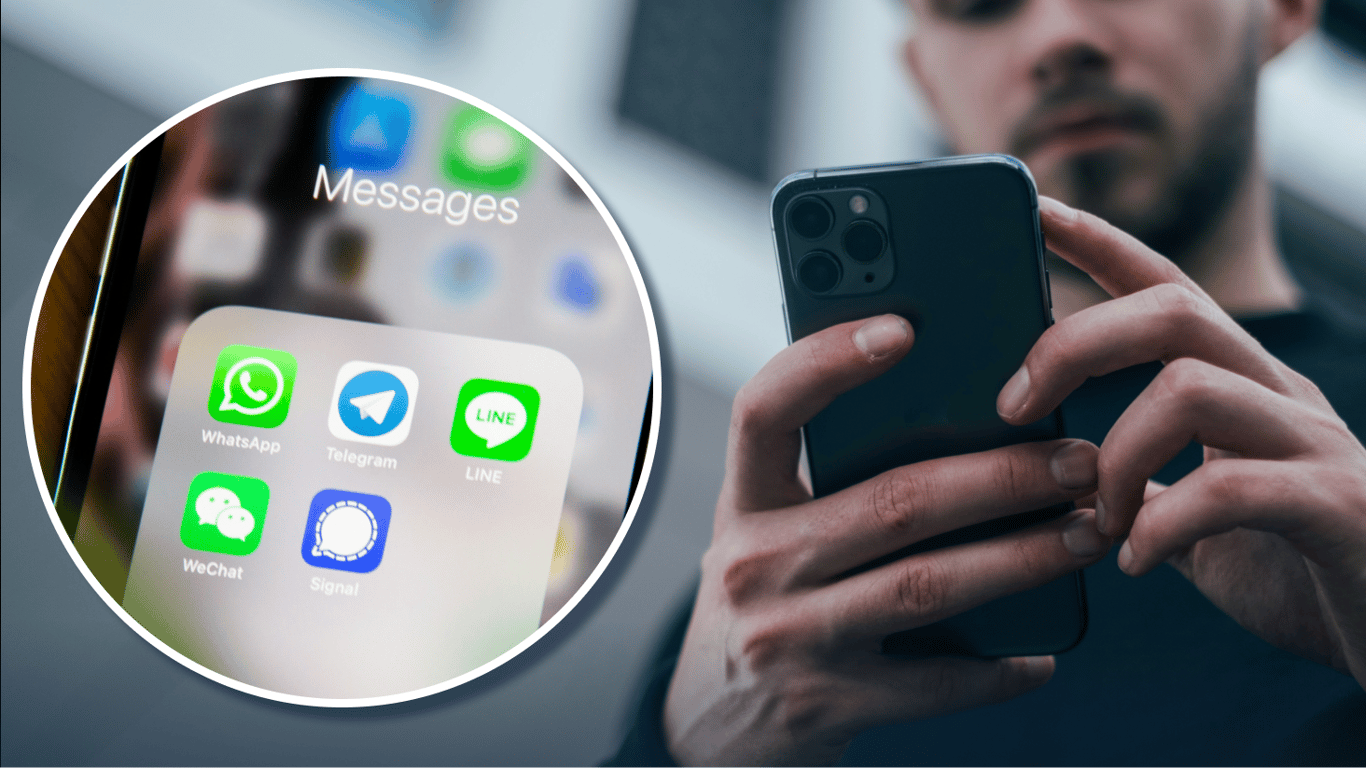
According to Novyny.live: While smartphones are central to modern life, storing sensitive information on them creates a significant security risk. Many users keep photos of documents, banking details, and personal data on their devices, making them vulnerable to malicious actors. If a device is lost or hacked, criminals can gain access to personal data, steal money, or even take out loans in someone else's name.
The most dangerous items are SMS and messenger texts containing personal details like names, addresses, passport numbers, tax IDs, and card details. Photos of passports, ID cards, driver's licenses, and screenshots of bank correspondence are also high-risk. Special attention should be paid to information stored in notes, email drafts, and messages sent to oneself.
Steps to Reduce Your Risk
To mitigate the risks of holding sensitive data, experts advise clearing your trash and backups in Google Drive or iCloud. Furthermore, the cache on Android devices accumulates over time, and clearing it removes temporary files without data loss. The following data should be your top priority for removal:
- Photos and screenshots containing documents or financial information.
These simple steps will help safeguard your confidential information from unauthorized access.
Modern phones can charge to the required level in 30-60 minutes, allowing for quick resumption of use. However, protecting your data should be a priority not only during the device's operation but also after its work is done. Therefore, it's crucial to regularly review and clean the information stored on your smartphone to avoid potential future problems.
As digital threats continue to evolve, securing personal data on smartphones is increasingly vital. Mobile device owners must understand the risks associated with storing sensitive information and take proactive steps to secure it. Regular data cleansing and using secure storage methods can significantly reduce the likelihood of unauthorized access to personal information. For English-speaking users, this is especially relevant given the widespread use of mobile banking and digital identity services.
Read also
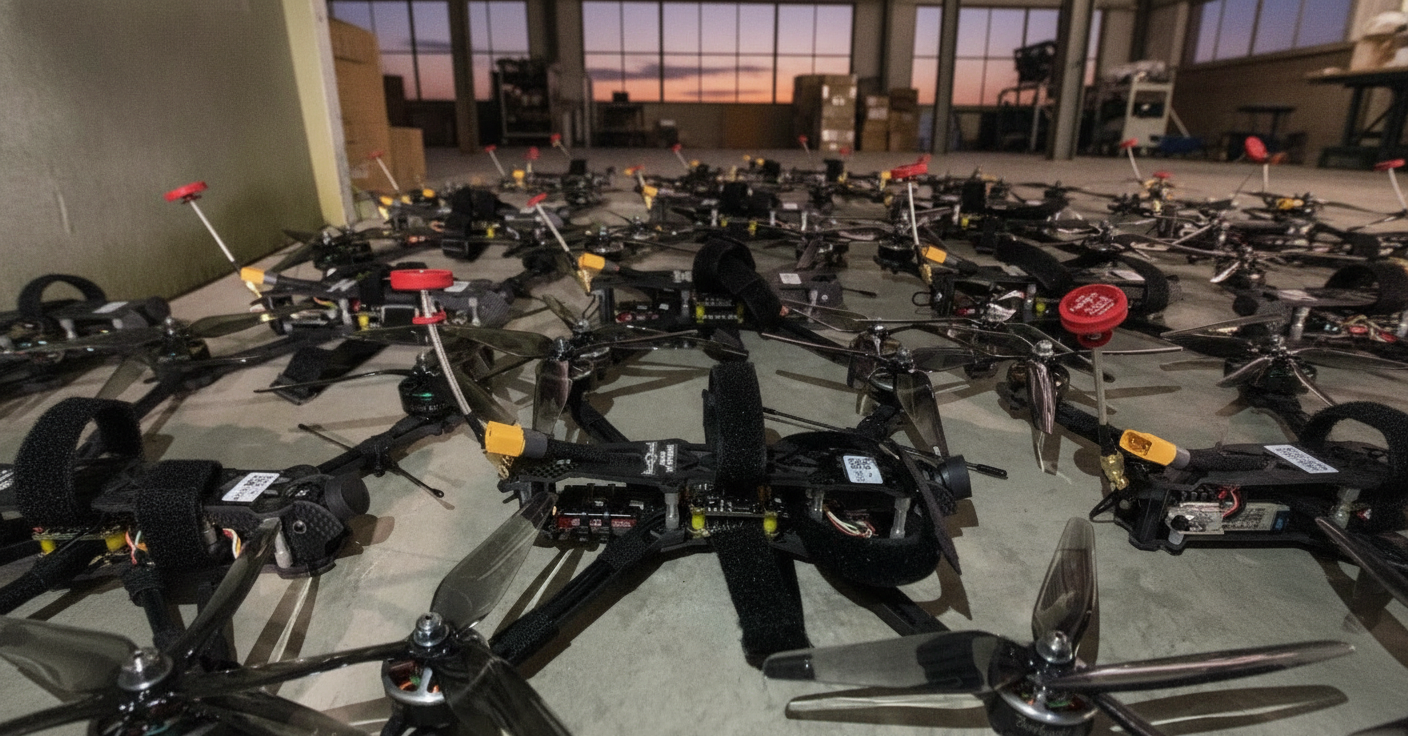
- Ukraine to Receive 100,000 Shrike Drones Under €90 Million Deal
- AI-Powered German Vector Drone Now Used in Military Drills: Capabilities and Features
- Why Ukraine Cannot Reproduce the Patriot System: An Expert Names the Key Hurdles
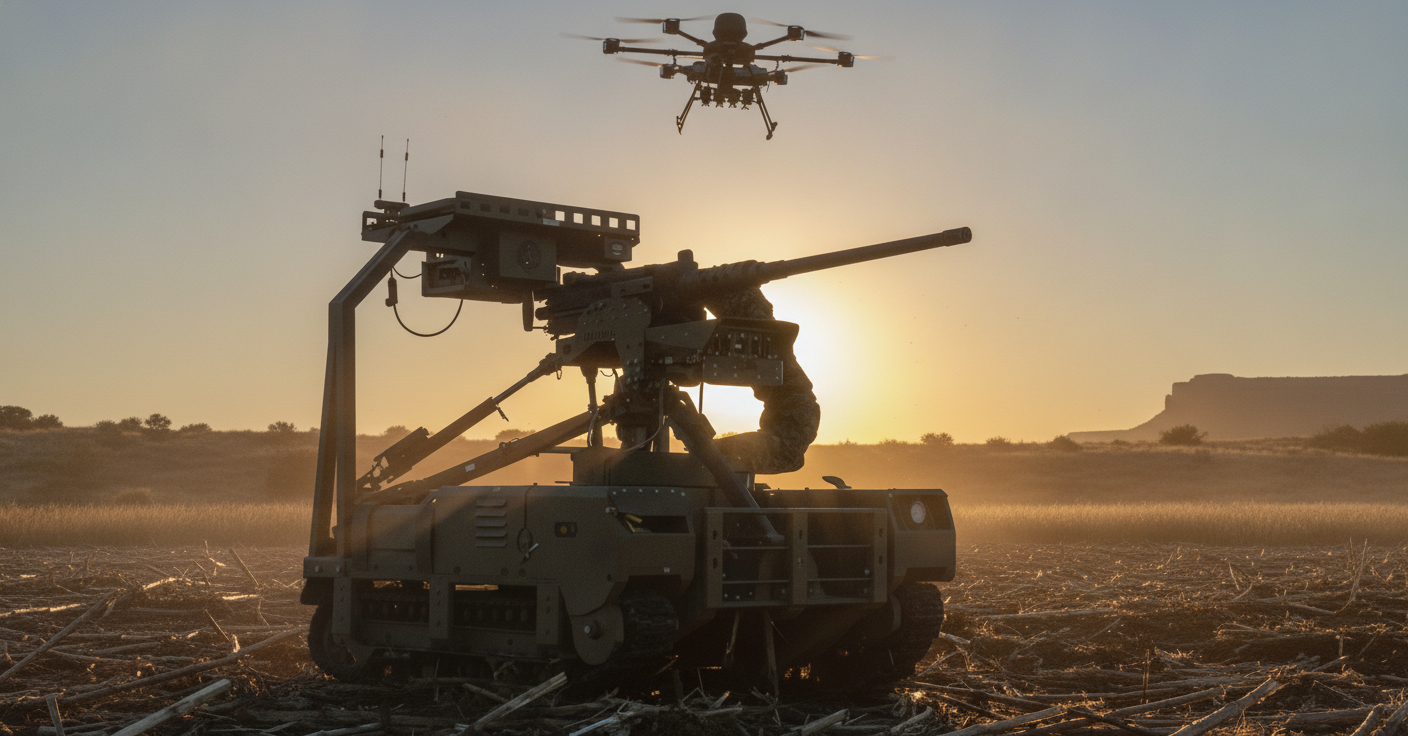
- Moscow’s Propaganda Falsely Claims Destruction of Ukrainian Robot Units: The Truth Behind the Orikhiv Battle
- Russia Unveils New 'Saturn' Drones: Key Specs and Frontline Combat Update
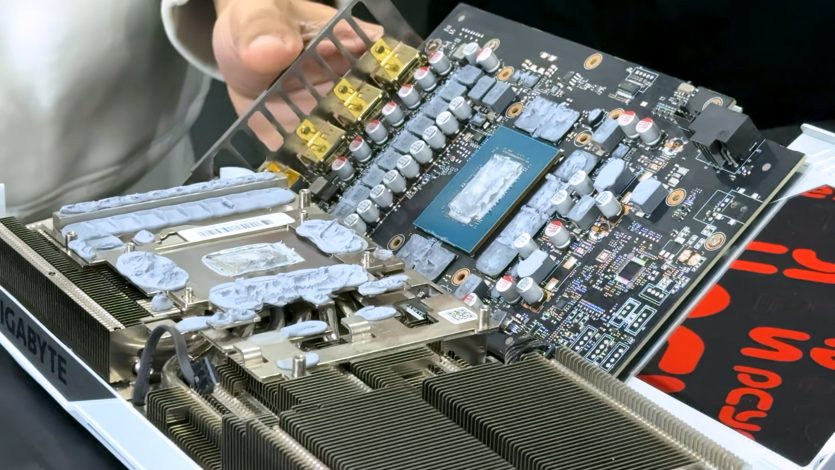
- Hotspot Sensor Unlocked on RTX 50 GPUs: What’s Really Causing Overheating Issues