Ukraine's Parliament Halts Mandatory SIM Card Registration Over Economic Concerns.

SIM Card Registration in Ukraine: A Postponed Initiative
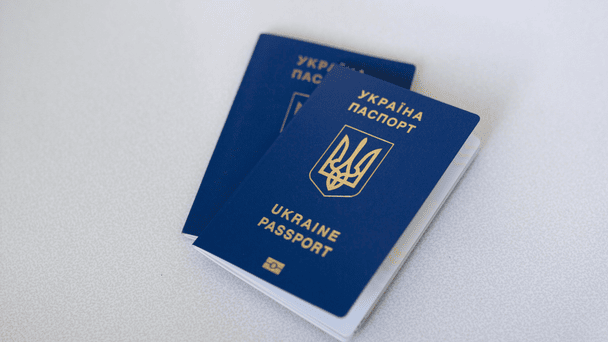
According to TSN.ua: The Ukrainian parliament, the Verkhovna Rada, has acknowledged that implementing mandatory identification for SIM card users is currently unfeasible. Consequently, the plan to register SIM cards with passports in Ukraine has been shelved. According to MP Oleksandr Fedienko, the primary obstacle is economic, driven by the fact that the vast majority of users opt for prepaid SIM cards. This decision reflects the significant challenges governments face when balancing security measures with market realities.
The Economic Stakes of the Ukrainian SIM Card Market
As of the first half of 2025, there were approximately 47.9 million active SIM cards in Ukraine. The average revenue per user (ARPU) in 2025 is about 135 hryvnias per month. Overall, the market's monthly revenue exceeds 6.4 billion hryvnias, which translates to nearly 78 billion hryvnias annually. A mere 10% reduction in active SIM cards could lead to a loss of roughly 7.8 billion hryvnias in yearly revenue for operators.
Given these figures, implementing an electronic SIM registration system could take about a year, while full subscriber identification might extend to two years. Oleksandr Fedienko emphasized the market's nature, stating:
“A SIM card is a product that sells in high volume and quickly.” - Oleksandr Fedienko
This highlights the market's importance and the regulatory challenges involved.
The absence of mandatory SIM card registration in Ukraine could impact security and the oversight of mobile service usage, as anonymity may facilitate misuse. However, economic realities, particularly the substantial revenue from prepaid card sales, are compelling lawmakers to seek a balance between security and commercial interests. Future developments will be crucial to observe, as these competing factors will likely shape the market's evolution and potential legislative changes.
Read also
- What Property Owners in Ukraine Will Pay in 2026: A Guide to Real Estate Taxes
- Loan Interest Waived for Ukrainian Soldiers and Their Families: How to Qualify
- PrivatBank Imposes Strict Transfer Limits: What You Can Send and Receive
- Ukrainian Wheat Prices Plummet: How Much Does a Ton Cost Now?
- Europe’s Energy Market Sees Ukraine Shift Roles: New Assets and Emerging Challenges
- Woman Accused of Smuggling Aircraft Parts to Evade Sanctions—What It Means for Russian Aviation Safety