U.S. Supreme Court Weighs Trump’s Order Stripping Citizenship from Migrant Children.

The Case of Trump v. Barbara
According to Vox - Загальний: The United States is currently examining Trump v. Barbara, a legal challenge to Donald Trump’s executive order seeking to revoke citizenship for children born to undocumented parents. The nation’s highest court has heard oral arguments in this matter, following earlier decisions by lower courts that halted the order’s implementation. Trump issued the directive on his first day back in office, but it never took effect due to judicial blocks.
Constitutional Questions at Stake
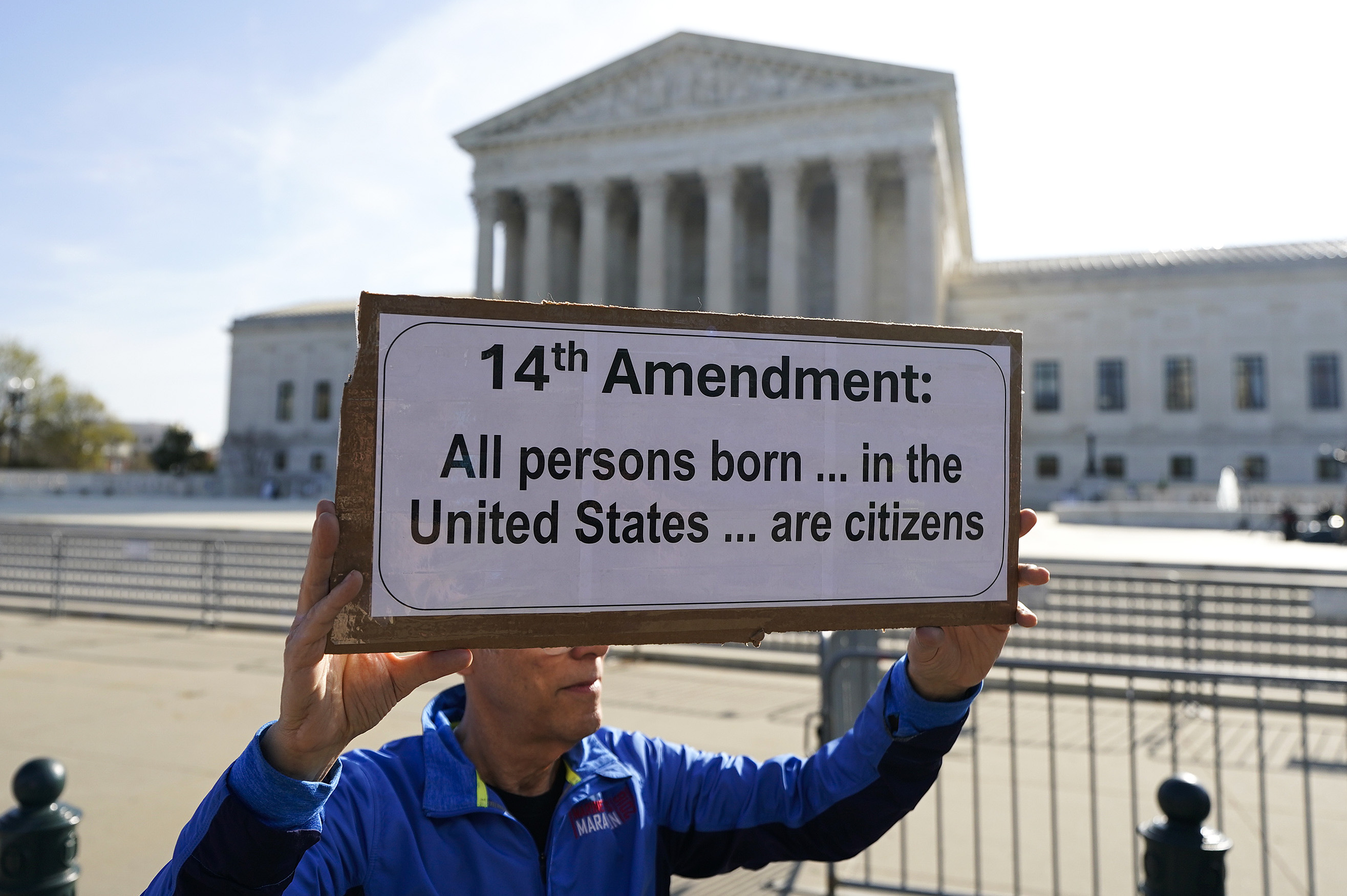
The Fourteenth Amendment to the U.S. Constitution guarantees citizenship to all individuals born on American soil, with only one specific exception. The 1898 case of United States v. Wong Kim Ark has been cited as precedent in opposing Trump’s order. A Reagan-appointed judge stopped the directive just three days after its release, emphasizing the need to protect constitutional rights.
Chief Justice John Roberts remarked: 'It’s a new world; it’s the same Constitution.'
This highlights the potentially profound implications for the nation’s legal landscape. Justice Neil Gorsuch expressed skepticism about relying on the Wong Kim Ark precedent, stating: 'I’m not sure how much you want to lean on Wong Kim Ark.' The debate surrounding Trump v. Barbara continues to spotlight critical issues regarding citizenship and human rights in the United States.
Key figures involved in this case include:
- Donald Trump
- Justice Samuel Alito
- Justice Clarence Thomas
- Justice Brett Kavanaugh
- Justice Amy Coney Barrett
Cases referenced in the proceedings include Trump v. Barbara and United States v. Wong Kim Ark. Monitoring the progress of this case is crucial for understanding shifts in U.S. legal doctrine and its impact on the future of civil rights.
The ongoing consideration of Trump v. Barbara continues to underscore the complexity of citizenship questions in the United States, particularly within the context of immigration policy. The outcome could carry far-reaching consequences for millions of individuals potentially at risk of losing their rights. Given the diverse viewpoints and arguments among the justices, this case remains a focal point of public attention and debate.
Read also
- Trump Approves Nuclear Deal with Saudi Arabia, Allowing Enrichment Without IAEA Oversight
- Pentagon Requests $67 Billion More as US War Costs Against Iran Hit $37.5 Billion
- Iran Faces Infrastructure Bombing Under New US Strategy Announced by Trump for Strait of Hormuz Attacks
- Ukraine’s Air Defense Gets a Boost: New Interceptor Missiles for Patriot Systems Discussed with NATO
- Putin Abandons Plans to Return Occupied Lands to Ukraine: What We Know About the So-Called 'Buffer Zones'
- Trump Endorses FIFA's Ban on Balogun and Backs New UN Secretary-General Pick