How to Prevent and Respond to a Dangerous Tire Blowout on the Highway.

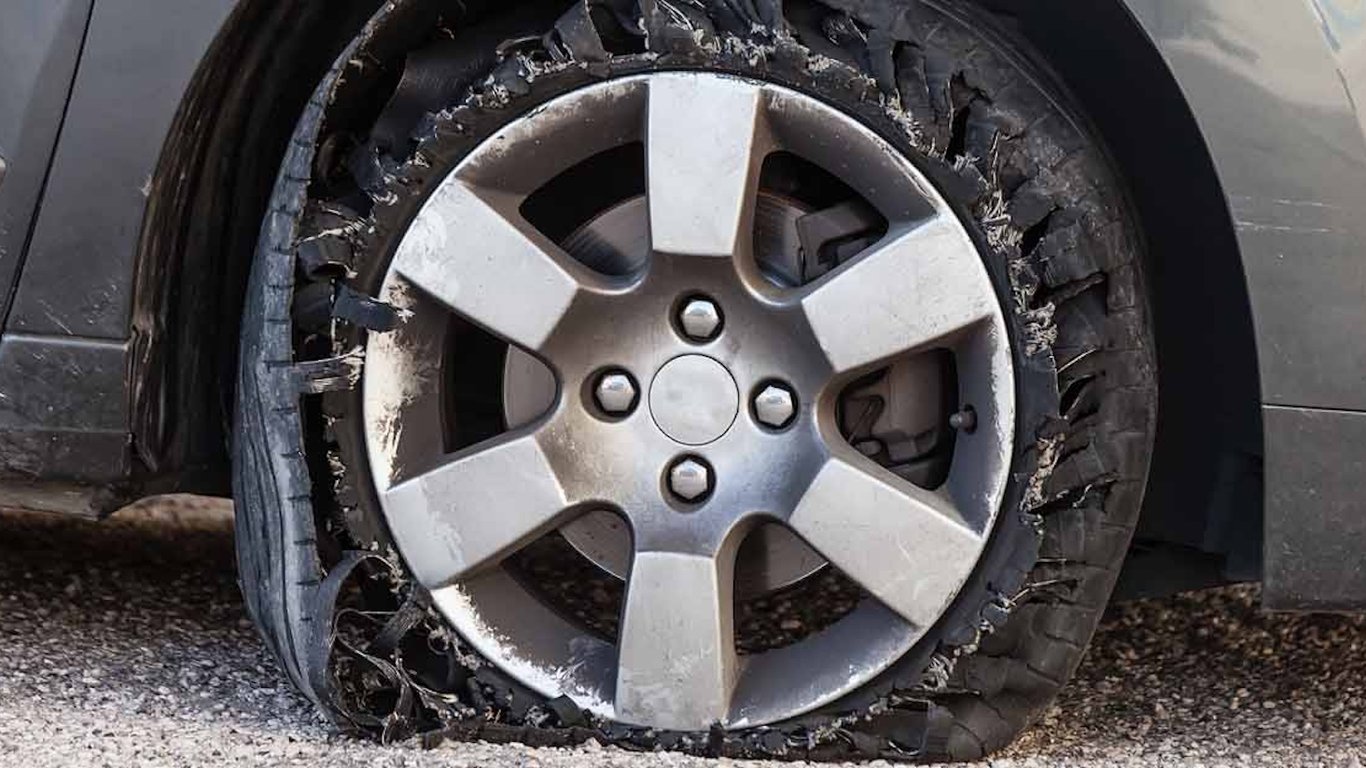
The Dangers of Tire Damage and How to Prevent It
According to Novyny.live: A damaged tire can lead to catastrophic failure, including a sudden blowout. The primary risk factor is overheating of the tire material, a danger that increases during long journeys or under heavy use. Driving at speeds over 100 km/h, frequent hard braking, and especially driving with underinflated tires all significantly raise the odds of a tire-related incident.
Key Risk Factors and Preventive Measures
One of the most common risk factors is failing to maintain proper tire pressure. To prevent accidents and ensure safe driving conditions, it is recommended to check your tire pressure before any trip longer than 50 km. Neglecting this simple step can have serious consequences, as tire failures can occur suddenly and without obvious warning.
Knowing how to react when a tire problem arises is equally critical. If a driver detects signs of damage or incorrect pressure, they must take immediate action to prevent an accident. Regular monitoring of tire condition and adhering to maintenance guidelines can substantially reduce the risks associated with tire damage.
Preventing a blowout involves more than just checking pressure; it also requires timely replacement of worn tires and avoiding vehicle overload. Drivers must be attentive to all these factors and follow expert advice to ensure safety for themselves and others on the road.
Tire failures pose a serious threat not only to the driver but to all road users. Understanding the risks involved in tire operation and following basic safety rules can dramatically lower the chance of a crash. With roads becoming busier, it is more important than ever for drivers to be aware of their vehicle's condition and take necessary steps to ensure highway safety.
Read also
- Civilian Casualties and Infrastructure Damage Reported After Russian Strikes on Odesa, Zaporizhzhia, and Dnipro Regions
- Massive Attack on Kyiv and Its Region Claims 26 Lives; Air Defense Fails to Intercept Any Ballistic Missiles
- Rescue Operations Underway After Strike on Vyshneve: 8 Killed, Nearly 100 Injured
- One Dead, 21 Wounded After Russian Airstrike Hits Kharkiv on July 7
- 18 Injured, Including Police Officers, in Damascus Explosions During Macron's Visit
- Kyiv Rescue Operations Conclude After Strike: 19 Dead, Including One Child