Expert Analysis: Russia's War Plans, Frontline Tactics, and Resources for 2026.

The War in Ukraine and Russia: Prospects for 2026
According to TSN.ua: Military expert Ihor Romanenko assesses the trajectory of the Russia-Ukraine war into 2026, examining Russian resource mobilization, battlefield tactics, Vladimir Putin's objectives, and evolving aerial assault methods. As the conflict continues, some analysts predict it could extend until 2026. Russian forces have sustained a minimum of 30,000 casualties, a figure that highlights significant strain on their manpower and strategic planning.
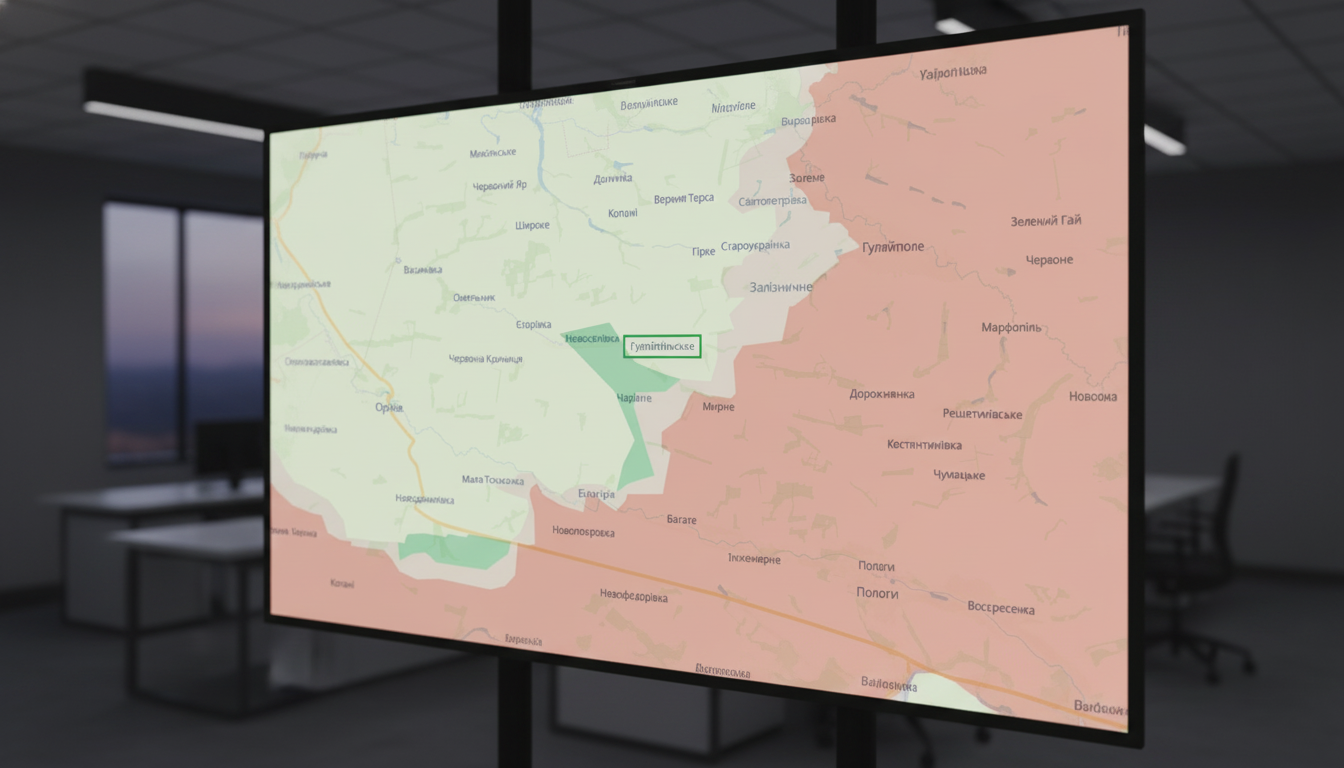
Romanenko notes a deterioration in Russia's reserve capabilities. Initial plans to form 14 new divisions were scaled back to just 7, directly impacting their operational capacity. In recent territorial gains, Russian troops seized 30 square kilometers of Ukrainian land last week and approximately 75 square kilometers two weeks prior. This indicates that, despite heavy losses, Russian forces persist in attempts to advance and consolidate their positions.
Shifting Tactics and Mobilization Needs
Ukrainian tactics are also evolving, with Romanenko citing the increased use of encirclement strategies by Ukrainian forces. Looking ahead to 2026, the expert argues that Ukraine must significantly improve its own mobilization efforts, which will be critical for sustaining future military campaigns. Putin is unlikely to halt the war, viewing it as an existential struggle for Russia, a stance that underscores the immense pressure on Ukraine's Armed Forces.
Romanenko emphasizes: 'Despite substantial losses and difficulties, Russia continues its active efforts to strengthen its positions, signaling a strategy aimed at prolonging the conflict.'
Furthermore, Romanenko points to changes in Russian bombardment tactics, including the deployment of laser technology to target drones. Russia is also confronting a technical crisis that may hinder its ability to produce missiles at necessary volumes. Currently, Putin is hoping for improved frontline conditions, but achieving this remains a formidable challenge for the Russian military.
The war remains intense, with the possibility of it continuing until 2029 still an open question. The coming years will be decisive for both sides, and the outcome will significantly impact stability across Europe. The conflict has already reshaped global security alliances and energy markets.
Romanenko's analysis concludes that Ukraine must continue to adapt its tactics and enhance its mobilization capabilities to mount an effective defense. Amid constant frontline shifts, the importance of strategic decisions and resource allocation for both militaries is paramount for determining the future course of the war.
Read also
- Ukraine's Military Dismisses Russian Claim of Capturing Huliaipole Area: Kyiv Still Holds Ground
- US House Approves Over $1 Billion in Security Aid for Ukraine and New Sanctions on Russia
- U.S. Role in Zelenskyy’s Letter to Putin: Analyst Weighs In on Diplomatic Channels
- U.S. Slaps Sanctions on Cuba’s President and His Family: Key Details
- NATO and Ukraine Launch UNITE — Brave NATO: Key Battlefield Gains Ahead of Ramstein Meeting
- NATO Bolsters Baltic Defenses: Putin Seeks a Swift Victory, but There’s a Catch