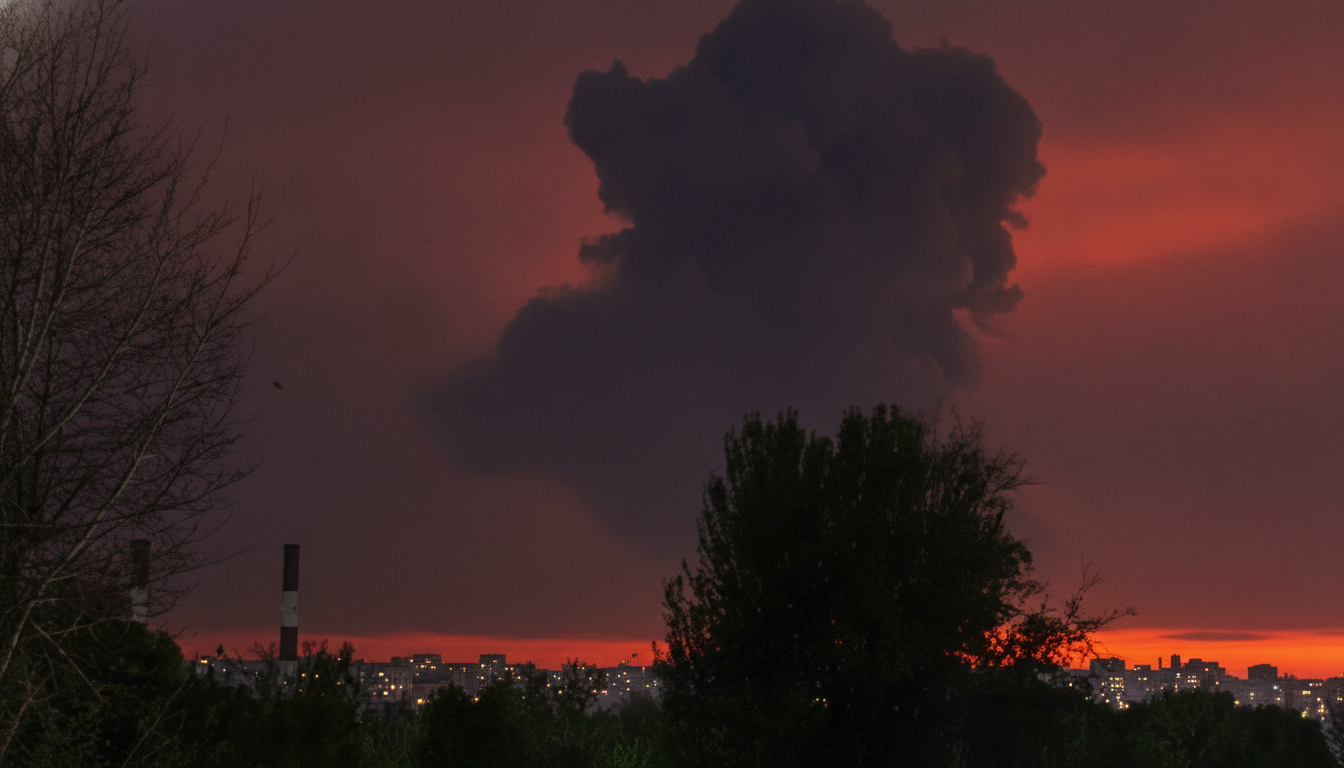
The Boomerang Effect of War: Russia's Belgorod Region Hit by Bombs and Blackouts.

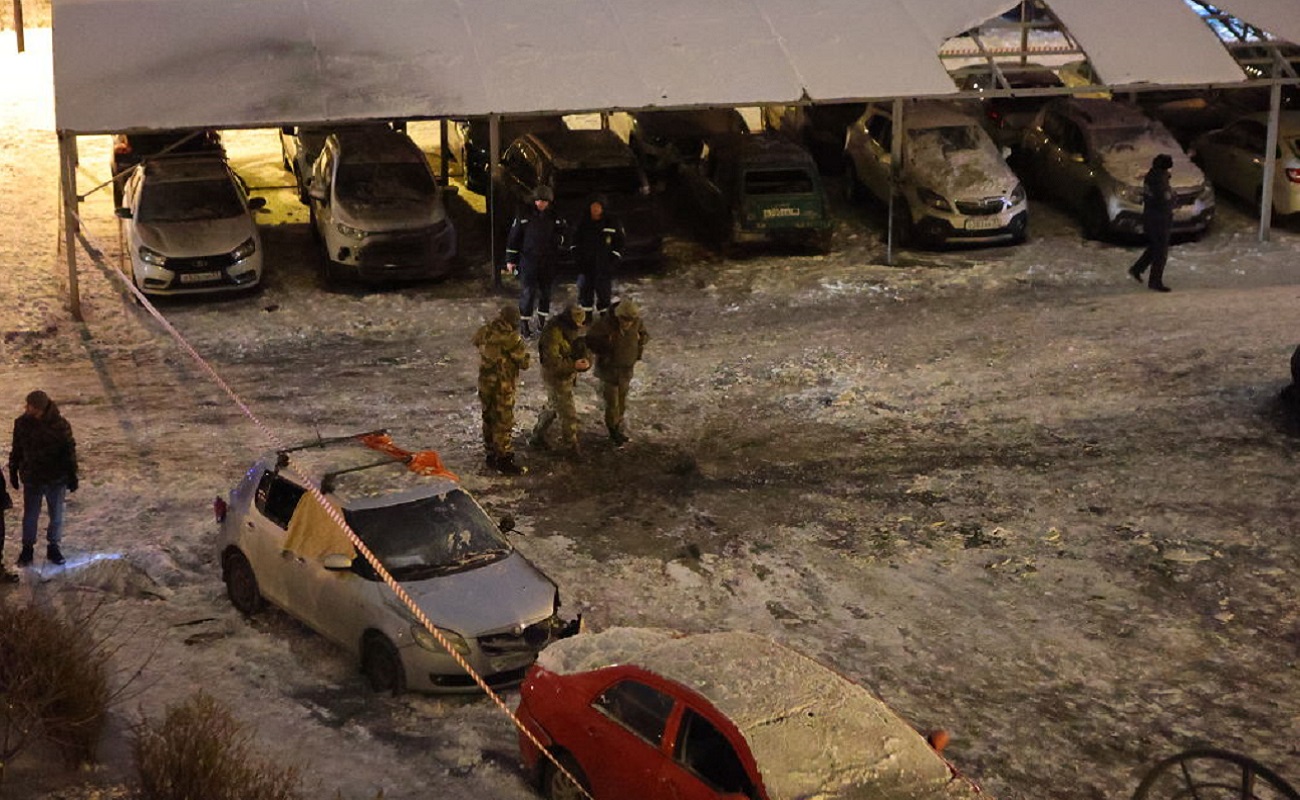
War's Backlash: Bombs and Power Cuts Strike Russia's Belgorod Region
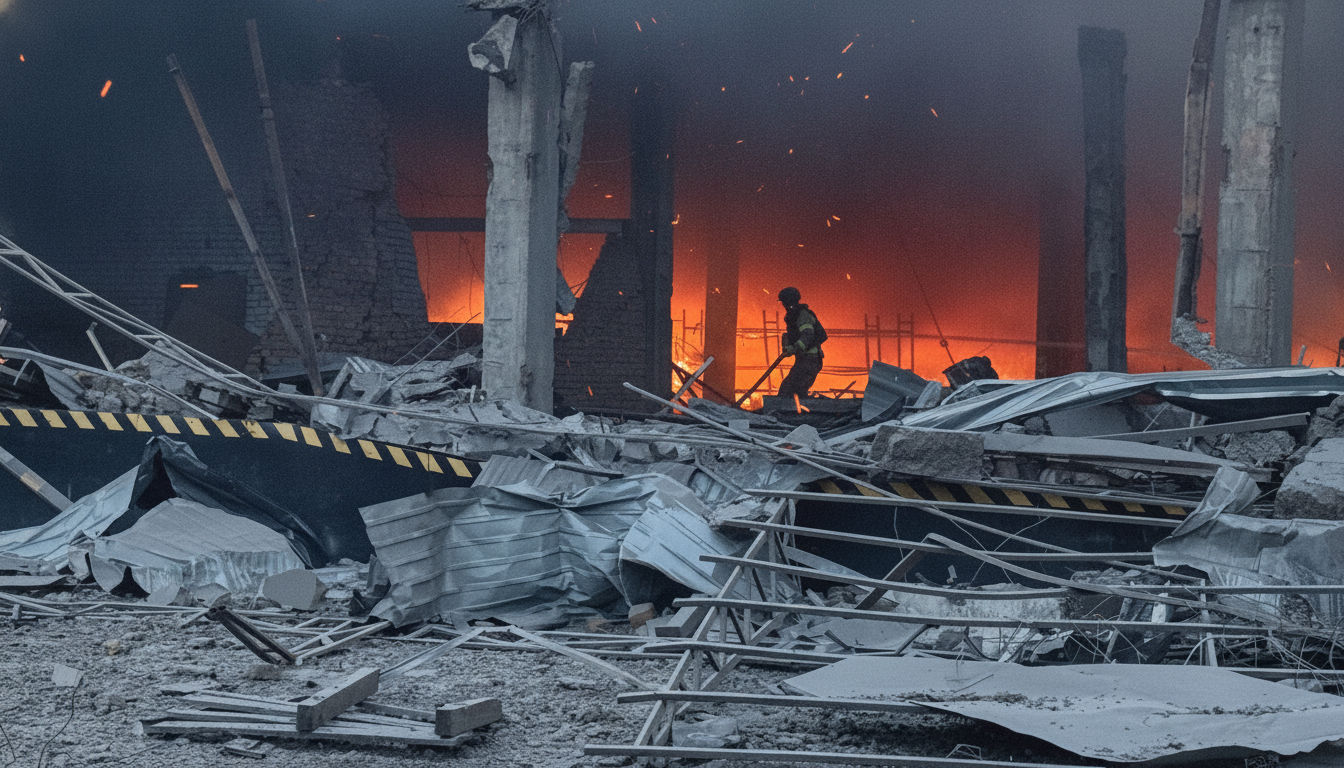
According to UATV: The conflict in Ukraine is increasingly having a blowback effect on Russian territory, with the Belgorod region bearing significant consequences from ordnance-related incidents. On January 5, 2025, a Russian bomber accidentally dropped a 500-kilogram FAB-500 bomb within Belgorod Oblast, one of many such events. Just weeks later, on January 21, an ammunition drop created a crater on a central street in Belgorod city, forcing the evacuation of nearly 2,000 residents. These are not isolated cases; a total of 143 incidents of munitions falling outside their intended targets were recorded in Russia in 2025, highlighting severe systemic safety failures within its military operations.
Energy Crisis and Social Fallout
Compounding the danger, the region faces a severe energy crisis. Since January 8, 2025, some 600,000 residents of Belgorod Oblast have been left without electricity, heating, and running water, a situation stemming from both combat damage and broader national infrastructure strain. The precarious security environment was further underscored when a Russian air defense missile crashed in the settlement of Novaya Adygeya, destroying 25 apartments and injuring several people. This region, bordering Ukraine, has become a frontline for the war's unintended domestic consequences.
Analysts note these events are part of a broader picture revealing the war's cost to Russia itself. According to the Institute for the Study of War, total Russian combat losses in Ukraine have exceeded 1,232,000 personnel. Furthermore, in 2025, Russia managed to form only four new divisions out of a planned 17, indicating significant difficulties in military mobilization.
Vyacheslav Gladkov, the regional governor, described the situation as catastrophic.
The challenges are exacerbated by incidents like a fire at a key fuel supply base in Penza, which supports the Russian army, straining logistics further.
Since the start of 2026, Russia has been grappling with a budget crisis, marked by widespread salary delays for public sector workers. These economic troubles point to the war's far-reaching domestic repercussions. Ukrainian President Volodymyr Zelenskyy has emphasized that while Russian mobilization continues, their military losses mount monthly. As noted by Andriy Sydelnykov, entering the fourth year of the war, hundreds of thousands of Ukrainian citizens also remain without heat, water, and power, reflecting the vast humanitarian crisis the conflict has triggered on both sides of the border.
The situation in Belgorod and across Russia demonstrates that the war's consequences extend far beyond the battlefield, severely impacting civilian life. Mounting economic hardship and security failures risk triggering social unrest, which could in turn threaten the country's political stability. Faced with these growing socio-economic problems fueled by the war, it is unclear how long Russia can endure such strains without significant political or policy changes.
Read also
- Peace Appeal From Kazakh Leader During Putin Meeting
- Over 1,000 Drone Strikes Carried Out as Zelenskyy Announces Completion of Long-Range Strike Plan
- Zelensky and Top Military Command Outline Response Plan to Russian Strikes
- EU Adopts 21st Sanctions Package Against Russia: What the New Restrictions Target
- Deadly Strikes Hit Kyiv Region and Sloviansk: 11 Killed, Dozens Wounded
- Ukrainian Forces Strike Kirov’s Avitek Plant: Key Military Components Under Sanctions