Conflict in the Middle East Puts EU Economy at Risk—Ukrainian Fuel Prices Could Hit 100 Hryvnias.

European Union Facing Economic Turmoil
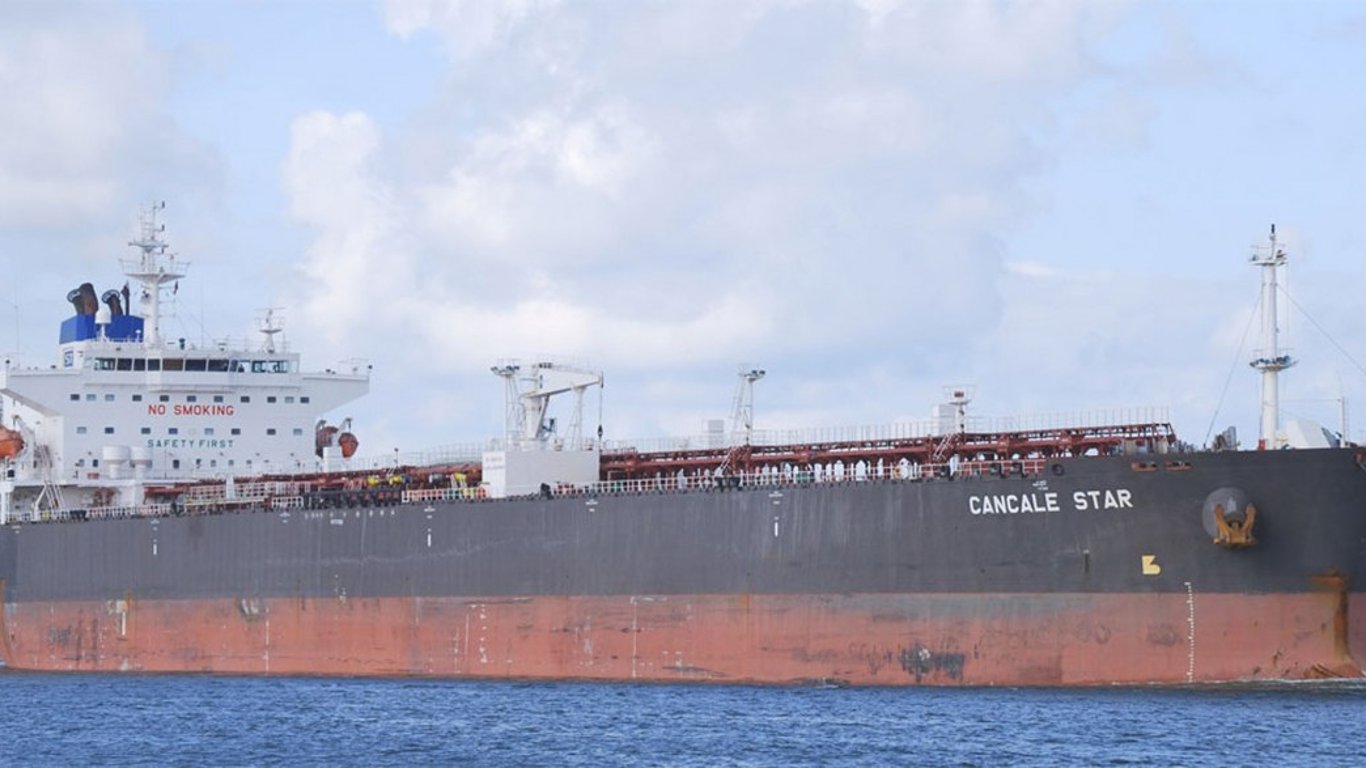
According to Novyny.live: A potential three-month blockade of the Strait of Hormuz threatens to deepen the economic crisis within the European Union, sending shockwaves through global markets and oil prices. Every day, 20 million barrels of oil pass through this strategic waterway, and any disruption could trigger major shifts in worldwide supply and demand.
Oil costs have already begun climbing amid ongoing hostilities. According to economic expert Oleksiy Kushch,
“if the war continues, the price of oil on global markets will keep rising”. This poses a serious threat not only to exporting nations but also to importers like EU member states, which rely heavily on steady flows of oil and gas.
Impact on Ukraine and the Global Economy
So far, the United Arab Emirates has suffered the heaviest losses from the conflict, with damages estimated at $1 billion due to a collapse in tourism and airport closures. Meanwhile, the United States is spending roughly $850 million per day on its war with Iran, further straining the global economic landscape.
Ukraine may also see worsening fuel prices, with forecasts suggesting costs could jump to 100 hryvnias per liter as global oil rates climb. Kushch warns:
“The real trap for the West is that Europe is critically dependent not only on 'black gold' but also on Qatari liquefied gas”. These factors could fuel ongoing economic instability across Europe and Ukraine.
Heightened tensions in the Strait of Hormuz could severely undermine the energy security of European Union countries, which are already grappling with challenges tied to imported energy resources. If military actions persist and oil prices continue to rise, the region’s economic strain may intensify, driving up consumer costs and eroding living standards. Ultimately, developments in this vital maritime corridor could produce far-reaching consequences for the global economy—including Ukraine’s fuel market.
Read also
- Russia Sets Record in Gold Sell-Off: What It Signals for the Economy
- Putin’s Economic Claims Exposed as Manipulation by Ukraine’s Disinformation Center
- Rheinmetall to Double Gunpowder Output: What This Means for Ukraine
- Azerbaijan Steps Up as Europe's Energy Alternative: Gas Deliveries to Germany Already Underway
- IMF Demands Utility Rate Hikes as Naftogaz Debt Surges 63%
- 12 Red Flags for Shell Companies Identified by Ukraine's Central Bank: Banks Ordered to Scrutinize Importers