







Labor Shortage in Ukraine: Which Industries Have Been Most Affected.

Labor Shortage in Ukraine: Which Industries Have Been Most Affected

According to ТСН: Ukraine's economy is facing significant pressure due to the sharp decline in the workforce, negatively impacting both the defense sector and civilian areas.

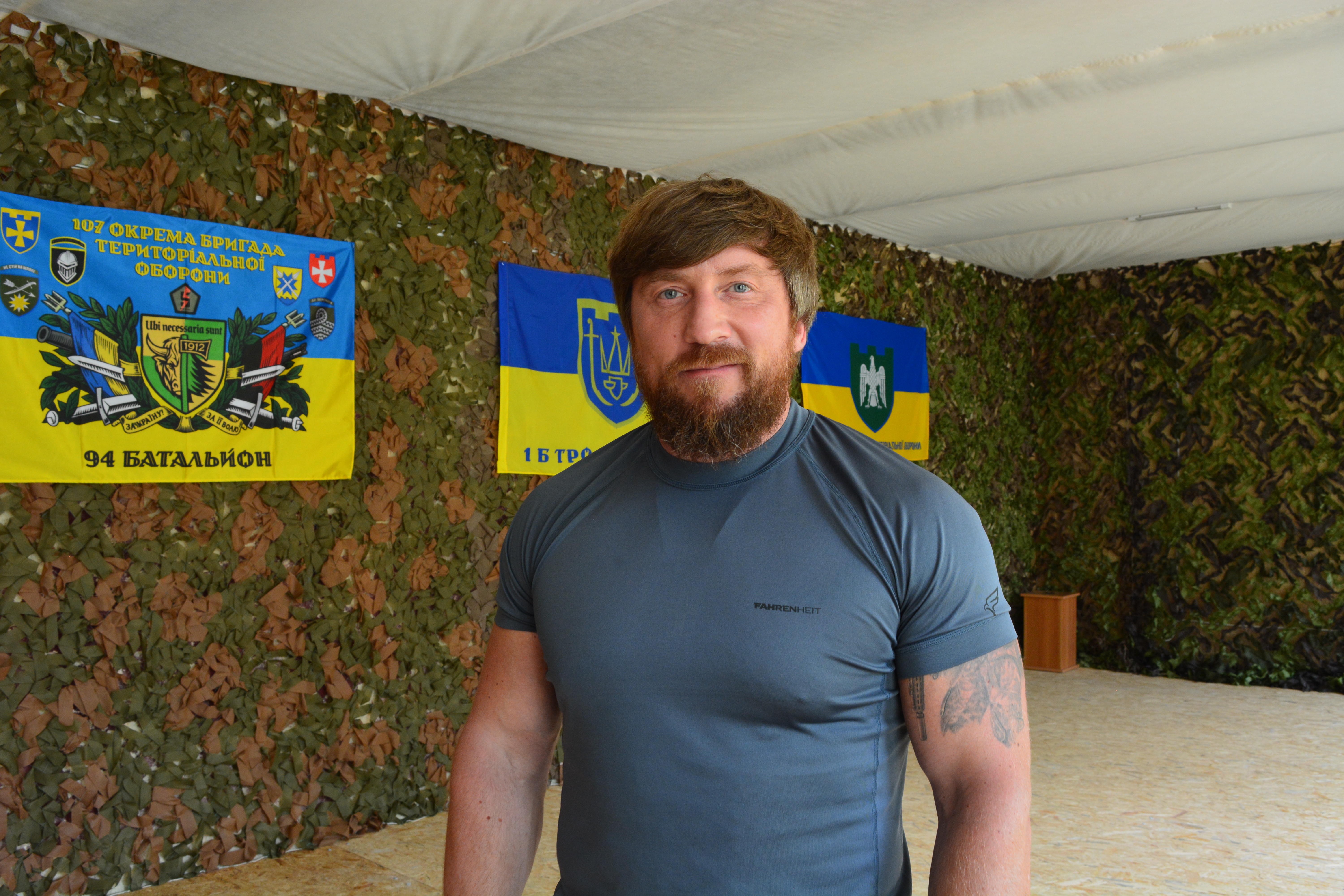
Mobilization, population flight, and draft evasion have led to a shortage of workers in the country. In many cities, there are virtually no men of conscription age left.

Impact on Different Sectors

Economist Oleg Pendzin notes:

“The shortage of people with technical skills and education is catastrophic.”
According to the State Employment Center, the greatest shortage of personnel is observed in the education, transport, metalworking, furniture manufacturing, and energy sectors.

Political analyst Kostiantyn Batozhskyi emphasizes that businesses are facing constant uncertainty:

“Your employee can be mobilized at any moment, and that’s a problem.”

Situation in the Regions

In the town of Makiv in Khmelnytskyi region, there are very few men of conscription age: some are mobilized, some have gone abroad, and those who remain avoid publicity. Local resident Kateryna says:

“The guys who work on computers can sit in their apartments. But workers… go out to earn for their families — and they are driven like cattle.”

She also notes that due to the lack of men, women have to learn new skills:

“There is no one to dig a grave for the deceased.”

The shortage of personnel is also worrying the agricultural sector. Oleg Khomenko, director of the Ukrainian Club of Agrarian Business reported:

“Due to increased mobilization, tractor drivers and operators have switched to military professions. We have a shortage of up to 15%.”

Emigration and Involving Foreign Workers

According to the International Labour Organization, about 1.6 million Ukrainians of working age are currently outside the country, mostly women.

Oleg Pendzin explains:

“If we manage to bring back at least 40% — it will be a great help to the economy.”

17-year-old Danilo, who lives in Germany, notes:

“If I go back to my city — I will have to start from scratch. I literally have nothing there.”

In Ukraine, Unity Hubs are being developed to help Ukrainians integrate and facilitate voluntary return when possible.

Some companies have started hiring workers from other countries. For example, the furniture factory Lamella in Tiachiv invited workers from Bangladesh.

Commercial director of the company Yaroslav Shcherban explains:

“We have many women — about 60% — working on small machines, but there are positions where male strength is needed.”

Former Minister of Economy Tymofiy Milovanov believes that Ukraine may need up to 10 million migrants for active economic growth. At the same time, Kostiantyn Batozhskyi notes that it is currently premature to make predictions:

“First, we need to survive the war, and then assess the needs.”

Oleg Pendzin emphasizes that the key factor in solving the problem is the end of hostilities:

“The first thing needed to alleviate the labor shortage is to end the war. Then everything will stabilize over time.”

Amidst the war, Ukraine faces significant challenges in the employment sector. The exodus of the working-age population and mobilization not only complicate the situation but also put many sectors of the economy at risk. However, efforts are actively underway in the country to seek solutions, such as involving foreign workers to compensate for the shortage of personnel, and working towards restoring conditions for the return of Ukrainians home in the future.


Read also

Advertising