Russia's Civilian Economy Suffers as War Consumes 40% of Federal Budget.

The Economic Toll of Russia's War in Ukraine
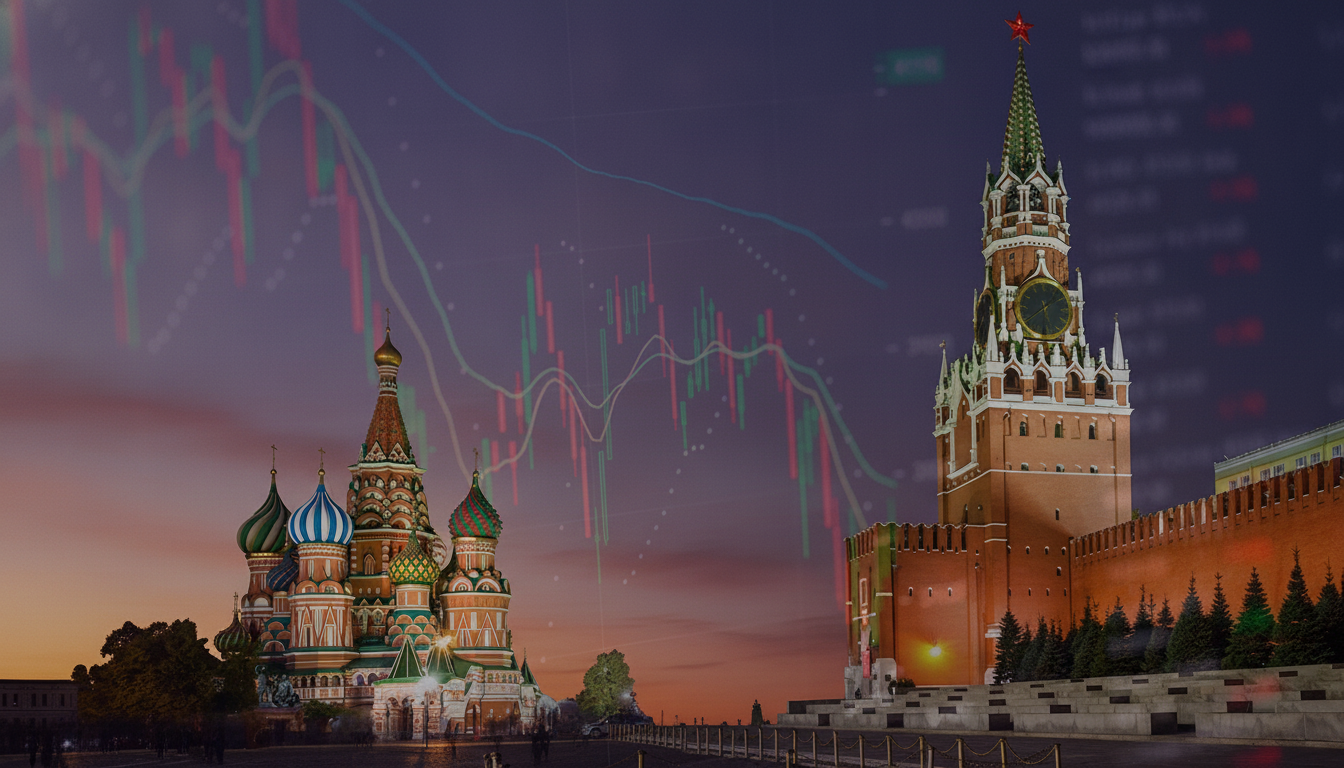
According to UATV: Russia's invasion of Ukraine is inflicting severe economic damage across multiple sectors. With approximately 40% of the federal budget now allocated to military funding, resources for developing the civilian economy have been drastically curtailed. The Russian economy has been in a state of stagnation since 2024, further compounding these difficulties. This massive reallocation of funds represents a historic shift in national priorities away from domestic needs.
The civilian locomotive production line at Uralvagonzavod was halted in 2022 due to a lack of funds from Russian Railways. Furthermore, the coal industry is currently experiencing a deep depression. Despite Russia's coal exports, demand from key markets like China and India remains low. The dire financial state of Russian Railways is reflected in its debt-servicing capabilities, with liabilities reaching 4 trillion rubles by the end of 2022.
Future Plans and Mounting Challenges
Plans are in place to replace imported parts for the Sukhoi Superjet aircraft in 2024, 2025, and 2028. However, the high key interest rates set by the Russian Central Bank are driving up the cost of loans. This makes it exceedingly difficult to invest in new technologies and industrial development. The economy is projected to face a sharp acceleration of inflation in 2026, following significant economic losses already incurred in 2025.
These economic challenges, according to expert Maxim Blant, demonstrate that the war's impact is felt most acutely in civilian industries.
“The war hits civilian sectors the hardest,” notes expert Maxim Blant.
The coal industry, he states, is in a 'deep depression for a number of reasons,' caused in part by a lack of demand and resources. “To rescue the coal miners last year, they twisted the arms of the railways,” he adds, highlighting that the situation became so critical that a decision was made to support the coal industry at the expense of the railways.
Moreover, the war is negatively affecting the incomes of the population. Blant points out that “the war hits the incomes not only of the low-income groups but also of the middle class.” This has led to increased discussions within the government and the Russian Union of Industrialists and Entrepreneurs about potential measures to support the economy.
The economic situation remains tense. If the Russian Central Bank yields to pressure, it could lead to an uncontrolled devaluation of the ruble and hyperinflation. Amidst this uncertainty and stagnation, Russia's economy requires urgent decisions to help stabilize the situation and restore the development of its civilian sectors.
As the conflict and economic hardships continue, Russian authorities face the necessity of reallocating resources to support critical parts of the economy. This may include both financial aid for businesses and a revision of budgetary spending priorities to mitigate the socio-economic consequences for the population. The future course of events will depend on a complex mix of internal and external factors, such as labor market pressures, shifting export conditions, and the ongoing impact of international sanctions.
Read also
- Russia Sets Record in Gold Sell-Off: What It Signals for the Economy
- Putin’s Economic Claims Exposed as Manipulation by Ukraine’s Disinformation Center
- Rheinmetall to Double Gunpowder Output: What This Means for Ukraine
- Azerbaijan Steps Up as Europe's Energy Alternative: Gas Deliveries to Germany Already Underway
- IMF Demands Utility Rate Hikes as Naftogaz Debt Surges 63%
- 12 Red Flags for Shell Companies Identified by Ukraine's Central Bank: Banks Ordered to Scrutinize Importers