When Can Landlords Evict Tenants During Wartime? A Guide to Ukrainian Court Rulings.


Navigating Tenant Evictions in Ukraine During the War
According to Novyny.live: The legal framework for evicting tenants in Ukraine has become particularly complex since the full-scale invasion began. This article outlines the obligations of tenants and the legal steps landlords can take to terminate a lease agreement.
Tenants are legally required to pay rent on time. It is crucial to note that the absence of a written lease agreement strips the landlord of any legal grounds to demand payment. Without a formal contract, a landlord cannot legally seek compensation from a tenant for occupying the property.
If a tenant fails to pay rent for more than six months, a landlord has the right to seek termination of the agreement through the courts. However, before filing a lawsuit, the landlord must first formally demand that the tenant rectify the violation. This step is essential as it demonstrates the landlord's willingness to resolve the issue without litigation.
Should the tenant ignore this formal demand, the landlord may then file a lawsuit to recover the debt, terminate the lease, and seek eviction. A well-drafted lease agreement is a key tool for protecting a landlord's rights, as it must clearly outline the tenant's obligations and the exact rent due.
Recovering Debt and Terminating the Lease
In the context of eviction, recovering unpaid rent and utility debts is a critical concern. Landlords are entitled to compensation for a tenant's failure to meet financial obligations, which includes both rent and unpaid utility bills that can otherwise become a significant burden.
The process of terminating a lease is another vital consideration. If a landlord decides to end the agreement, they must follow established legal procedures. This involves not only filing a lawsuit but also adhering to all legal norms to avoid potential legal repercussions.
Evicting a tenant without providing alternative housing is a particularly complicated issue that requires careful legal handling. Landlords must understand that an eviction is only justified when carried out in strict compliance with the law and after completing all required steps.
In summary, the legal aspects of tenant eviction in Ukraine during wartime are multifaceted and demand a careful, informed approach from landlords.
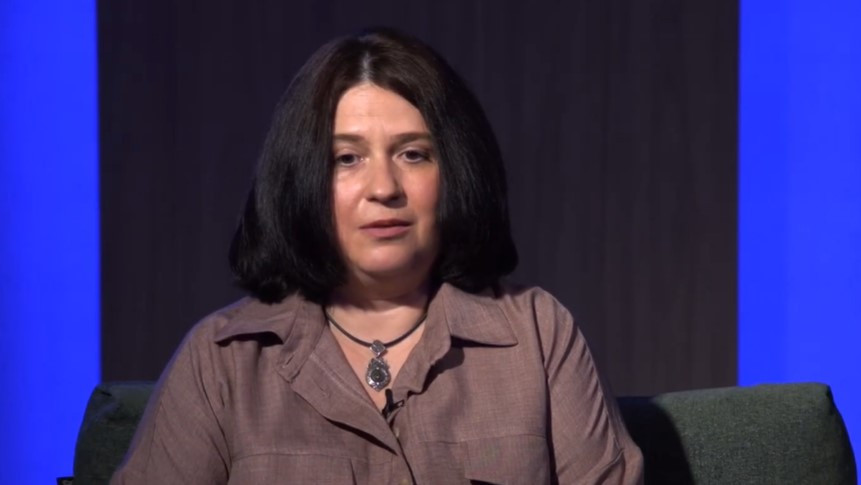
Expert Iryna Stepanenko
The legal landscape for evictions in Ukraine has been further complicated by wartime legislative changes and the socio-economic crisis. For context, many courts are prioritizing cases related to the war effort, which can cause delays. Landlords must pay close attention to legal requirements and procedures to avoid protracted legal conflicts. In an environment lacking stability, timely action and strict adherence to legal norms are essential for protecting landlord rights and maintaining the rule of law.
Read also
- Kyiv Electric Train Prices Increase from July 22: Fare Will Rise to 37 Hryvnias
- Russia Fines Residents for Storing Gasoline in Garages Amid Fuel Shortages
- Why Internally Displaced People in Ukraine Can't Get Mortgages: A Key Obstacle Identified
- Attacks on Ukrainians Surge in Poland: Hate Crime Numbers Jump 30%
- Civilian Casualties in Ukraine Hit Record Highs, UN Reports: A Closer Look at the Shift
- Fare rates for transportation in Kyiv have tripled: how the war is changing the transportation reality