Who Bears Responsibility for the Volyn Massacre and Can Ukraine and Poland Achieve Reconciliation?.

The Volyn Massacre: A Painful Chapter in Shared History
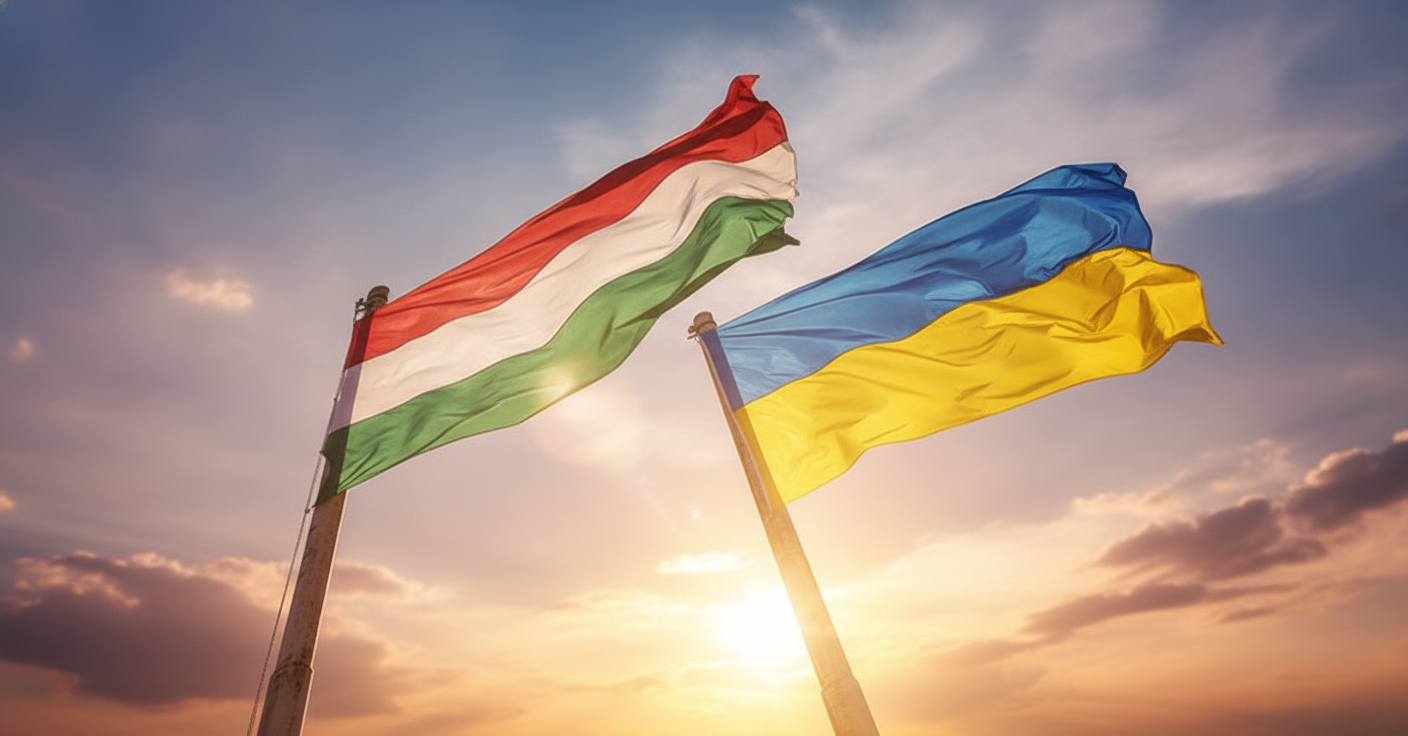
According to Espreso.tv: During World War II, the Volyn Massacre unfolded as one of the most painful and complex episodes in the history of both Ukraine and Poland. This tragedy continues to fuel heated debates over the responsibility of various actors, including Nazi Germany, Stalin's Soviet Union, as well as Ukrainian and Polish groups. The deep scars left on the relationship between these two nations demand careful analysis and a sincere path toward reconciliation.
Steps Toward Healing
A pivotal moment in the reconciliation process came on November 18, 1965, when Polish bishops sent a letter to their German counterparts. The letter was initiated and primarily authored by Archbishop Bolesław Kominek, with contributions from Karol Wojtyła, who would later become Pope John Paul II. This message marked an important step in seeking mutual understanding between the peoples.
On July 10, 2003, marking the 60th anniversary of the Volyn Massacre, Ukraine's Verkhovna Rada and Poland's Sejm adopted a joint declaration calling for reconciliation. The very next day, July 11, 2003, Presidents Leonid Kuchma and Aleksander Kwaśniewski unveiled a monument to Ukrainian-Polish reconciliation in the village of Pavlivka. This memorial stands as a symbol of both nations' desire for mutual understanding and forgiveness.
Further moves toward reconciliation took place on May 13, 2006, when Presidents Viktor Yushchenko and Lech Kaczyński honored the memory of Ukrainian residents of the village of Pavlokoma. These events underscore the importance of remembering the tragedy and demonstrate the readiness of both peoples to engage in dialogue. More recently, on July 8, 2016, President Petro Poroshenko laid flowers at the monument to the victims of the Volyn Massacre during a visit to Warsaw, signaling the continuation of the reconciliation process.
“We forgive and ask for forgiveness” — Pope John Paul II
These words from Pope John Paul II have become a powerful symbol of hope, suggesting that despite the tragic events of the past, understanding and peace between Ukraine and Poland are achievable. The Volyn Massacre remains a subject of scholarly debate and public reflection, as only through understanding and acknowledging historical wrongs can a better future be built.
The Volyn Massacre continues to draw significant attention in academic circles and society at large, as it plays a crucial role in shaping national memory in both Ukraine and Poland. Reconciliation between the two nations requires not only the acknowledgment of past mistakes but also active efforts to build a shared future. The creation of monuments and the holding of commemorative events help preserve the memory of the victims while fostering intercultural dialogue, which may prevent similar tragedies from recurring.
Read also
- Poroshenko Demands Urgent Parliamentary Session to Appoint Defense, Foreign Ministers and SBU Chief
- Ukraine’s Parliament Moves to Unite Global Efforts in Safeguarding the Nation’s Cultural Heritage
- How the Kremlin Weaponizes History: Poland's Shifting Memory of Katyn and Volhynia
- Could a New Pope or Aleksander Kwaśniewski Mediate Ukraine-Poland Tensions?
- Why Zelenskyy Was Stripped of the Order of the White Eagle: Investigation Uncovers a Coordinated Campaign Against Ukraine
- Ukraine’s Presidents and Nation-Building: Are Their Contributions Fairly Recognized?