The Secret of the Pits Near Stonehenge Revealed: What Archaeologists Discovered.


According to ТСН: A group of scientists has revealed the mystery of the mysterious pits discovered near Stonehenge — the famous megalithic structure in Britain.
Discovered Pits
These enormous pits are located in a circle with a diameter of more than two kilometers, and there are at least 16 of them. Each pit is up to ten meters wide and five meters deep.
Research on the Pits
In a new study conducted since 2020, experts from various universities participated, including St Andrews, Birmingham, Warwick, Bradford, Glasgow, and the University of Wales Trinity Saint David.
The archaeologists went beyond simple mapping of the pits. Using modern technologies, they confirmed that each of these pits was carefully dug and filled.
“The skill and effort required not only to dig the pits but also to accurately position them in the landscape is truly marvelous,” said Professor Richard Bates from the University of St Andrews, who participated in the project.
He also noted how impressive it is that the pits, scattered over a large distance, form almost a perfect circle.
Age of the Objects
Scientists also determined the age of these objects. The data indicates that the pits date back to the late Neolithic period, thus, they are over 4000 years old.
According to experts, these pits may have served as a kind of boundary that defined a sacred zone associated with Stonehenge.
“These objects were not just dug and abandoned — they were part of a structured, monumental landscape that reflects the complexity and sophistication of Neolithic society,” said Professor Vince Gaffney, the lead archaeologist from the University of Bradford.
Stonehenge, remaining one of the most mysterious structures of antiquity for centuries, finally received new explanations thanks to this research by British scientists. It was able to clarify one of the key questions: how the massive 'bluestone' blocks were transported to the Salisbury Plain in England.
Read also
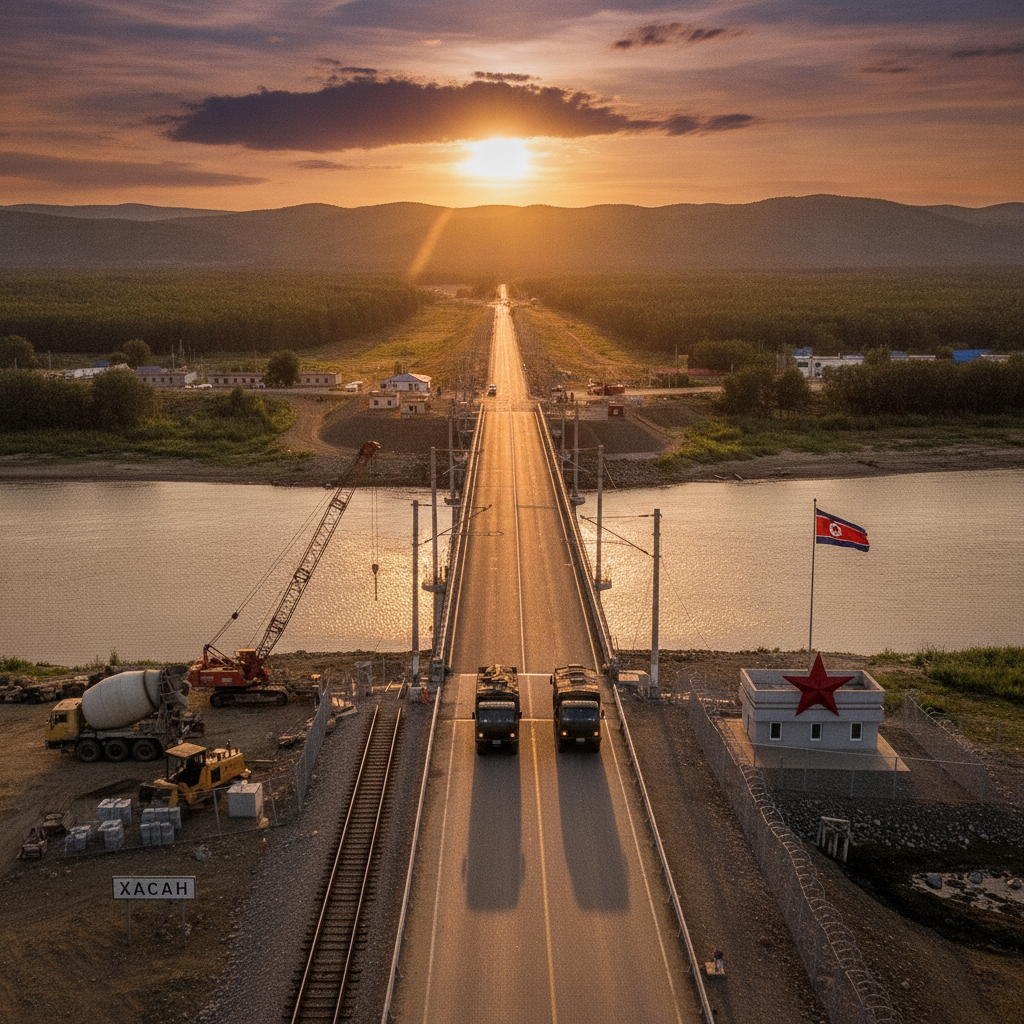
- A bridge linking Russia and North Korea is nearly finished – what that means for Ukraine’s security
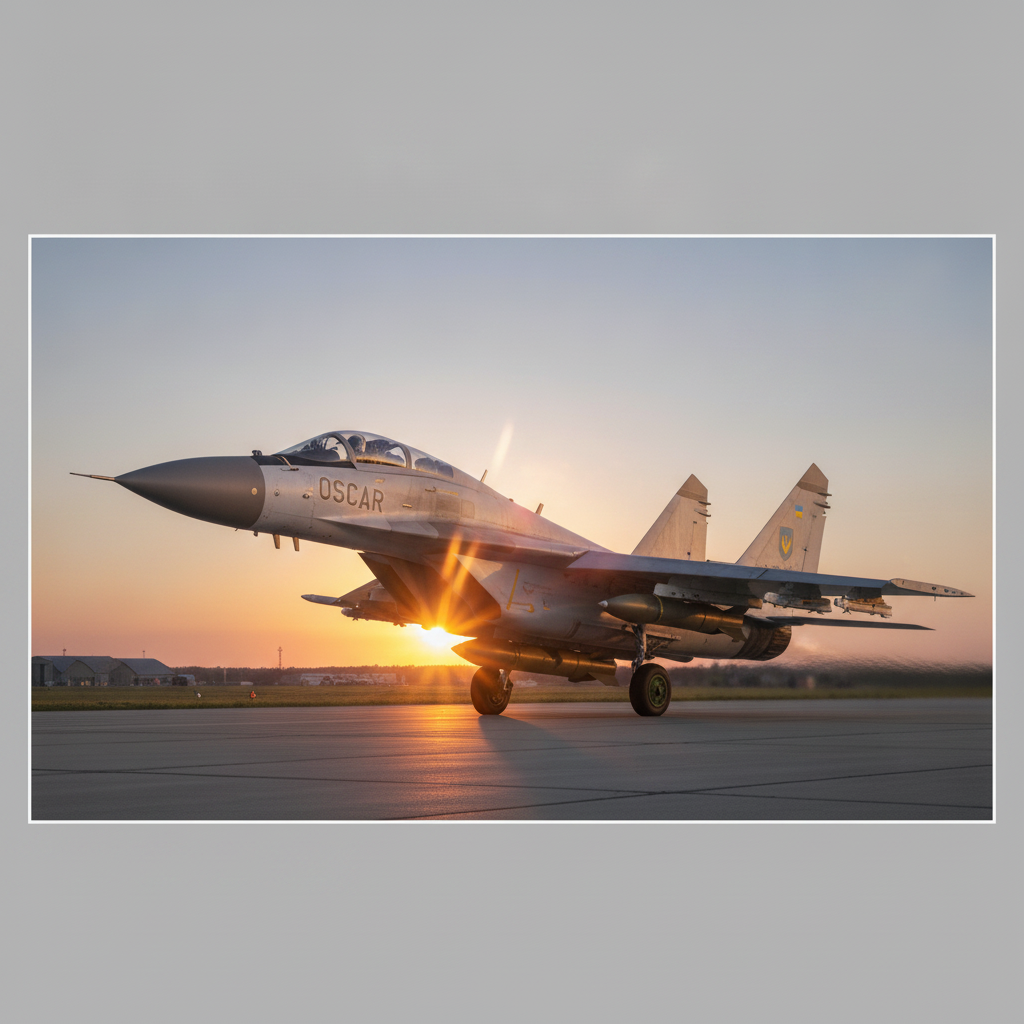
- Four enemy armored vehicles destroyed in Zaporizhzhia as MiG-29 pilot executes precision bombing attack
- Six times cheaper than Tomahawk: Flamingo missile punches through Russian factory roof
- Ukrainian Forces Hit Russian Depots and the 'Priority' Plant in Fresh Attacks
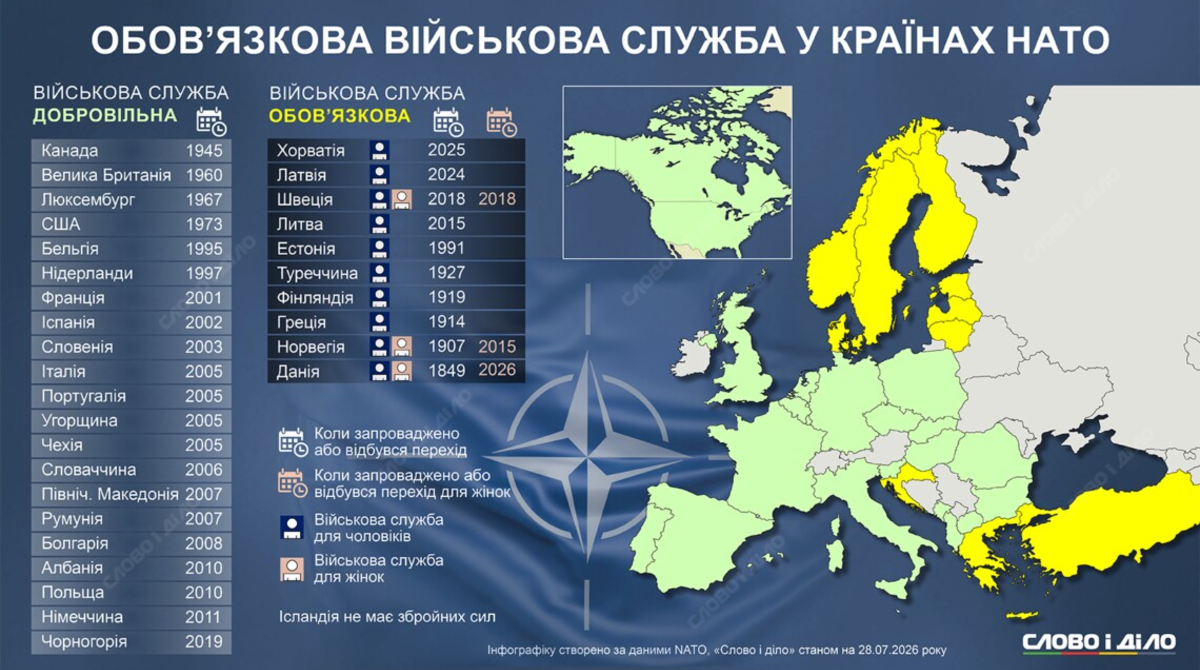
- NATO transformed by Ukraine conflict: countries that enlarged their armies and reintroduced mandatory service
- Three Russian Drones Downed Over Romania Put Ukraine's Grain Exports at Risk