The 'Ran' Robot Lost Beneath Antarctic Ice: What Its Final Mission Revealed.

The Disappearance of the 'Ran' Drone
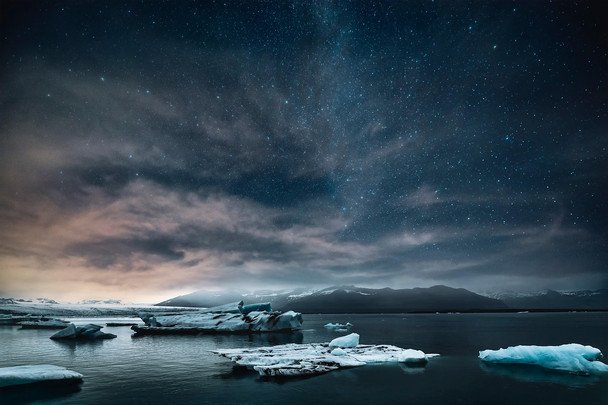
According to TSN.ua: During a scientific mission in January 2024, the unmanned submersible 'Ran' vanished beneath the Dotson Ice Shelf in West Antarctica. The incident occurred while the vehicle was investigating previously undocumented formations, raising concerns among glaciologists. The British Antarctic Survey confirmed the loss, marking a significant setback for ongoing research in this critical region.
Developed in Sweden, the 'Ran' vehicle was operating as part of the International Thwaites Glacier Collaboration. Its 24-hour dive lacked real-time tracking, which complicated efforts to monitor its precise location. This loss underscores the immense challenges of exploring the remote and treacherous environment beneath Antarctic ice shelves.
Investigating the Dotson Ice Shelf
Prior to its loss, in 2022, the 'Ran' submersible successfully mapped approximately 140 square kilometers of the cavity beneath the Dotson Ice Shelf. This research was part of broader efforts to understand the shelf's melt rate, which reaches up to 15 meters per year in some areas. The Dotson Ice Shelf has undergone dramatic changes, losing nearly 390 gigatons of ice since the early 2000s. Between 1979 and 2017, the shelf contributed roughly 0.02 inches to global sea-level rise, highlighting why its monitoring is so vital for climate science.
Data from these earlier missions suggest that events like the loss of 'Ran' can have serious implications for understanding Antarctic glacial processes and their impact on global sea levels. Scientists continue to monitor the situation, hoping future missions can provide more information about the ongoing changes in this sensitive region.
The disappearance of the 'Ran' drone emphasizes the complexity and inherent risks of conducting research under ice shelves, where technological limitations can hinder the collection of crucial data. The heightened focus on glaciers like Dotson is critical for grasping the consequences of climate change, as their melt can have profound effects on global sea levels and ecosystems. While re-establishing contact with the vehicle is unlikely, subsequent research missions will be essential to fill the knowledge gaps about these pivotal natural systems.
Read also
- Swedish Gripen Jets Scrambled Twice to Intercept Russian Su-24 and Su-34 Aircraft
- Deadliest Month for Ukrainian Civilians Since 2022: Over 2,000 Killed in May
- Ukraine Extends Strike Range to 2,000 km: Which Russian Targets Have Been Hit
- Ukraine’s Defense Forces Strike Back as Russia Plans Offensives on Dnipro and Zaporizhzhia Regions
- Deadliest Month for Ukrainian Civilians: UN Reports 274 Killed in May
- Why the Kremlin Has Stepped Up Oreshnik Strikes: Russia Faces Reputational Damage in 2026