Three Companies Paid the Bail for Ex-Minister Galushchenko: Who Is Behind Them.

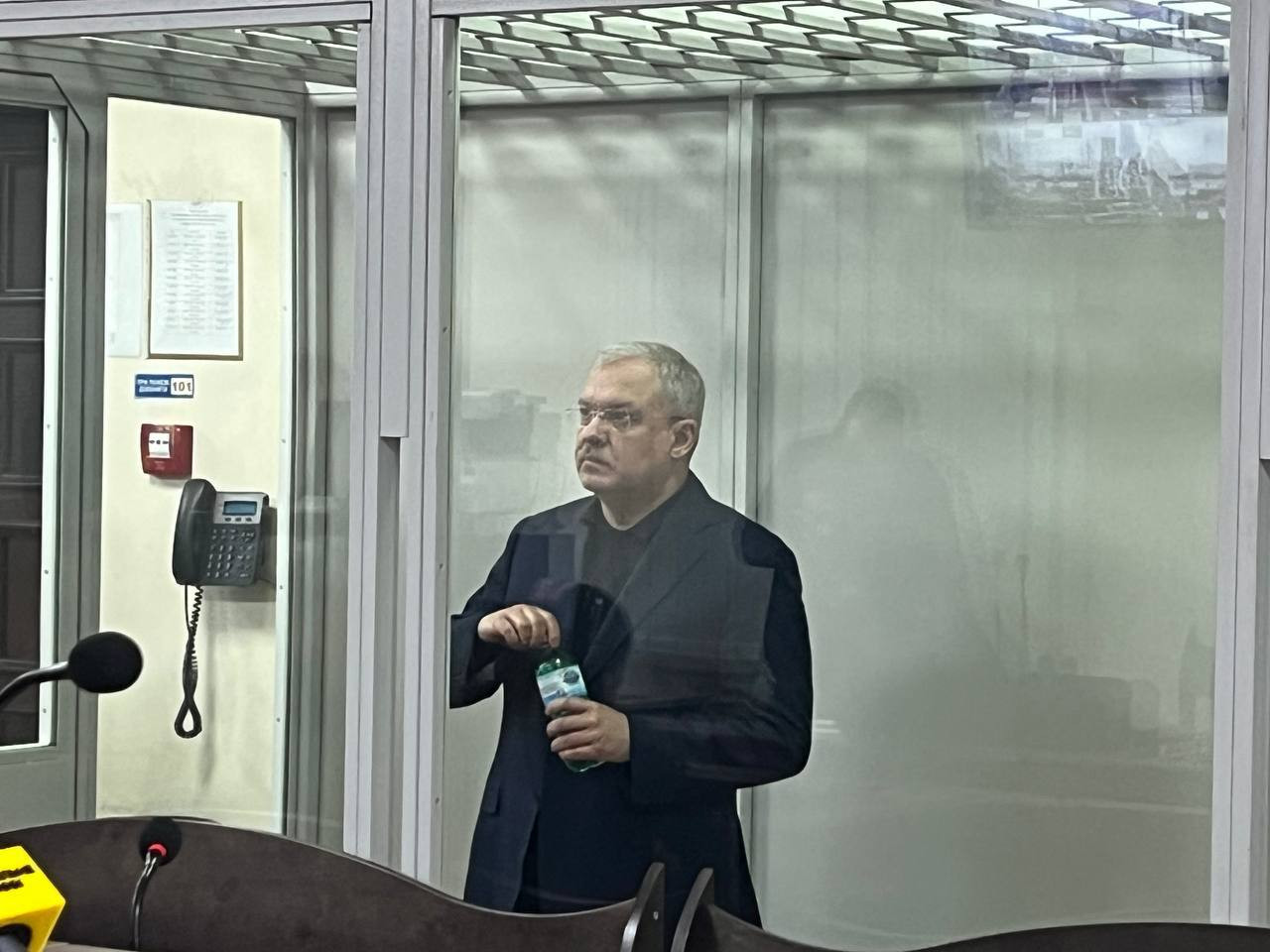
Arrest of Herman Galushchenko
According to Espreso.tv: In February 2026, former Ukrainian Energy Minister Herman Galushchenko was taken into custody while attempting to leave the country. His arrest followed an investigation into corrupt practices, with prosecutors alleging he received a cut of kickbacks from a scheme dubbed 'Shlagbaum.' The total amount of these kickbacks over five years is estimated at $12 million.
The court set Galushchenko's bail at 200 million UAH. Three private companies covered nearly two-thirds of the required 150 million UAH bail. These are:
- 'Tetras Optima,' registered in the Kharkiv region, which paid 54 million UAH. The company is owned by Tetiana Linnikova;
- 'Giran Contract,' founded in 2024 and registered in Brovary, which contributed 46 million UAH;
- 'Skyt Retail,' established in 2021 in Kharkiv, which provided a payment of 5 million UAH.
Corruption Scheme and Public Reaction
Galushchenko's son attends a college where annual tuition costs up to $200,000. The former minister claims that a 'secret godfather'—later identified as sanctioned businessman Viktor Artemov—covered the expenses. Investigative materials also reference Galushchenko's code name 'Professor' in the 'Mindich tapes,' according to Ukraine's National Anti-Corruption Bureau (NABU).
Timur Mindich and Oleksandr Tsukerman have been identified as the organizers of the corrupt scheme. This case has sparked widespread public outrage and highlights ongoing corruption challenges in Ukraine.
The detention of Herman Galushchenko marks a significant step in Ukraine's fight against corruption, a persistent issue for the country. It also underscores the urgent need for transparency and accountability among high-ranking officials, especially during an economic crisis. The public is closely watching for further investigations and court outcomes that could shape trust in state institutions.
Read also
- Zelenskyy Picks Taras Kachka to Lead Ukraine’s Mission to the EU
- Putin’s Approval Rating Plunges to 66% as Russia’s Fuel Crisis Worsens
- Why Russia Sees Turkey as a Viable Negotiation Hub: Three Key Reasons
- EU Allocates €1 Billion to Ukraine for Drone Production: Key Details on the New Aid Package
- Tensions Between Syrskyi and Fedorov: What Leadership Shifts Are Coming for Ukraine’s Armed Forces
- Russia's Strategic Blunders in War: Professor Warns the Cost of Aggression Will Keep Rising