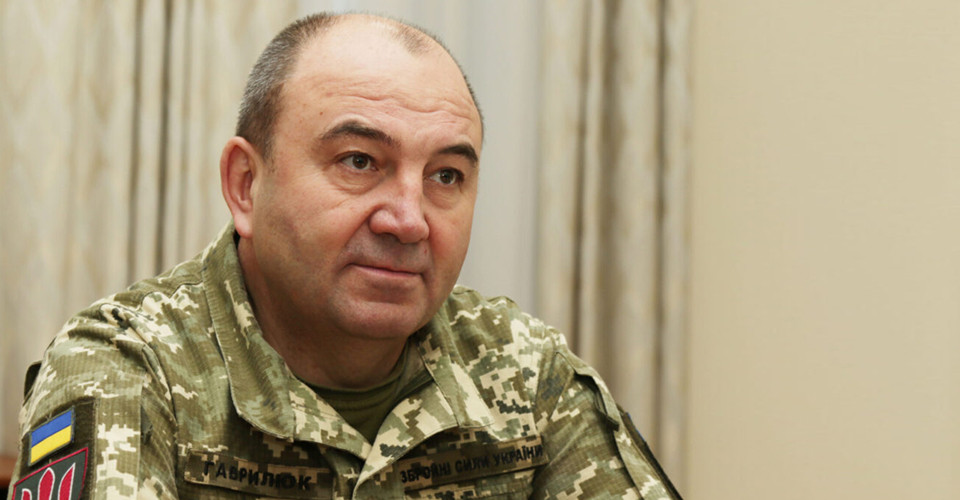
Oleh Luhovskyi Appointed as Ukraine's Acting Foreign Intelligence Chief.

Appointment of Oleh Luhovskyi
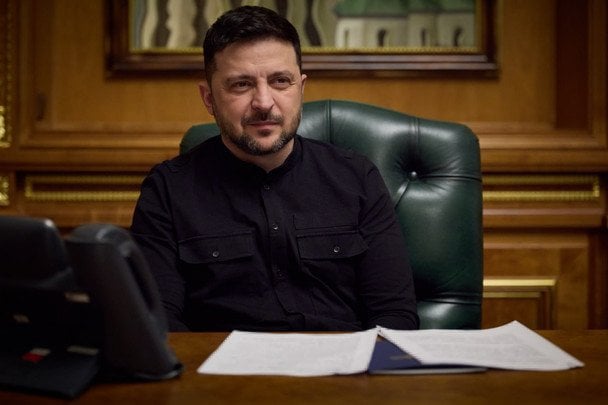
According to TSN.ua: Ukrainian President Volodymyr Zelenskyy has signed Decree No. 100/2026, appointing Oleh Luhovskyi as the acting head of Ukraine's Foreign Intelligence Service (SZRU). This move places a seasoned intelligence professional at the helm of a critical security agency. The decree formalizes his new leadership role within the organization.
Oleh Luhovskyi brings extensive experience within the Foreign Intelligence Service. He began his service there in May 2024, was promoted to the rank of brigadier general in August of that year, and was appointed First Deputy Head of the SZRU in October 2024. His rank was further elevated to major general in August 2025.
International Engagement
Luhovskyi has been involved in significant international diplomacy, including participating in negotiations with the Russian Federation in May 2025. He also attended the Kyiv Sanctions Summit in November 2025, underscoring his role in foreign policy processes. In early 2026, he served as an expert analyst on the military capabilities of the aggressor state.
Given his career trajectory and accomplishments, Luhovskyi's appointment as the SZRU's acting chief represents a logical progression. His background in intelligence and international affairs is seen as a key asset for Ukraine's security apparatus, which operates under constant pressure. This leadership change comes at a time when intelligence analysis and international coordination are paramount for Ukraine's defense.
The appointment is a significant step amid heightened international tensions and the ongoing aggression from the Russian Federation. Luhovskyi's experience in international negotiations and military threat analysis could prove critically important for safeguarding Ukraine's national security. In a volatile geopolitical environment, new intelligence leadership can substantially influence state response strategies.
Read also
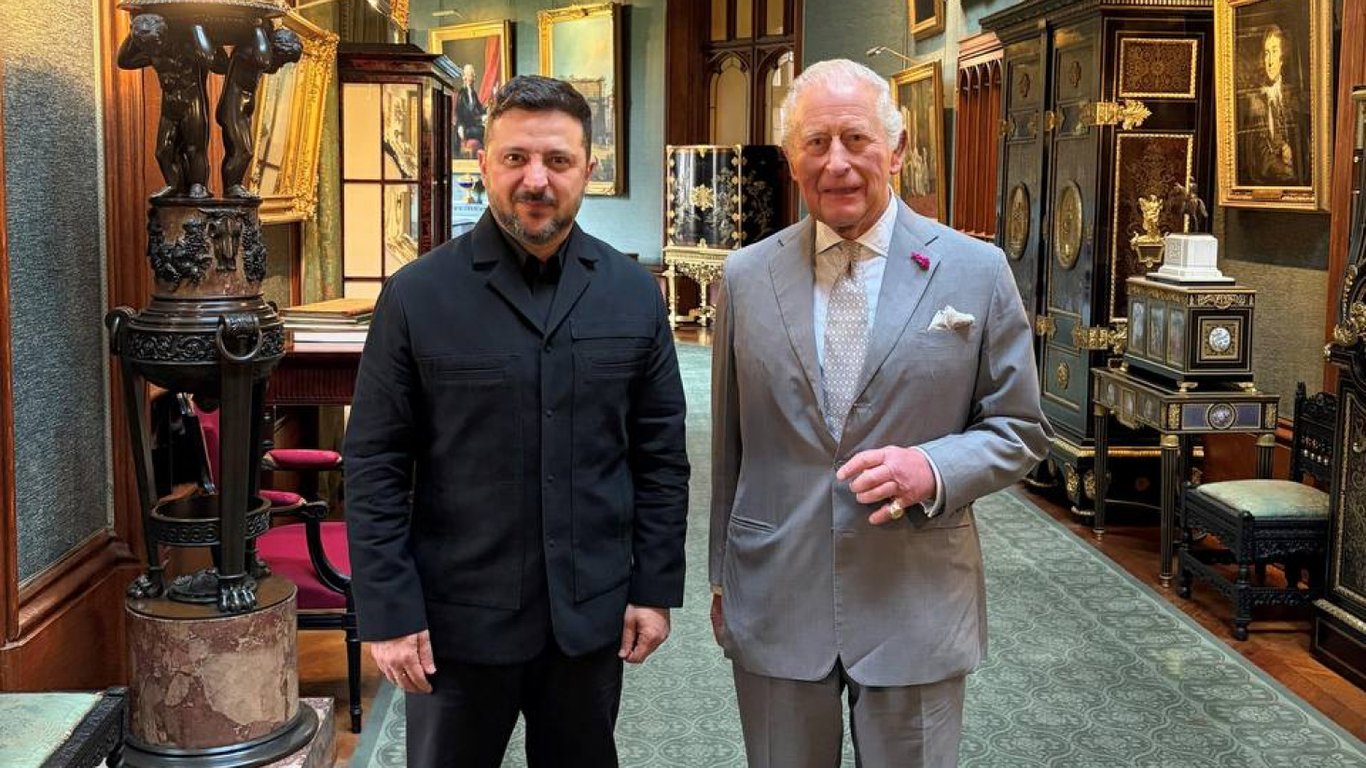
- Ukrainian President Meets King Charles III: Key Topics from the UK Visit
- Trump Meets Patriarch Theophilos III; Putin Talks Announced for Late June
- Zelenskyy points to freezing the front line as the fastest path to peace
- Ukraine Abolishes 'Limited Fitness' Status: Do Citizens Need to Undergo Medical Boards on Their Own?
- Kyrylo Budanov Takes the Helm of Ukraine’s Veterans and Prisoner Affairs Council: What This Means
- UK, France, and Germany Meet with Zelenskyy: Conditions for a Just Peace