Ukraine's Military Disrupts Crimea Supply Lines: Up to 70% of Russian Cargo at Risk.


Strikes on Logistics Routes in Occupied Crimea
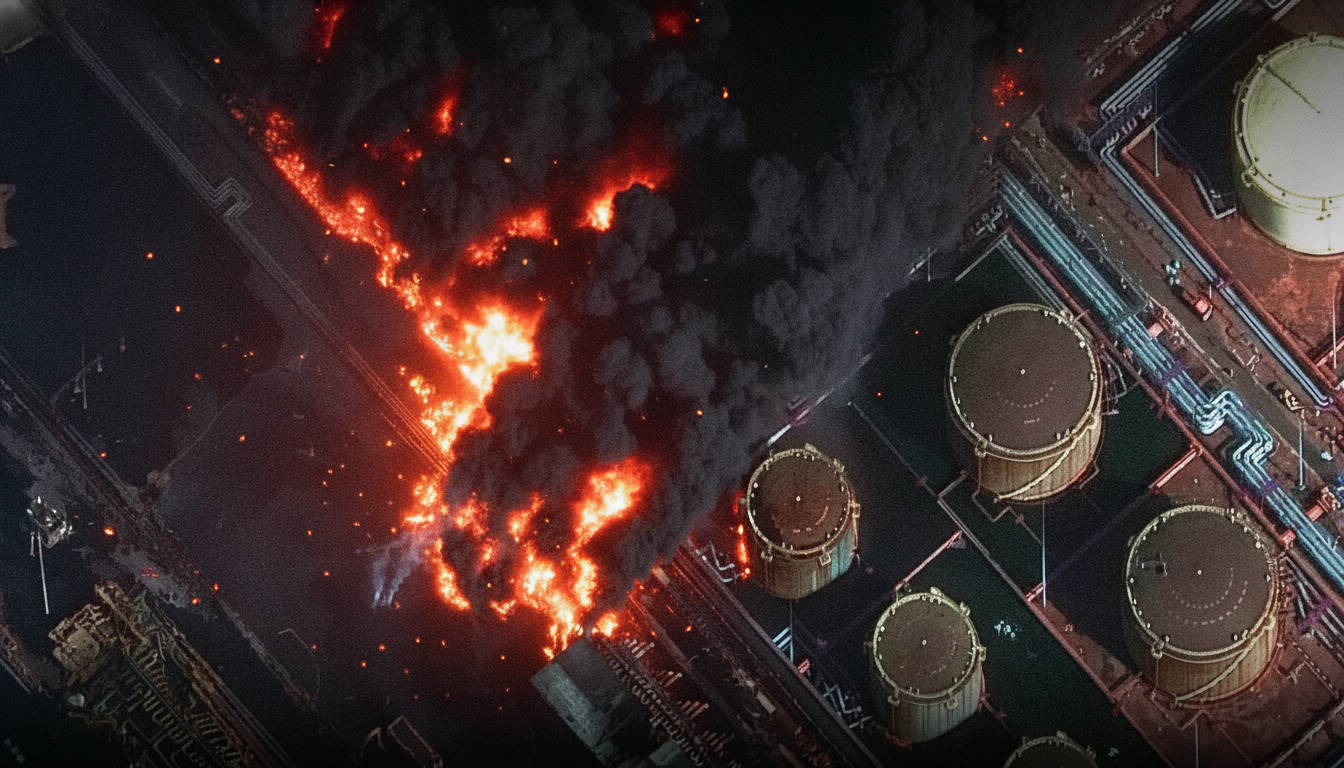
According to Novyny.live: Ukrainian defense forces are systematically dismantling Russian military supply routes in occupied Crimea by targeting bridges and ferry crossings. Attacks on key transport arteries—including four bridges over the North Crimean Canal and crossings near Armyansk and Stavky—have severely hampered cargo deliveries to the peninsula. This campaign is part of a broader effort to degrade Russia's ability to sustain its forces in the region.
According to experts, approximately 60-70% of all cargo shipped to Crimea once traveled through a corridor passing through Kherson Oblast. This route was the primary lifeline for military units stationed in Crimea, as well as those operating in Zaporizhzhia and Kherson oblasts.
Andriy Ryzhenko stated: 'About 60-70% of the cargo needed for Crimea was transited through this corridor. And primarily for supplying military formations.'
Crimea's Infrastructure Vulnerability
The Kerch Bridge, previously used to transport military trains, became unsafe after explosions on October 8, 2022. As Ryzhenko noted,
'after the strike on October 8, 2022... the railway line took a year and a half to repair.'This prolonged repair significantly constrained Russian logistics capabilities.
Additionally, civilian ferries in the Kerch Strait have ceased operations due to Ukrainian attacks. 'The ferries were attacked three times. As far as I know, they are out of service... The equipment is currently not operational, it is not functioning, and there is nothing to replace it with, while repairs are still ongoing,' Ryzhenko commented on the situation.
As a result, Ukrainian strikes on logistics targets in Crimea are not only reducing the effectiveness of Russian forces but also creating a risk of blockading the peninsula. The vulnerability of Crimea's infrastructure is becoming increasingly apparent, especially given the ongoing attacks on critical transport hubs. This could have far-reaching consequences for sustaining military operations on the peninsula and in neighboring regions.
Amid rising tensions, Russia continues to launch over a hundred ballistic and hypersonic missiles each month, underscoring the persistent threat from Russian forces. The situation remains tense, and further actions by Ukrainian forces could significantly influence the conflict's trajectory in the region.
Attacks on logistics routes in occupied Crimea highlight the strategic importance of controlling transport arteries for both sides of the conflict. Reducing supply capabilities for Russian troops on the peninsula could shift the balance of power in the region, particularly as combat operations continue. At the same time, Ukraine's proactive measures demonstrate its ability to adapt to emerging challenges in the course of the war.
Read also
- Zelenskyy Praises 'Long-Range Sanctions' as Ukraine Strikes Oil Export Terminal in Russia's Rostov Region
- Russian Assault on Civilian Ships in Mykolaiv Leaves Dead and Wounded
- Czechia receives 100 howitzers from South Korea, bringing total artillery destined for Ukraine to 190
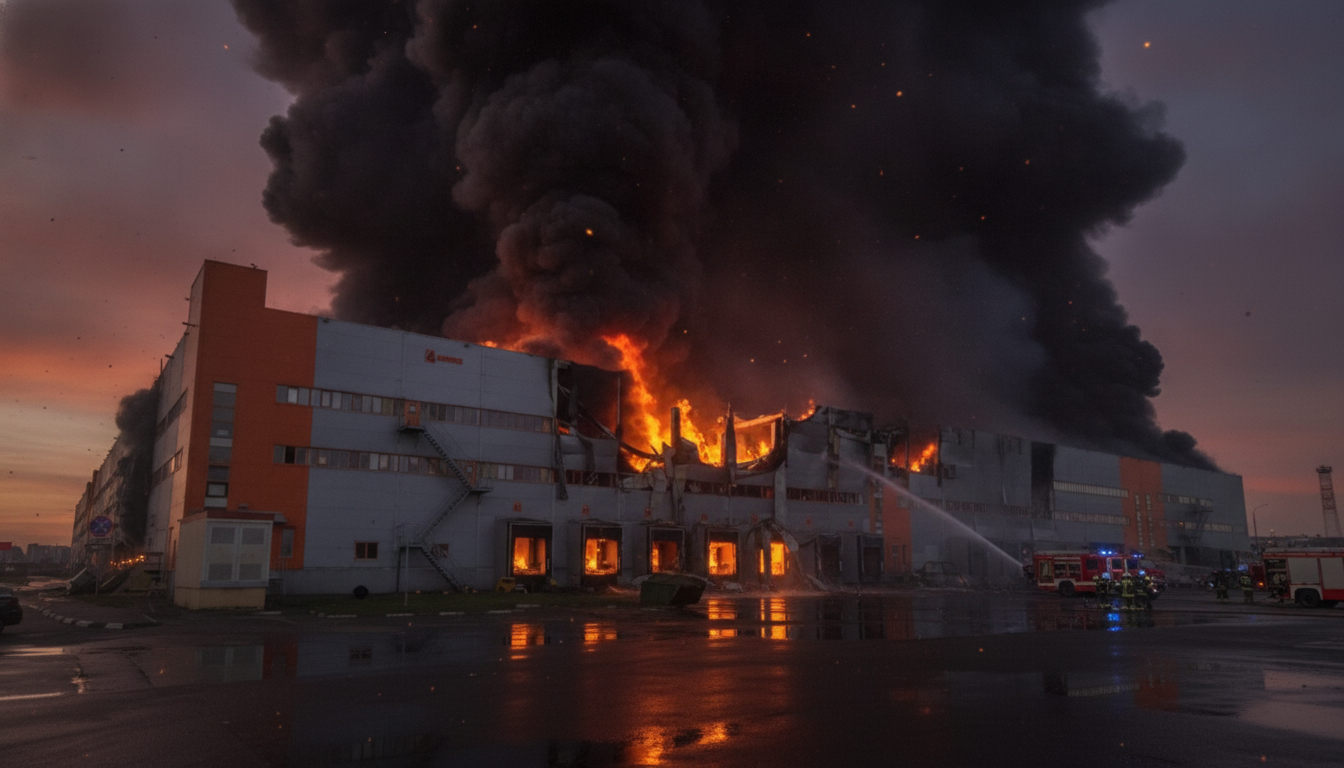
- Targets Identified: Ukrainian Defense Forces Hit Six Warehouses in Russia and Crimea
- Five Turkish F-16 Jets Deploy to Estonia for NATO's Baltic Airspace Protection Mission
- Fuel Crisis From Ukrainian Strikes Leaves Kazakhstan’s President Perplexed About Russia’s War Aims