Fuel Crisis From Ukrainian Strikes Leaves Kazakhstan’s President Perplexed About Russia’s War Aims.

Geopolitical Situation in the Region
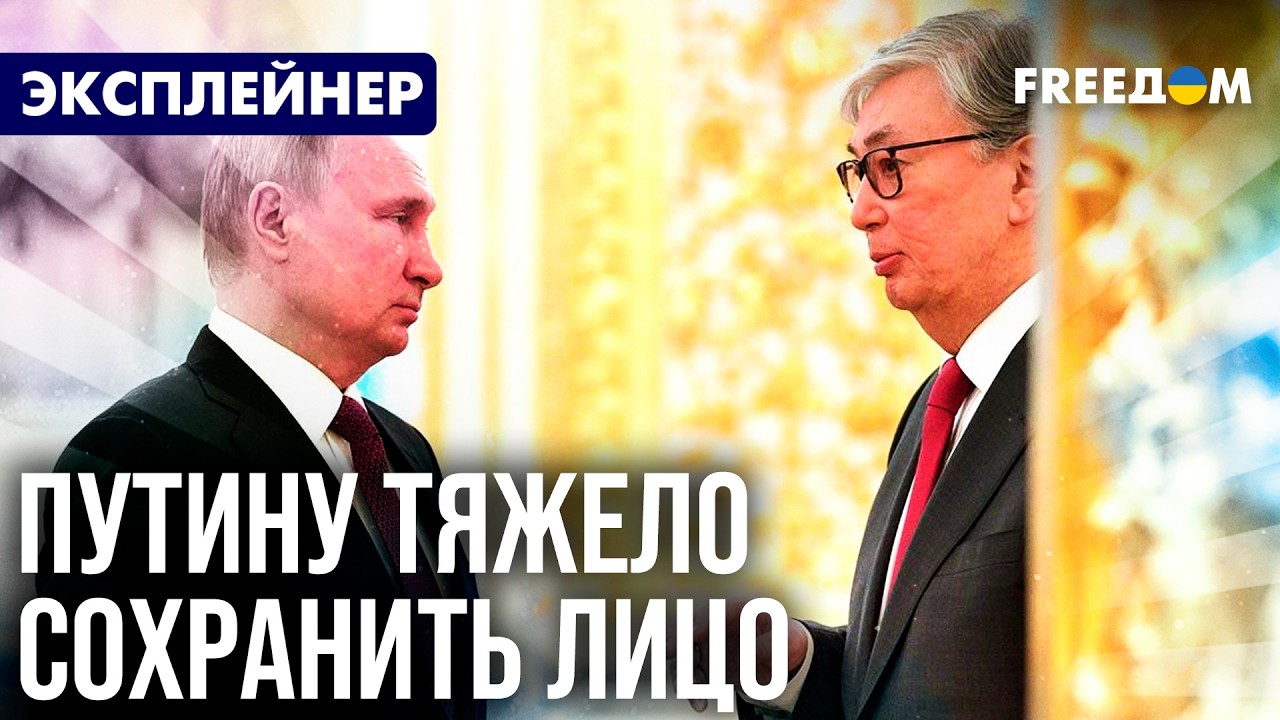
According to UATV: Kazakhstan's President Kassym-Jomart Tokayev has publicly admitted he cannot grasp the motives behind Russia's war against Ukraine, a remark that underscores the delicate diplomatic balancing act in Central Asia. Tokayev, who has maintained a neutral stance since the invasion began in 2022, made the comment as Ukraine’s Defense Forces intensified strikes on Russian military and logistics targets, triggering a severe fuel shortage and price hikes that have alarmed ordinary Russians.
Attacks by Ukraine’s Defense Forces
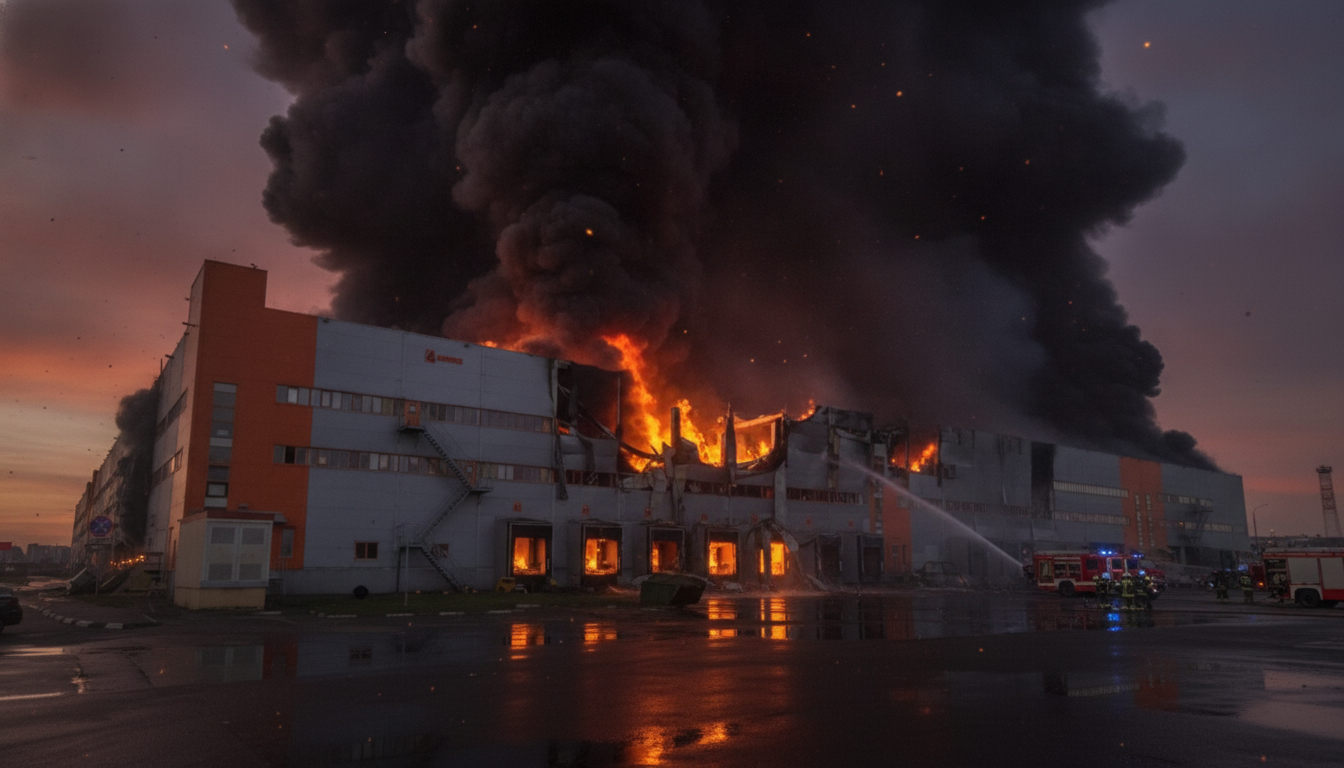
On July 24, Ukrainian forces hit the Vyatka Machine-Building Enterprise 'Avitek' in Kirov. The next day, they struck again, targeting a military facility, an oil refinery in Tyumen, and a logistics center in Yekaterinburg. Additionally, six logistics hubs in the Moscow, Krasnodar, and Stavropol regions, as well as in Crimea, were damaged. The total area of impacted Wildberries warehouses exceeds 1.2 million square meters. These operations are crippling Russia’s domestic capacity to produce refined petroleum products.
'Ukrainians are quite effectively constraining Russia’s domestic oil product output.' — Ihor Burakovsky
In response, Russia extended its ban on gasoline exports through the end of the year, according to Deputy Prime Minister Alexander Novak. Facing rising domestic demand, Moscow has turned to imports from India, Belarus, and Kazakhstan. Analyst Natia Seskuria noted the strategic impact of Ukraine’s campaign on Russian households:
'This is a very smart strategy from Ukraine. It will have a significant impact on Russian households.'
The situation remains volatile as Ukraine’s military actions continue to strain Russia’s economy, especially its energy sector. Fuel price increases and supply disruptions could fuel social unrest. Ukraine’s focused campaign to weaken Russia’s economic foundations reflects a shift in wartime strategy that may have long-term consequences across the region.
Read also
- Drone Strikes on CPC Terminal Drive Kazakhstan's Daily Oil Output Down to 133,200 Metric Tons
- Kremlin Rebuffs Tokayev's Appeal for Putin to End Ukraine War
- Weekend Toll Hits 14 as Russian Forces Unleash Coordinated Strikes on Ukrainian Cities
- Peace Appeal From Kazakh Leader During Putin Meeting
- Tokaev told Putin: the reasons for the war in Ukraine are unclear
- Deadly Fuel Lines in Russia as Authorities Divert Gasoline to Moscow Amid Shortage