Am I right or am I correct? The linguist explained which option is correct.

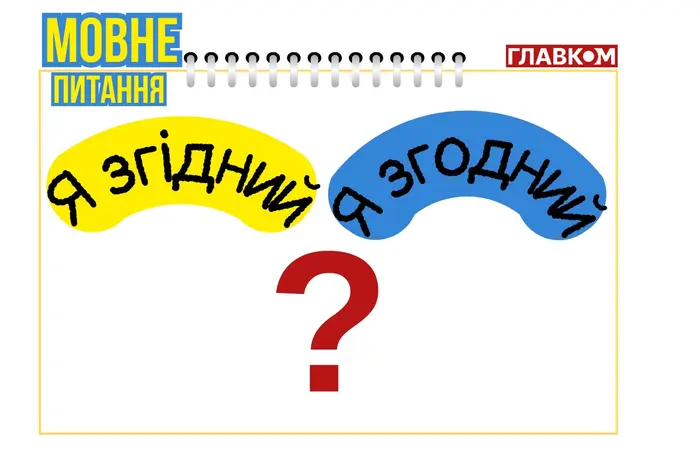
The linguist talked about the correct use of the words 'right' and 'correct'
Olha Vasylieva explained that both forms - 'right' and 'correct' - are correct and certified in dictionaries, as reported by Glavkom in the section 'Language issue'. She explained that the alternation of vowels [o], [e] with [i] is a historical phenomenon in the Ukrainian language and is quite common.
We have the preposition 'according to', not 'agreeing to'. The alternation of [o], [e] with [i] is one of the most common historical vowel alternations in the Ukrainian language - to such an extent that dialects retain ikavism even in such words as rit (mouth), lib (forehead), vivk (wolf), Big (God), and others. 'Right'/'correct' was used by Classics - from Lesia Ukrainka to Oleksandr Dovzhenko. The dictionary also confirms that both forms are correct: 'right is the same as correct' (not outdated and not dialectal).
The linguist believes that 'correct' and 'correct' are the main options, but notes that it is unclear why there was no vowel alternation in these words, which is typical for the Ukrainian language.
Olha Vasylieva also previously explained the formation of names from female and male names, providing examples of the corresponding forms for each category. In addition, she provided explanations regarding Ukrainian technical terminology and the history of its development, noting the low level of Ukrainization of terms during the Soviet Union.
Read also
- One-Third of Ukraine’s Nature Reserves Destroyed by War; Eight Parks Under Occupation
- Former Russian Military Offered a Fresh Start: Turning Past Experience into New Opportunities
- Gallery Vandalized in Warsaw After Employee Protests Anti-Ukrainian Slogans
- Ukrainians File Over 1,300 Language Complaints in Six Months
- Veterans Offered Salaries as Low as 10–12 Thousand: Alarm Bells Ringing in Lviv
- Up to 3,100 UAH: Pension Fund Reveals Who Qualifies for Independence Day Payments