Can the US Halt Iran's Nuclear Ambitions and Uranium Enrichment?.

The Iranian Nuclear Challenge
According to UATV: The international community faces a growing nuclear challenge from Iran, which continues aggressive actions in the Persian Gulf. In response, the United States and its allies are actively exploring the possibility of a formal agreement with Tehran concerning its nuclear program. Despite significant pressure from Washington, Iran shows no intention of halting its uranium enrichment activities. Complicating the international response is the fact that the International Atomic Energy Agency (IAEA) has not found evidence of an active nuclear weapons program in Iran. This long-standing dispute centers on Iran's potential to develop weapons, not just its civilian nuclear energy capabilities.
Regional Tensions and Diplomatic Efforts
The US leadership is seeking solutions to prevent further escalation of conflict.
As noted by Vyacheslav Likhachev, 'The US is not inclined toward an endless war with Iran but is conducting an operation with a specific objective.'This indicates Washington's desire for constructive dialogue with the Iranian side. Likhachev also emphasized that
'the task of the White House administration is to find some semblance of reason and willingness to negotiate within Iran's current leadership.'
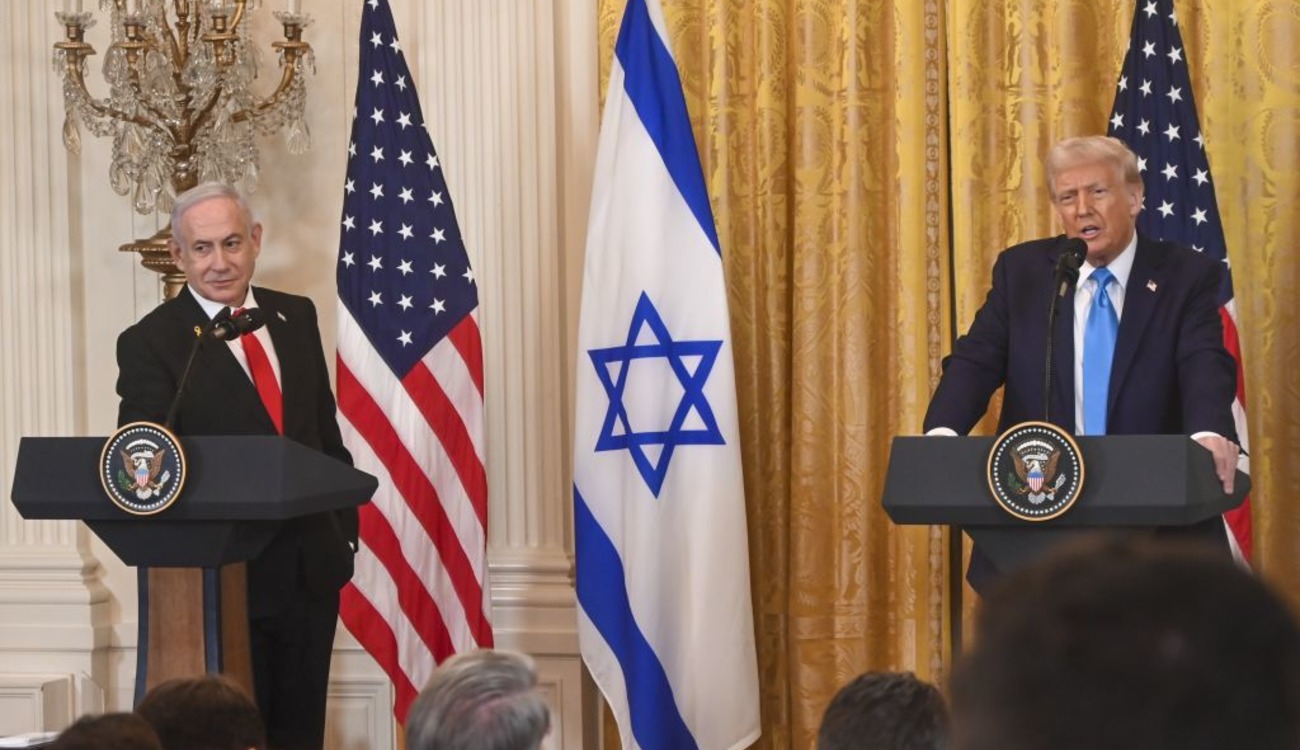
Meanwhile, regional tensions remain high. Israel, which perceives a direct threat from Iran, is preparing to conclude planned operations in the latter half of April. In this context, IDF Brigadier General Effie Defrin confirmed that Israel struck an Iranian facility linked to a nuclear weapons program. The end of March is expected to bring clarity to the conflict's trajectory, though, as Likhachev noted, 'the Iranian threat has not been eliminated.'
It is important to consider that the conflict between Israel and Iran carries economic consequences for all involved parties. Likhachev observed that 'for everyone else, the war between Israel and Iran results in economic losses.' Given this, calls for diplomacy and negotiations are becoming increasingly urgent as the situation remains complex and volatile.
The situation surrounding Iran's nuclear program and its relations with the US and Israel points to rising regional tensions with serious potential consequences for both security and economic stability. Israel's active measures and US attempts to find diplomatic solutions underscore the critical need for international cooperation in resolving conflicts that threaten global security. The continuation of negotiations and the search for workable compromises remain key to achieving stability in the Middle East.
Read also
- Ukrainian F-16 Scores First Air-to-Air Kill Against Russian Aircraft: How It Went Down
- 1,330 Russian Troops Eliminated in One Day as Total Casualties Surpass 1.4 Million: Ukraine's Defense Forces Report
- NATO Ready to Bolster Air Defenses as Lithuania Tightens Infrastructure Security Amid Russian Threats
- UK and Germany Team Up on 2,000 km Strike Missile Aimed at Russia
- NATO Intensifies Black Sea Surveillance Following Ukrainian Strikes on Crimea
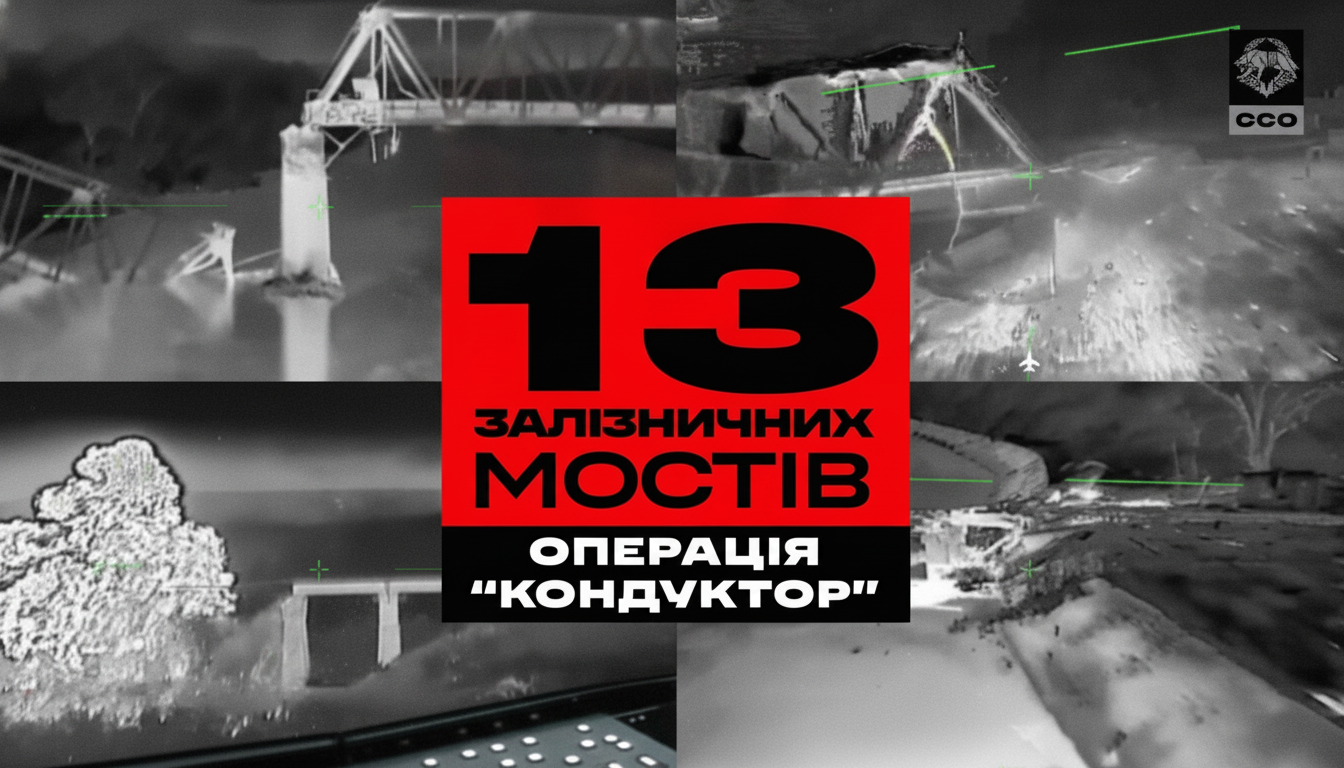
- Operation 'Conductor': 13 Railway Bridges Destroyed by Ukrainian Special Forces on Occupied Territory