Europe's Diminishing Fear of the Kremlin's Nuclear Threats.

Why Europe Is No Longer Intimidated by Russia's Nuclear Rhetoric
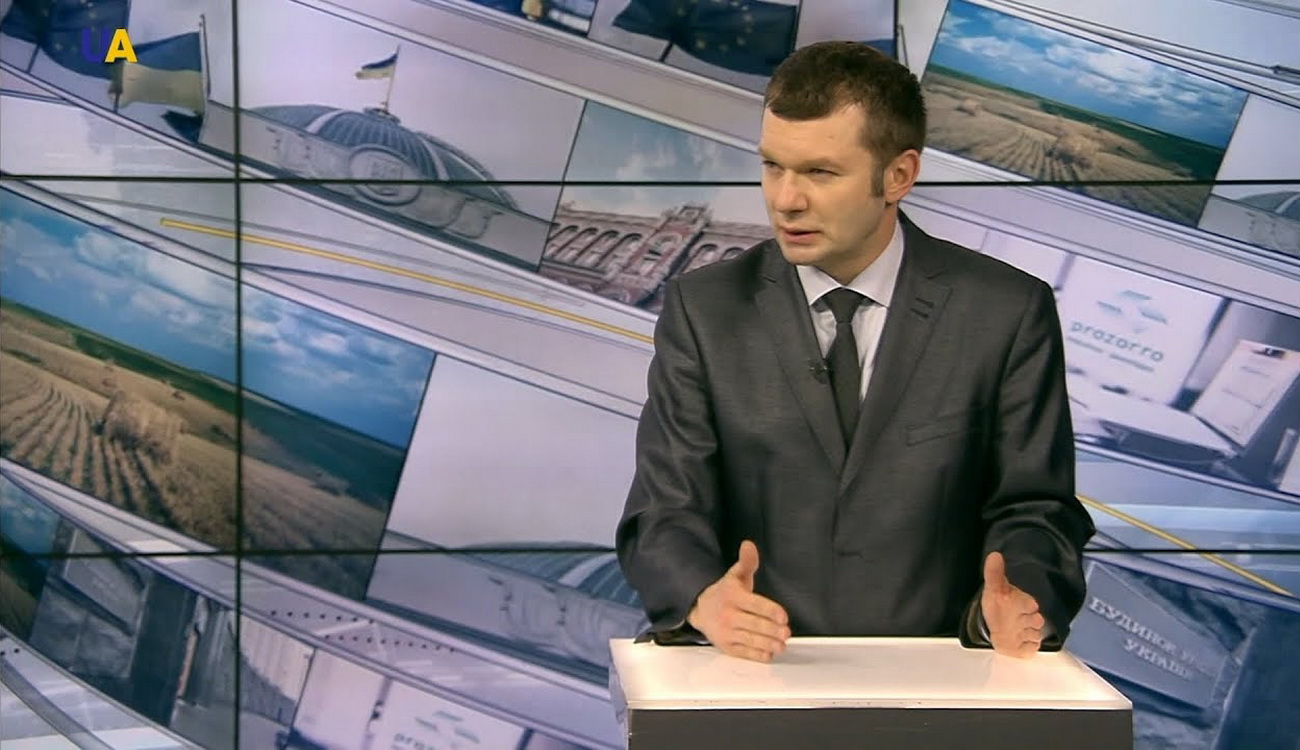
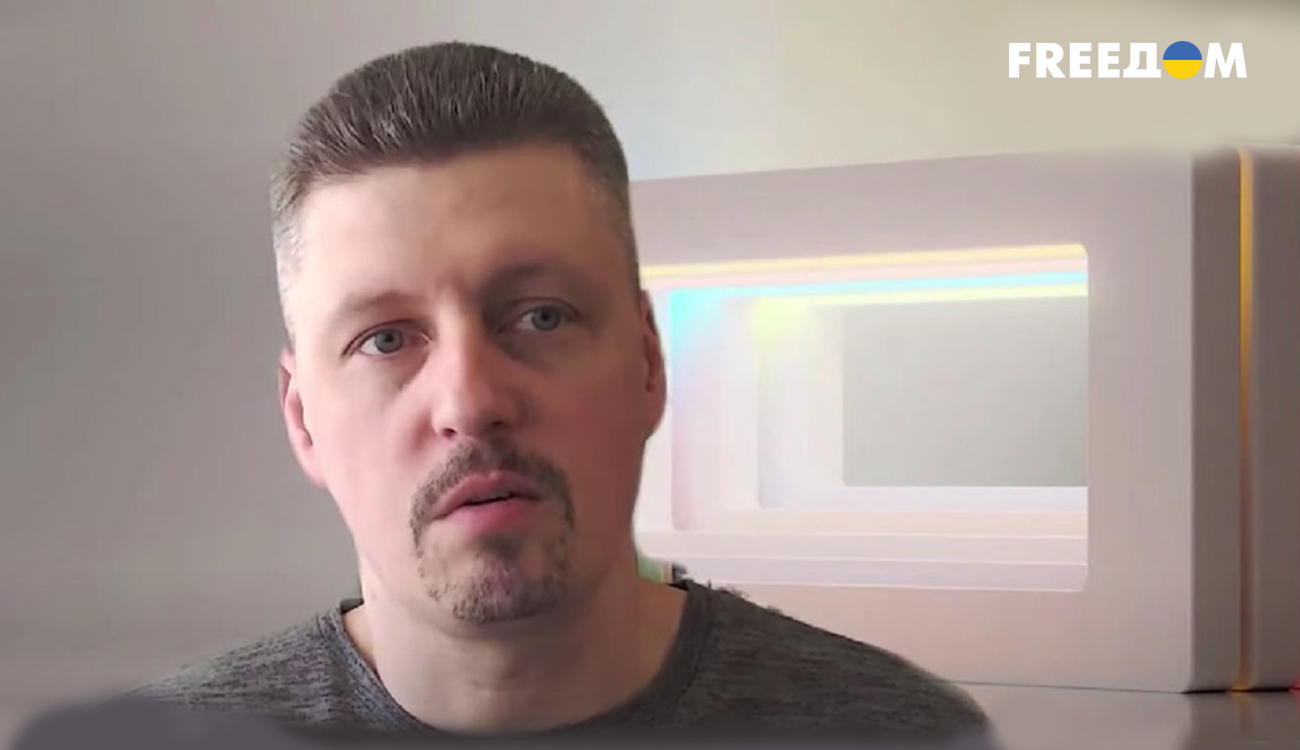
According to UATV: According to political scientist Igor Reiterovich, the Kremlin's nuclear threats no longer hold the same sway over European nations as they did at the start of Russia's full-scale invasion of Ukraine in 2022. This shift indicates a fundamental change in how Europe perceives threats from Moscow, with a reduced susceptibility to fear over potential Russian nuclear strikes. This evolving stance reflects a broader European recalibration of risk in the face of prolonged Russian aggression.
Reiterovich expressed this view during an interview on the FREEДОМ TV channel, stating that European partners now fully grasp the reality of the situation. He emphasized that Russia's nuclear threats are nothing more than hysterics.
“I think our European partners understand this perfectly well,” the political scientist said.This understanding means European countries no longer react to these threats as they once did, when the fear of a nuclear strike significantly influenced political decisions.
The Institute for the Study of War (ISW) also assesses that the Kremlin has revived its nuclear rhetoric to pressure the United States into making concessions regarding Ukraine. Reiterovich added that refusing aid under the banner of 'non-escalation' now appears strange and cynical.
“It is nothing more than threats, it is nothing more than hysteria,” he stressed.These points suggest that European nations are growing more resilient to Russian nuclear posturing, which could impact the future strategies of both the Kremlin and Western countries in the context of the war in Ukraine.
The situation regarding nuclear threats and their reception in Europe highlights a shift in the continent's political climate, where significant fear of potential nuclear strikes once prevailed. Today, informed by the experience of recent years, European countries are likely adapting their security strategies, viewing nuclear threats as an element of psychological warfare from the Kremlin. This perspective may influence approaches to supporting Ukraine and the formation of new alliances in the region.
Read also
- Ukrainian Forces Strike Kirov’s Avitek Plant: Key Military Components Under Sanctions
- Ireland Hands Over Aluminum Probe to EU Amid Concerns Over Russian Defense Sector Risks
- A Vatican Meeting Shifted Zelenskyy’s Relationship With Trump: What Happened at St. Peter’s Basilica
- Russian Missiles Minutes from Berlin: Germany's Foreign Minister Issues Stark Warning
- EU Approves 21st Russia Sanctions Package: Key Restrictions and Why It Falls Short of Expectations
- EU Adopts 21st Sanctions Package Against Russia: What It Means for Oil and Banking