Main News









Advertising

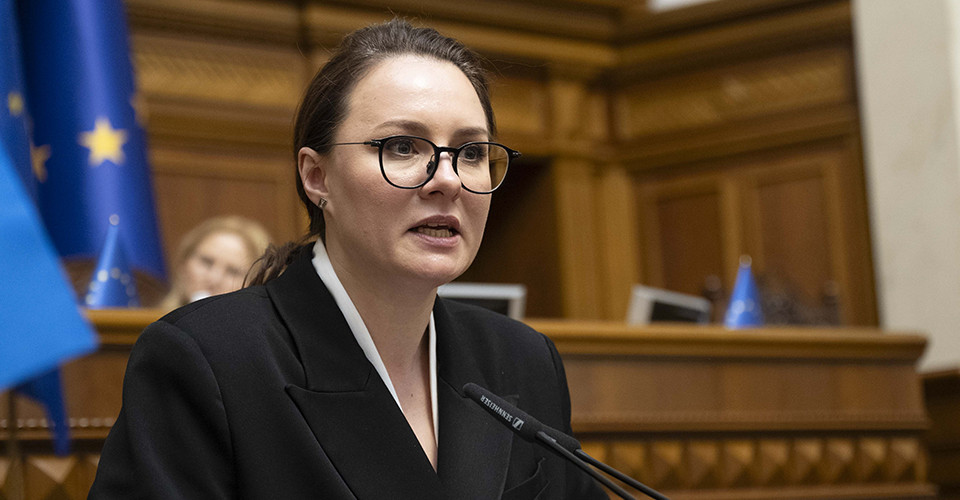

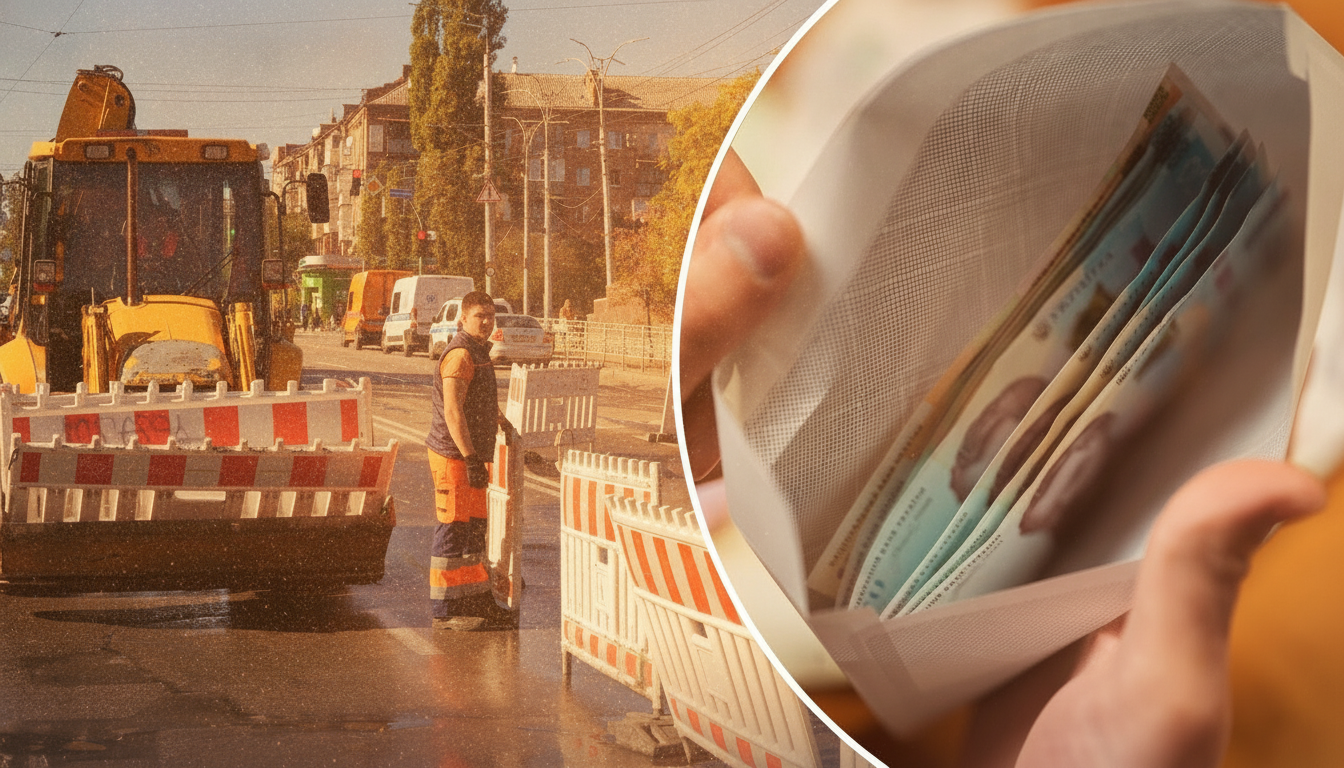
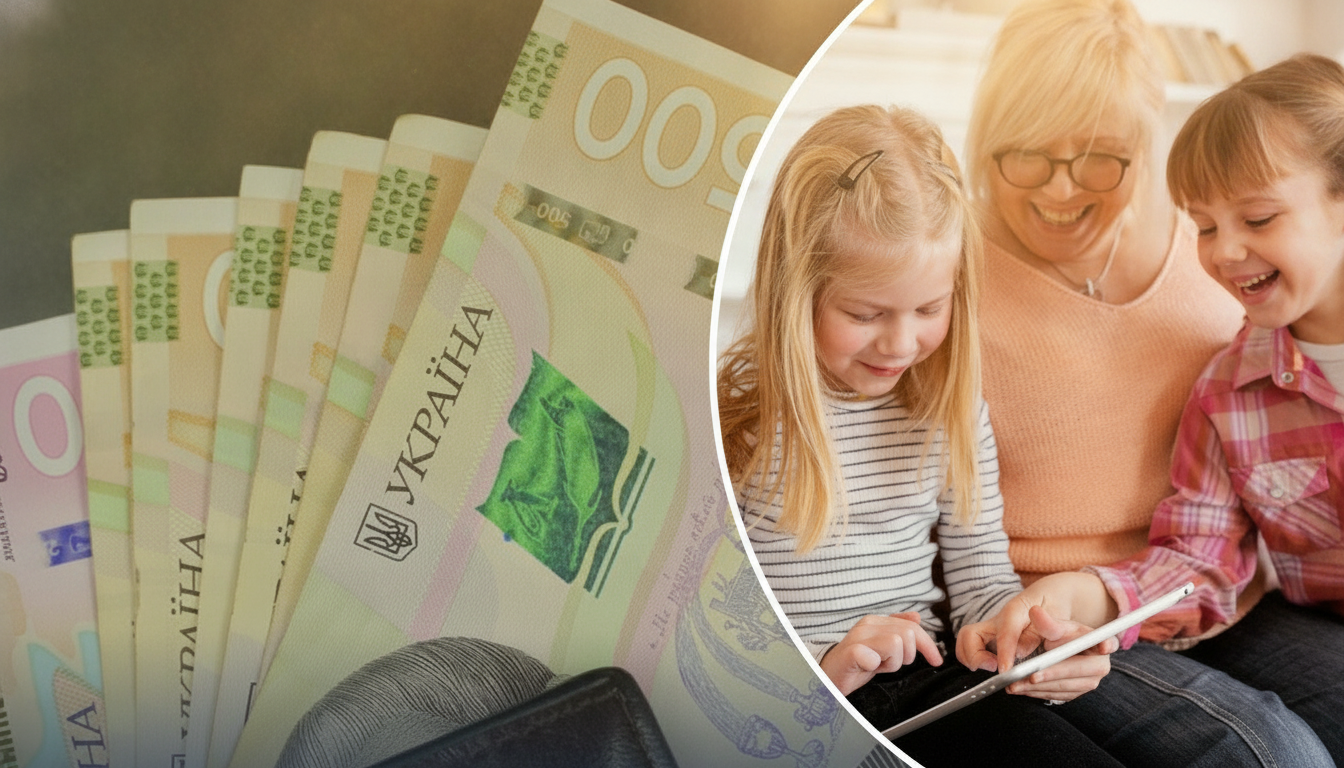
No July 2026 Minimum Wage Hike in Ukraine as Bill Is Withdrawn
today, 06:00
150
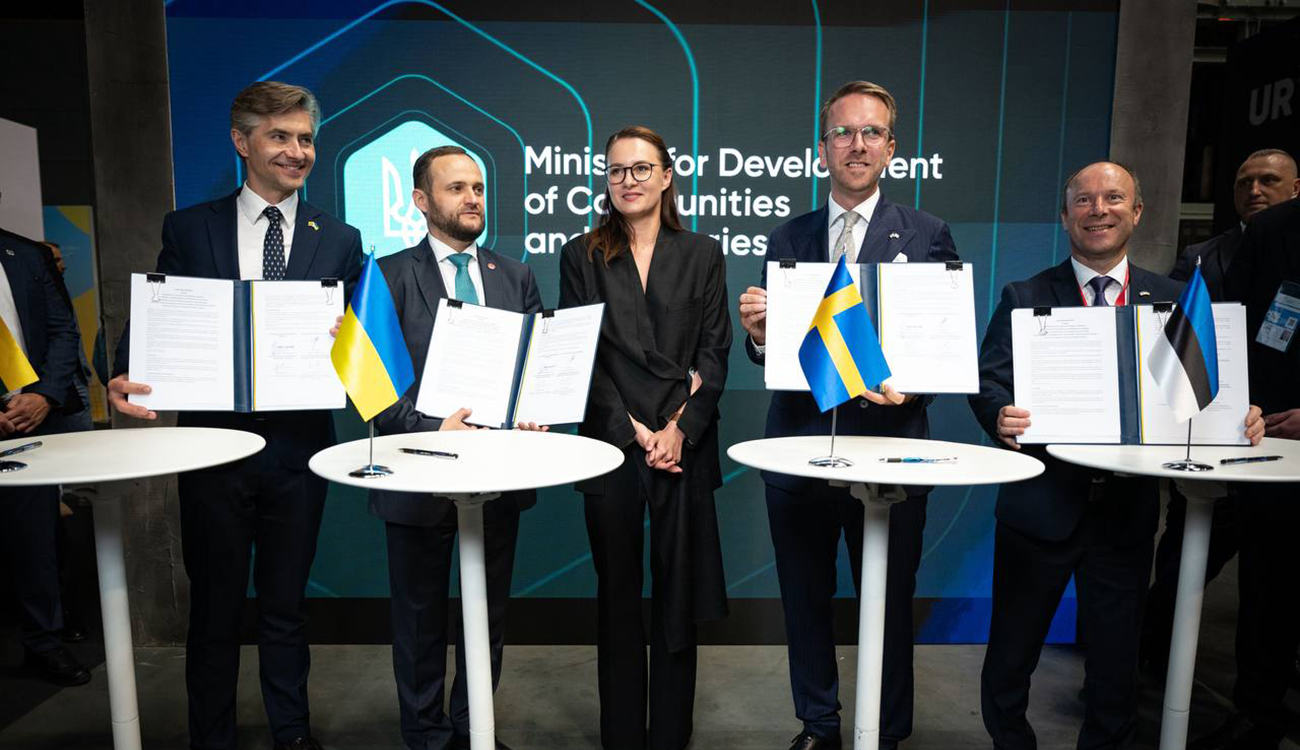
Gdańsk Signs 160 Deals Worth €10 Billion: What This Means for Ukraine
Ukraine Recovery Conference Held in Gdańsk The Ukraine Recovery Conference (URC 2026) continued on June 26 in Gdańsk, where 160 agreements totaling over €10 billion were signed. Participants focused on security and economic support for Ukraine as part of the country's post-conflict rebuilding effort...
today, 05:42
170
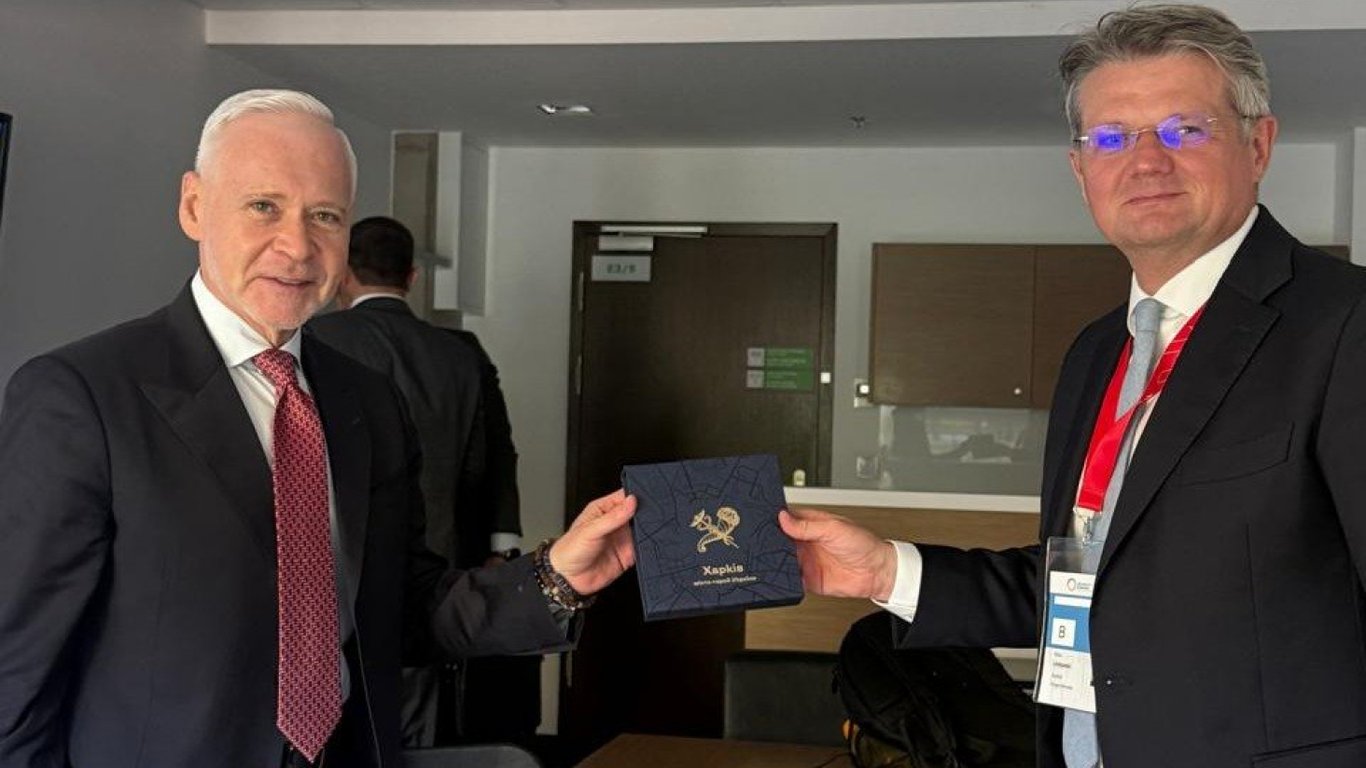
€20 Million Energy Boost for Kharkiv: What It Means for the City
today, 05:12
244
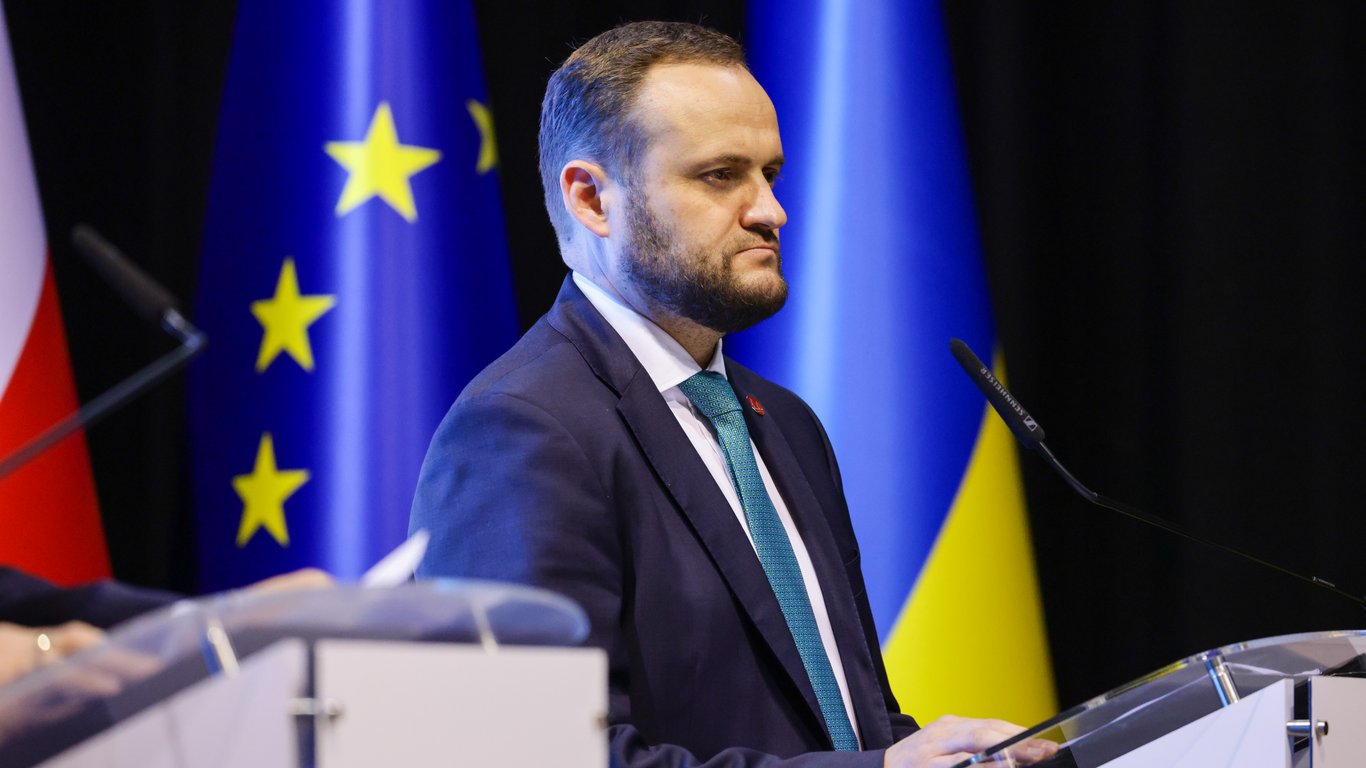
€470 Million in Recovery Aid for Ukraine: Where the Funds Are Going
today, 05:00
252
Horoscope
LIFESTYLE


Tourism




A Cake Without an Oven: Celebrating Vera’s Name Day on June 27
today, 04:18
246
How to Make Quick Apricot Jam in Just 5 Minutes
today, 02:12
290
Tech
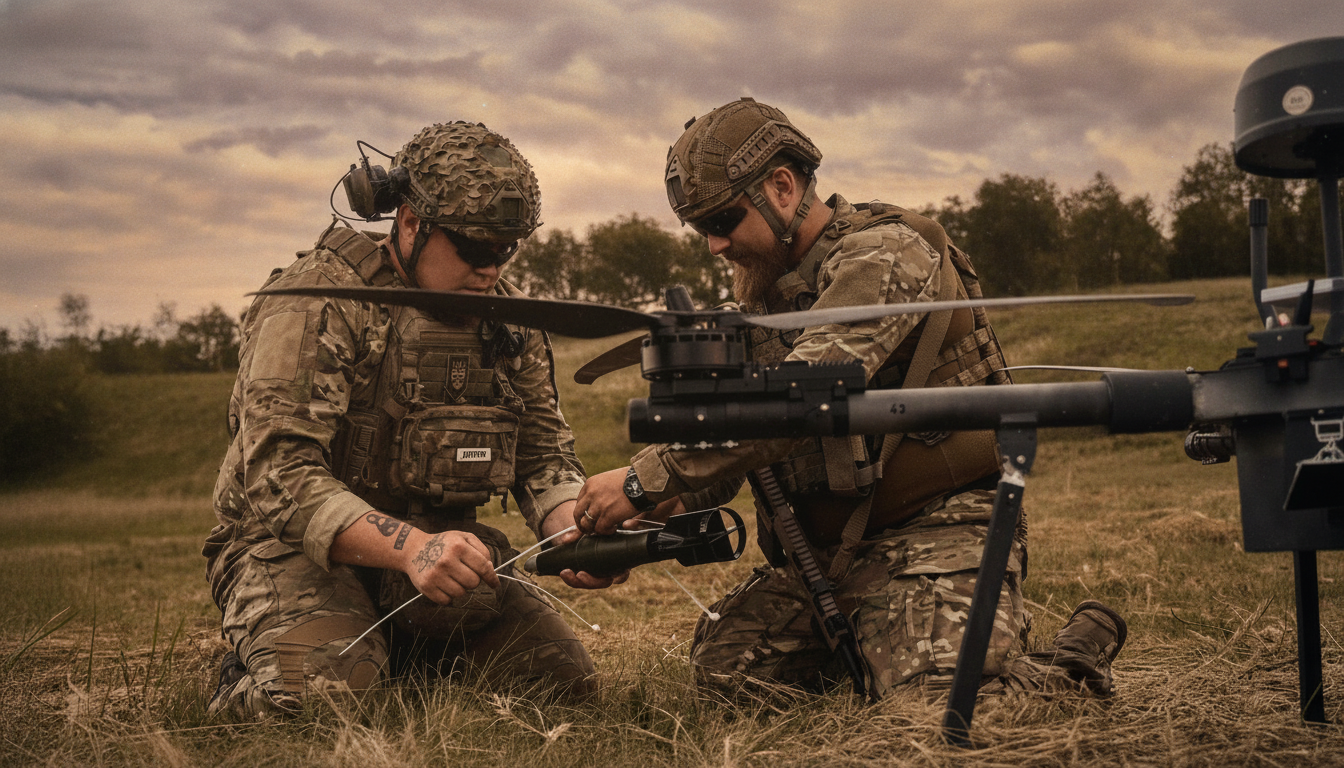

How Ukraine’s FPV Drones Are Taking Down Russian UAVs in Combat
today, 05:24
183


The apps that drain your smartphone battery the fastest have been revealed
yesterday, 17:48
373
Society


Showbiz



Kyrylo Budanov biography: life, career and wife
yesterday, 15:15
428
Netflix Reveals Korean Horror Series 'Eastern Palace' with Premiere Date
yesterday, 09:06
475
Sports
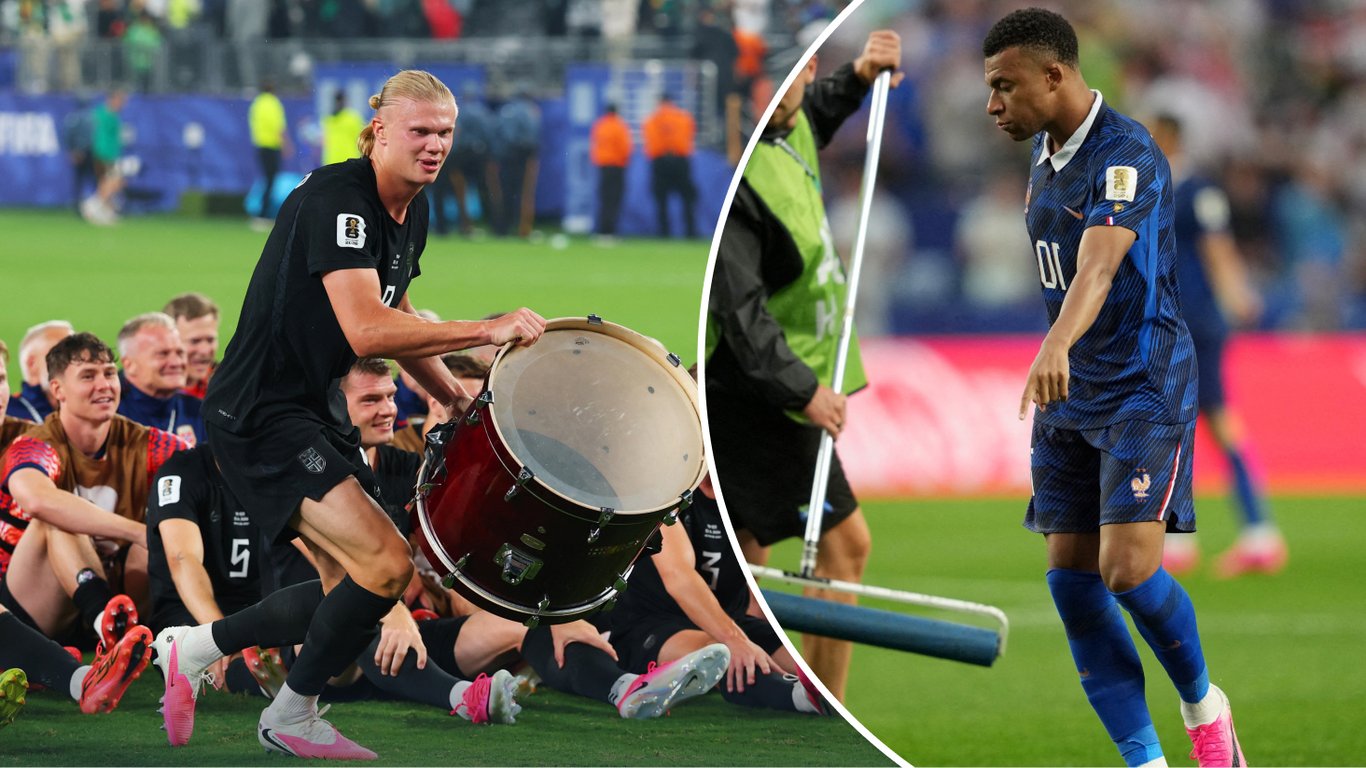
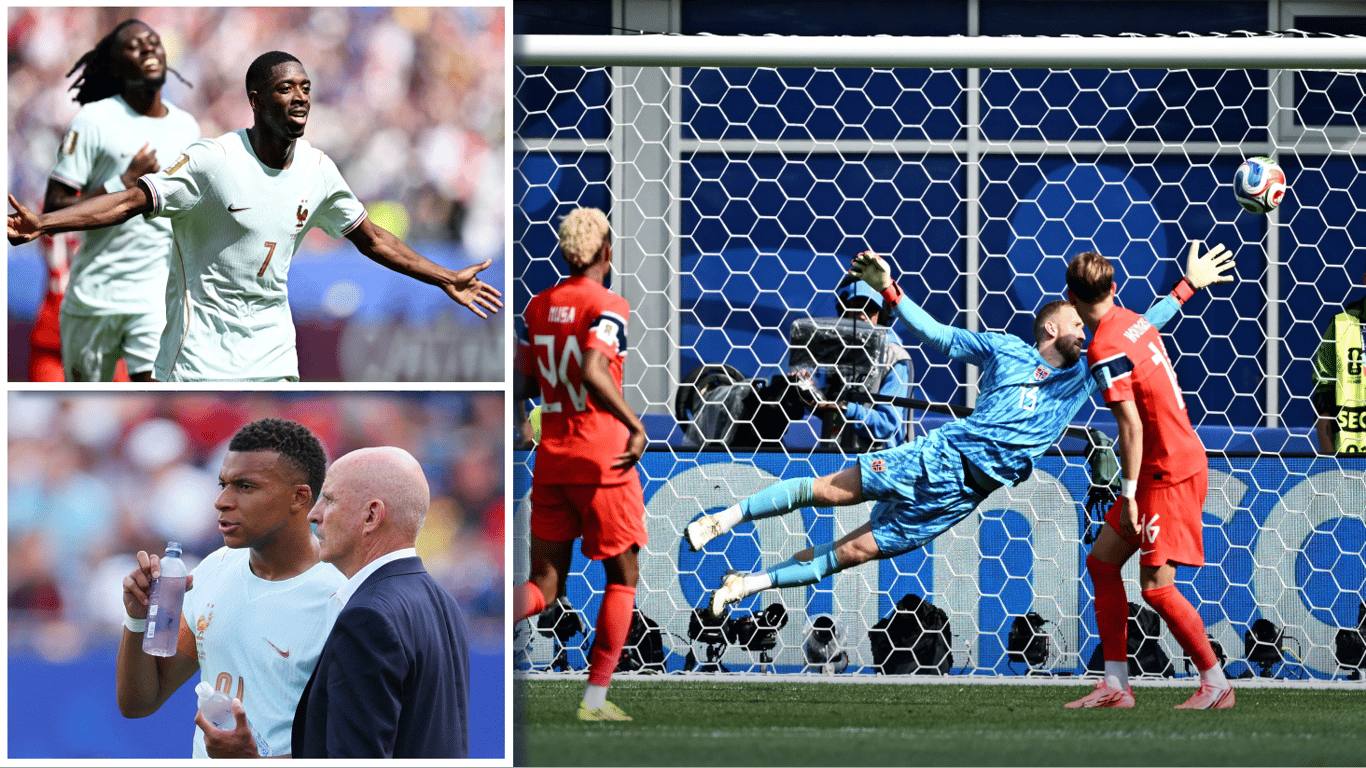
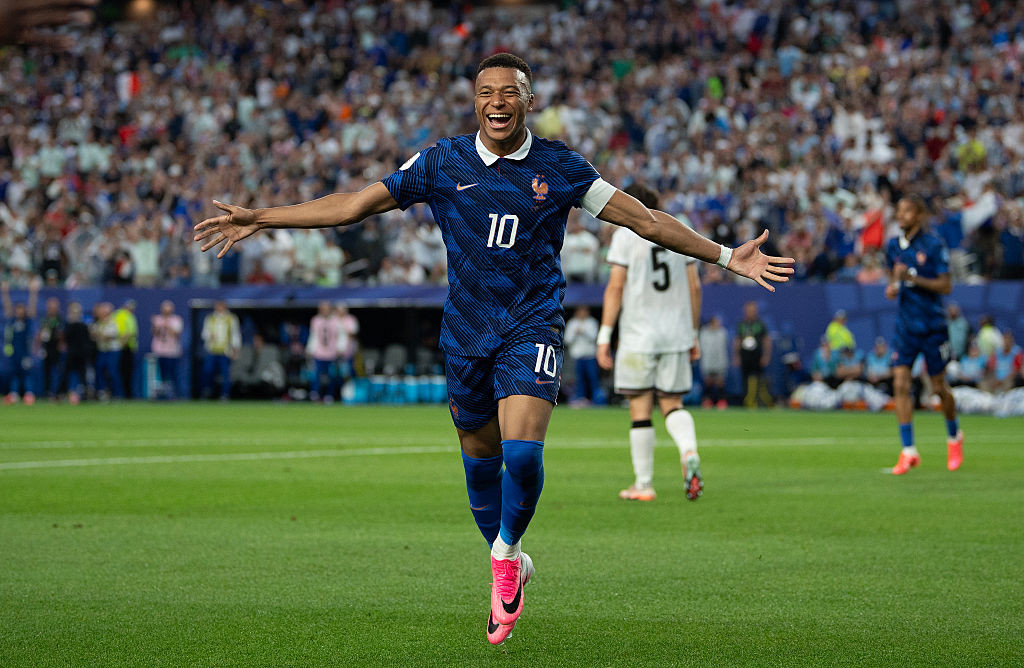
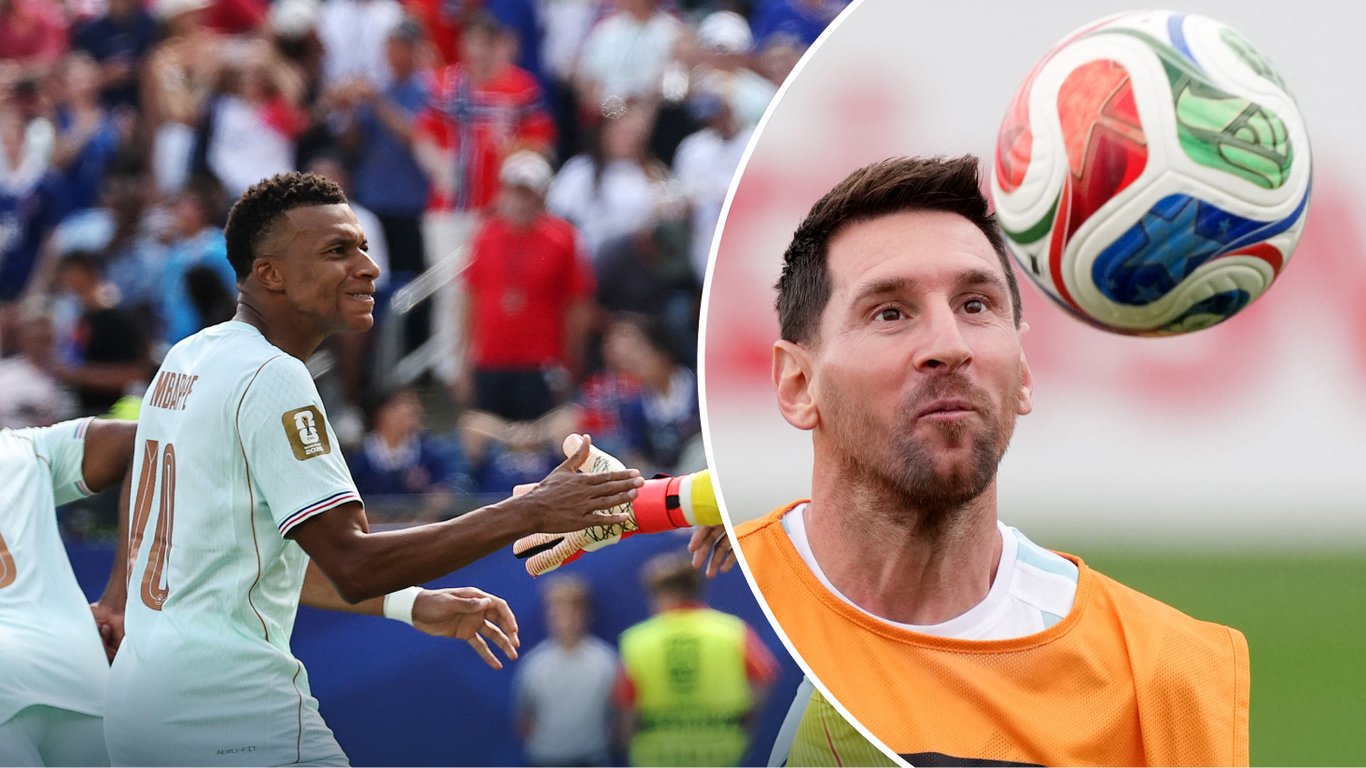
Group I Decider: Norway vs. France at the 2026 World Cup
today, 05:54
153
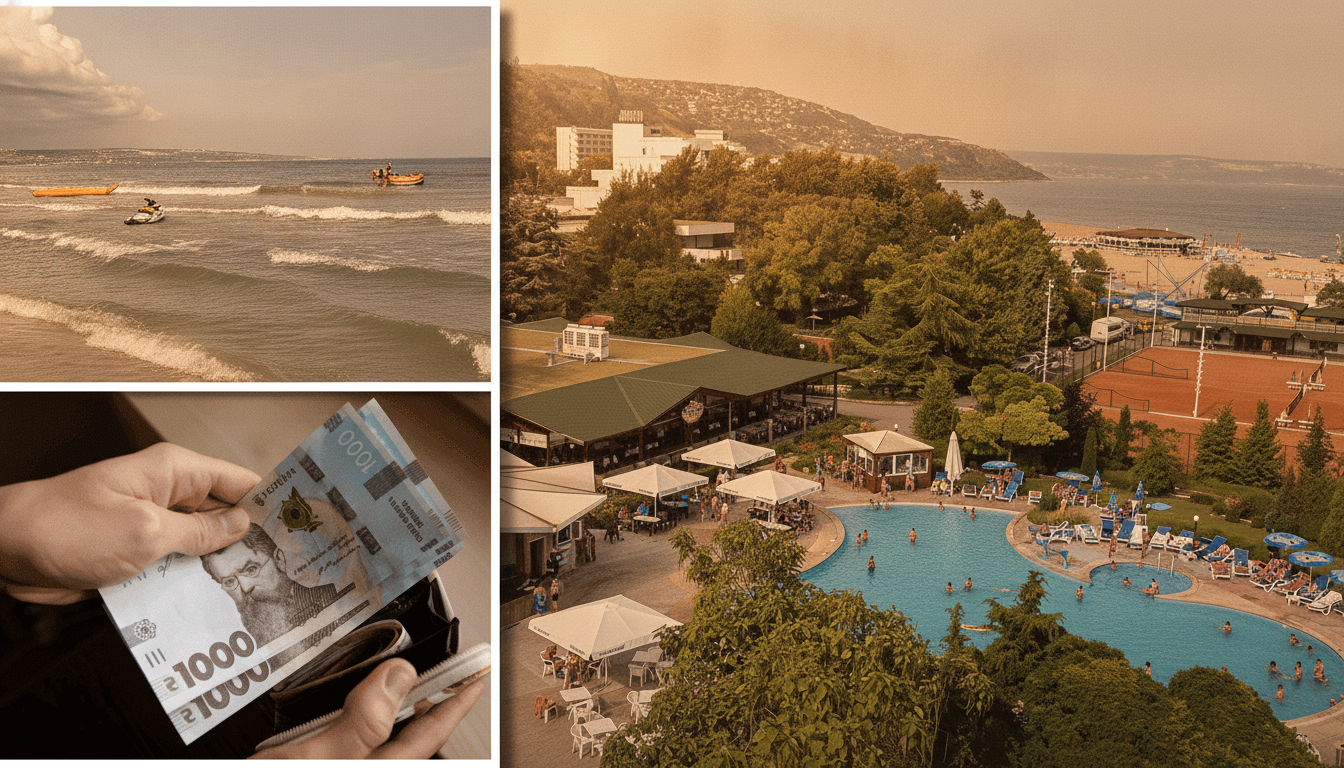
Affordable Summer 2026: Bulgaria and Turkey Reveal Vacation Costs for Ukrainians
yesterday, 13:42
402