A Century of Change: Americans Now Spend Just 10% of Income on Food.

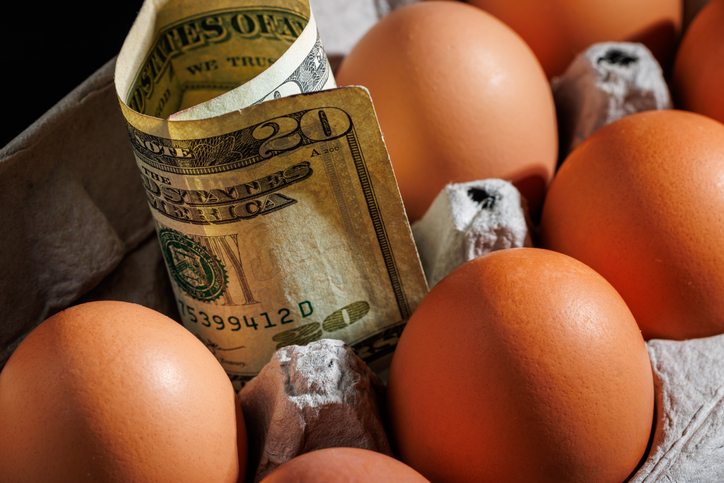
American Food Spending in 2024
According to Vox - Загальний: In 2024, American households are spending only 10.4% of their disposable income on food, a dramatic decline from historical levels. This trend is a key indicator of economic development and shifting household budgets. Back in 1901, the average family allocated a staggering 42.5% of its budget to food. By 1947, this figure had dropped to 23%, and by the 1960s, it was around 15%, showing a consistent, long-term decrease in the proportion of income spent on groceries.
Economic Drivers and Persistent Inequality
This remarkable shift can be attributed to several economic factors, most notably the immense gains in agricultural productivity. For instance, in 1940, a single American farmer could feed about 19 people. Today, that number has soared to nearly 170, highlighting the technological revolution in farming.
Despite this overall national trend, the picture is starkly different for lower-income households. In 2023, families in the lowest income quintile spent 32.6% of their after-tax income on food. This disparity underscores how economic progress has not been evenly shared, leaving many struggling to afford adequate nutrition.
- The scale of need is illustrated by the Supplemental Nutrition Assistance Program (SNAP), which served approximately 42 million people monthly in 2023, emphasizing the critical role of social safety nets in ensuring food security.
Collectively, these changes in food spending reflect not just individual financial circumstances but also broader national trends in agriculture and the economy, confirming Engel's Law that as incomes rise, the share spent on food falls. However, challenges within the modern food system remain, as not all segments of the population have equal access to affordable, quality food.
This situation highlights the crucial importance of considering social inequality when analyzing shifts in food expenditure.
While average food costs have decreased, this does not mean all Americans benefit equally from economic advancement. Support programs like SNAP remain vital for those facing financial hardship, providing a lifeline to basic nutrition. In the face of ongoing economic challenges, it is essential to continue supporting initiatives that promote food security for everyone.
Read also
- 150 Teens Already Employed in 2026: A Strong Start for Summer Youth Jobs
- War Transformed Her Life: Donetsk Teacher Creates Ukraine’s Largest Embroidered Shirt
- Kids Pick a Backpack in Seconds: What School Bags Must Offer in 2026
- Why Displaced Residents of Mariupol Face Barriers to Housing Compensation
- Kyiv Electric Train Prices Increase from July 22: Fare Will Rise to 37 Hryvnias
- Russia Fines Residents for Storing Gasoline in Garages Amid Fuel Shortages