Japanese H3 Rocket Failure: Navigation Satellite Failed to Reach Orbit.

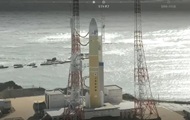
According to Korrespondent.net: The launch of the Japanese H3 rocket from the Tanegashima Space Center ended in failure. The rocket aimed to place the Michibiki 5 navigation satellite into orbit. The Japan Aerospace Exploration Agency (JAXA) reported that during flight, the standard second stage of the second engine failed to operate, causing the engine to shut down prematurely, and the satellite could not reach its designated orbit. The launch has been officially deemed unsuccessful.
Satellite Characteristics and Navigation System
The satellite, weighing about 4.8 tons, was to become the fifth spacecraft of Japan's QZSS navigation system, which operates in geosynchronous orbit. This system is compatible with GPS and aims to enhance navigation accuracy in Japan and regions of Asia and Oceania. Currently, there are four active satellites in the constellation, and Japan intends to expand the network to 11 units.
History of the H3 Rocket
The H3 rocket was designed by JAXA in collaboration with Mitsubishi Heavy Industries as a successor to the H-2A, a launch vehicle that had been used for orbital launches for over 25 years and was decommissioned in June of this year. The first H3 launch in March 2023 also failed, but the rocket subsequently completed five successful missions in a row. The current failure marks the second setback in its history.
JAXA's Actions After the Accident
JAXA has established a special working group led by agency head Hiroshi Yamakawa to determine the causes of the Michibiki 5 launch failure and to outline further steps regarding the operation of the H3 rocket.
This situation presents a significant challenge for Japan's space program, which seeks to maintain competitiveness in space technologies. Following the successes of previous missions, this new failure serves as an important lesson for JAXA and the Japanese industry in general, since every launch carries risks. The agency's next steps could significantly impact the future of space projects.
Read also
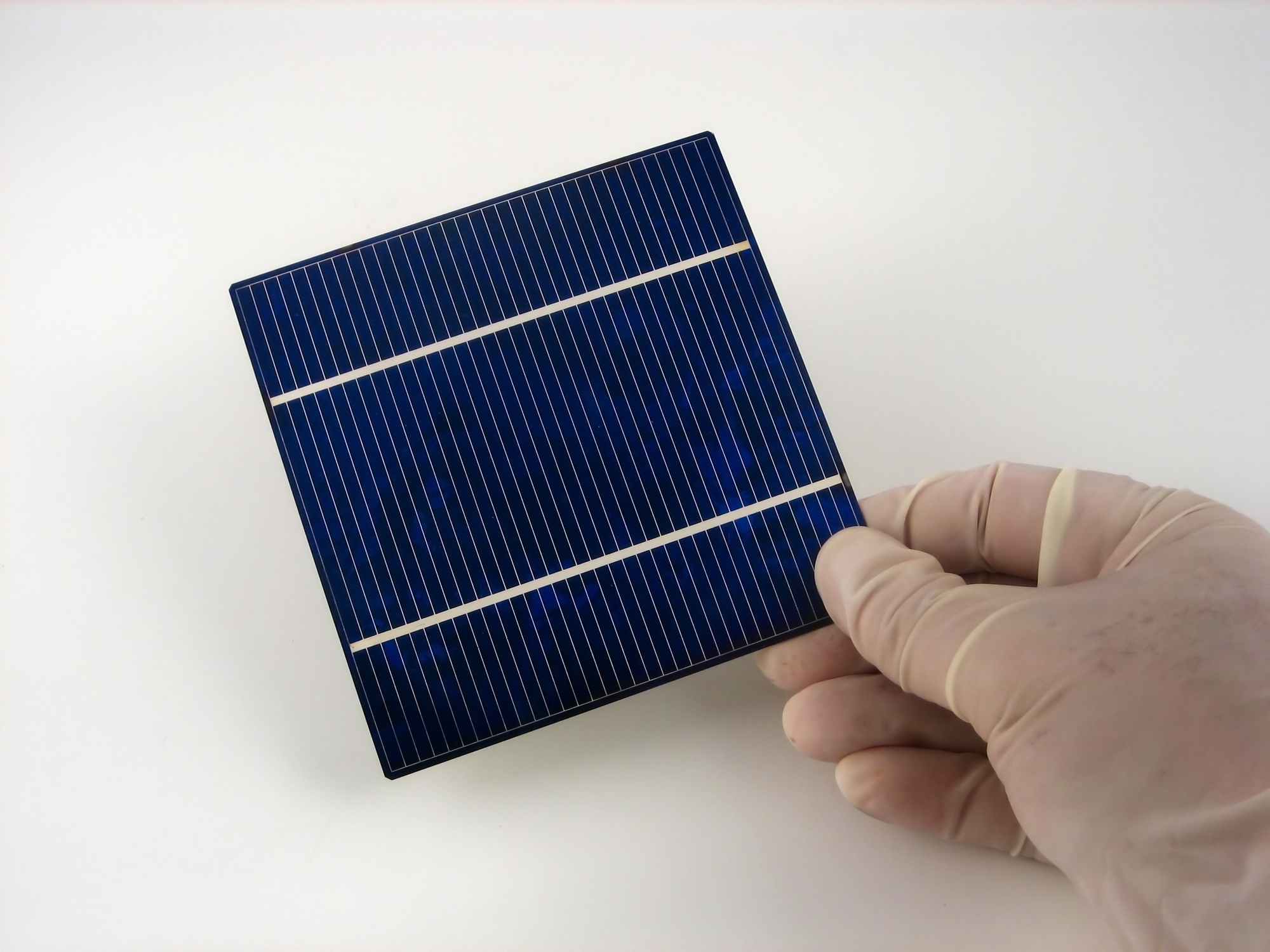
- Antique Musket Balls Repurposed Into Solar Cells with 94% Efficiency
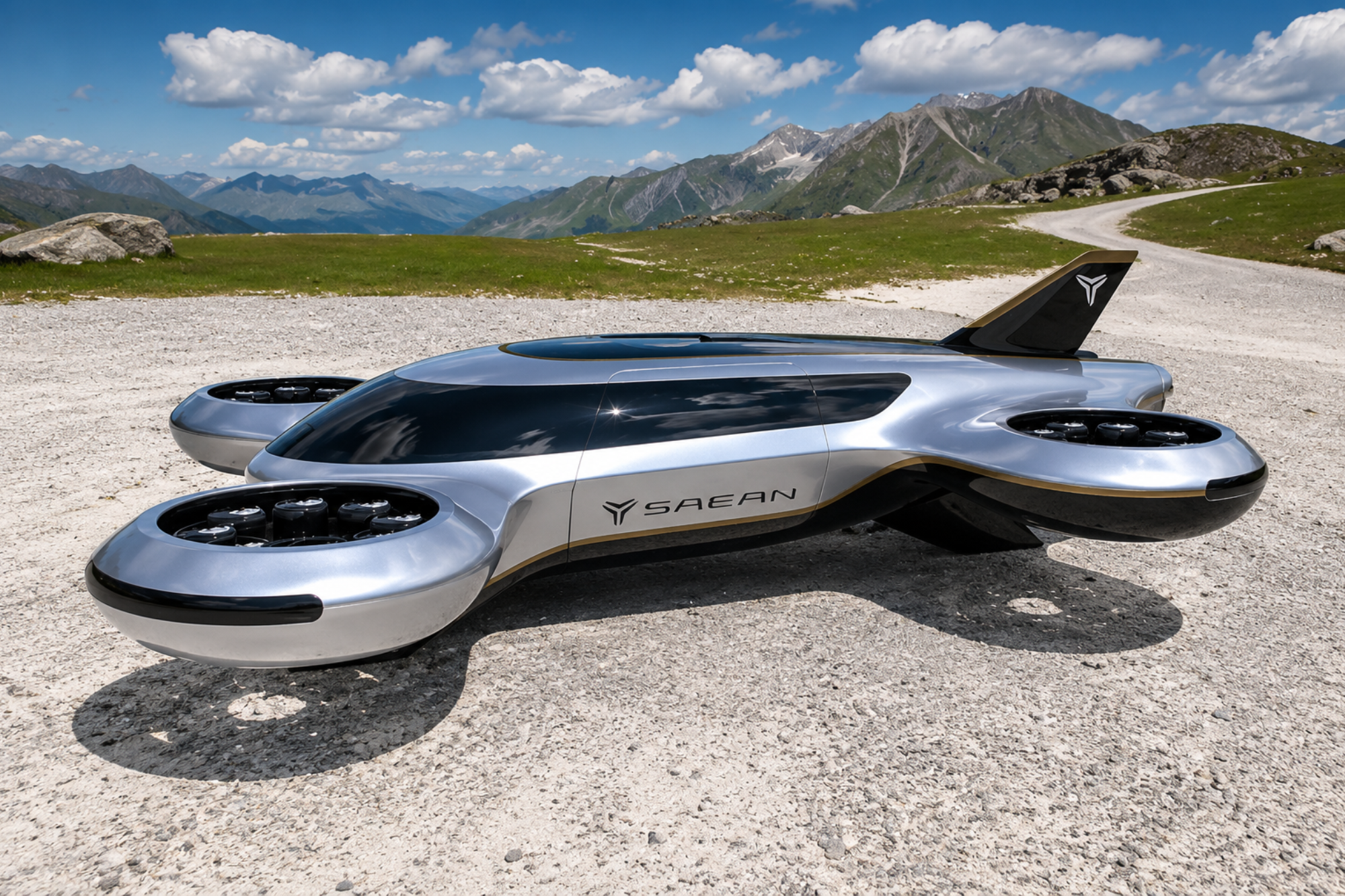
- South Korea Patents a Silent Engine for Air Taxis
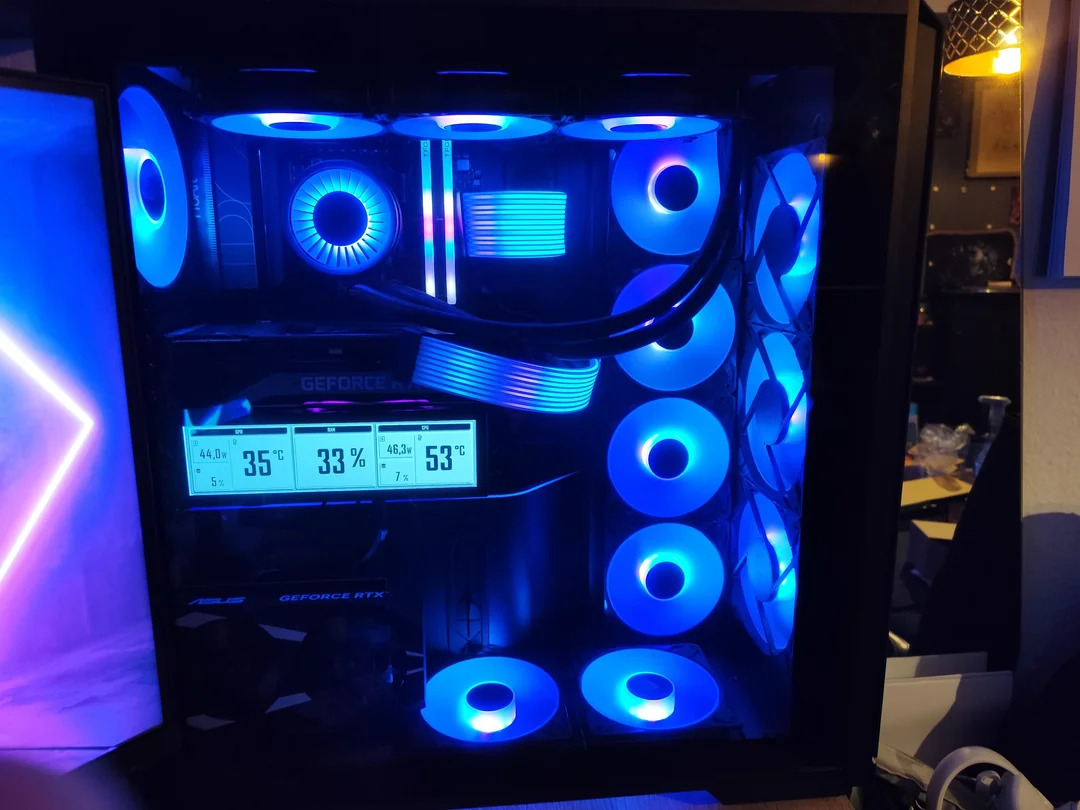
- 144 FPS at 4K: A Gamer Pairs an RTX 3090 and RTX 3050 for Stunning Performance
- Snapdragon 8 Elite Gen 5: Qualcomm’s New Chip Targets Sub-$600 Smartphones
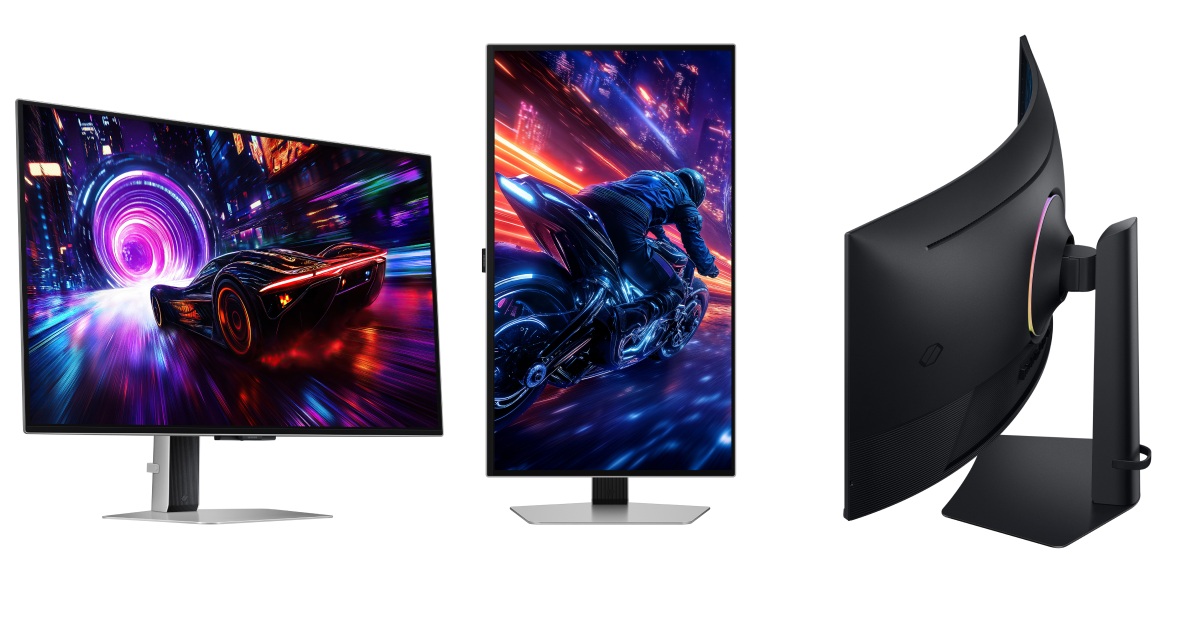
- Samsung Unveils Three New Odyssey Gaming Monitors: Specs and Features Revealed
- Plastic Waste Converted into Jet Fuel: New Breakthrough by Chinese Researchers