Russia's Telegram Ban Exposes a Divided Government.

Elite Political Rifts Surface
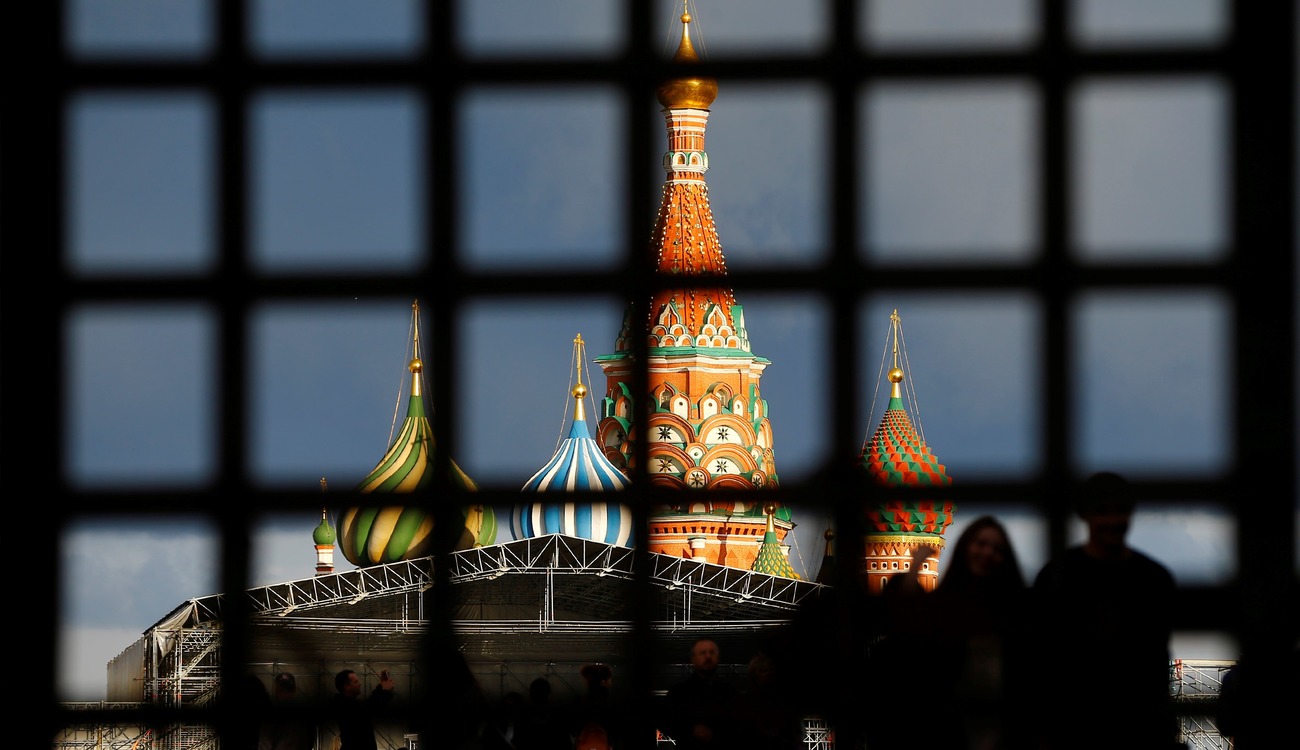
According to UATV: The ongoing effort to block Telegram in Russia has revealed a significant split within the country's political elite. While some officials support the ban, others are firmly opposed, a division driven by competing views on information control and financial interests. Russian journalist Alexey Levchenko observes that these conflicting approaches to Telegram within the government highlight deep-seated contradictions on the issue. This internal debate reflects a broader global struggle between state security concerns and digital communication freedoms.
Levchenko specifically notes the difficulties in migrating users to alternatives, quoting him:
"It's going very poorly to lure people over to Max (a maximal analog of Telegram),"- Alexey Levchenko. This points to the challenges of replacing a popular platform with a state-backed alternative. He also suggests that a recent statement by Sergey Mironov, head of the 'A Just Russia' faction, was not coincidental. According to Levchenko, a second influential group within the Kremlin is overseen by Sergey Kiriyenko, the deputy head of the presidential administration.
Government Strategy and Its Implications
Despite the internal conflict, the overarching government strategy appears defined. Levchenko describes it as:
"This is a strategy for building a sovereign internet in Russia,"- Alexey Levchenko. The internal disagreements among political circles could, however, hinder the implementation of this strategy, which would significantly reshape the country's information landscape.
The Telegram blockade saga underscores the complex dynamics of Russian politics, where elite factionalism can have serious consequences for the information space. If these internal conflicts intensify, they could lead to shifts in the state's strategy for controlling the internet and media. Monitoring these developments will be crucial for understanding the future direction of information policy in Russia, a key concern for observers of digital rights and geopolitical influence.
Read also
- Zelensky and Top Military Command Outline Response Plan to Russian Strikes
- EU's New Sanctions Package Targets Crypto Platforms Used to Bypass Restrictions
- New directives for Ukraine's National Security and Defense Council: Zelenskyy assigns tasks to Umerov and Klymenko
- Ukraine Extradites Former Lawmaker Demchak in Major Push to Bring Back Suspects
- EU Adopts 21st Sanctions Package Against Russia: What the New Restrictions Target
- Lithuania Accuses EU Nations of Undermining Sanctions for Their Own Economic Gain