Critical Enterprise Reservations: Salary Size Doesn't Determine Inclusion on Lists.


Reservation Policies for Critical Enterprises
According to Novyny.live: This article explores the conditions under which military-liable employees of Ukraine's critical enterprises can be granted reservation status, exempting them from conscription. Even individuals working in schools—where deferments already apply—may still be eligible for reservation if their role supports a critical infrastructure operator, underscoring the strategic importance of their work.
Qualification Criteria for Employee Reservations
Reservation is available to staff at Ukrainian companies officially designated as critically important. To earn this designation, a business must undergo a compliance check to ensure it meets specific infrastructure requirements. Only firms that satisfy these established criteria can leverage the option to reserve their workforce.
A reservation remains valid only as long as the employee stays with the company; it expires upon their dismissal. Notably, as of a policy update valid until September 1, 2026, a part-time worker employed at a 0.25 FTE rate is still counted in the total number of military-liable employees at a critical enterprise for quota calculations. According to Yuriy Ayvazyan,
“a part-time worker at 0.25 FTE is included in the overall count of military-liable staff at a critical enterprise for quota purposes. The fact that they work a 0.25 FTE rate does not affect the quota.”
The Ukrainian government has also revised the reservation criteria for critical enterprises, raising the minimum salary requirement to nearly 26,000 hryvnias. These changes aim to ensure more efficient resource allocation and to support businesses that play a vital role in the national economy.
The updated rules for reserving military-liable employees at Ukraine's critical enterprises highlight the need to maintain stability and operational continuity of key infrastructure during wartime. Higher salary thresholds and stricter qualification standards may incentivize companies to improve working conditions and boost productivity. In turn, this could help drive the country's economic recovery amid ongoing crisis challenges.
Read also
- Zelensky and Top Military Command Outline Response Plan to Russian Strikes
- EU's New Sanctions Package Targets Crypto Platforms Used to Bypass Restrictions
- New directives for Ukraine's National Security and Defense Council: Zelenskyy assigns tasks to Umerov and Klymenko
- Ukraine Extradites Former Lawmaker Demchak in Major Push to Bring Back Suspects
- EU Adopts 21st Sanctions Package Against Russia: What the New Restrictions Target
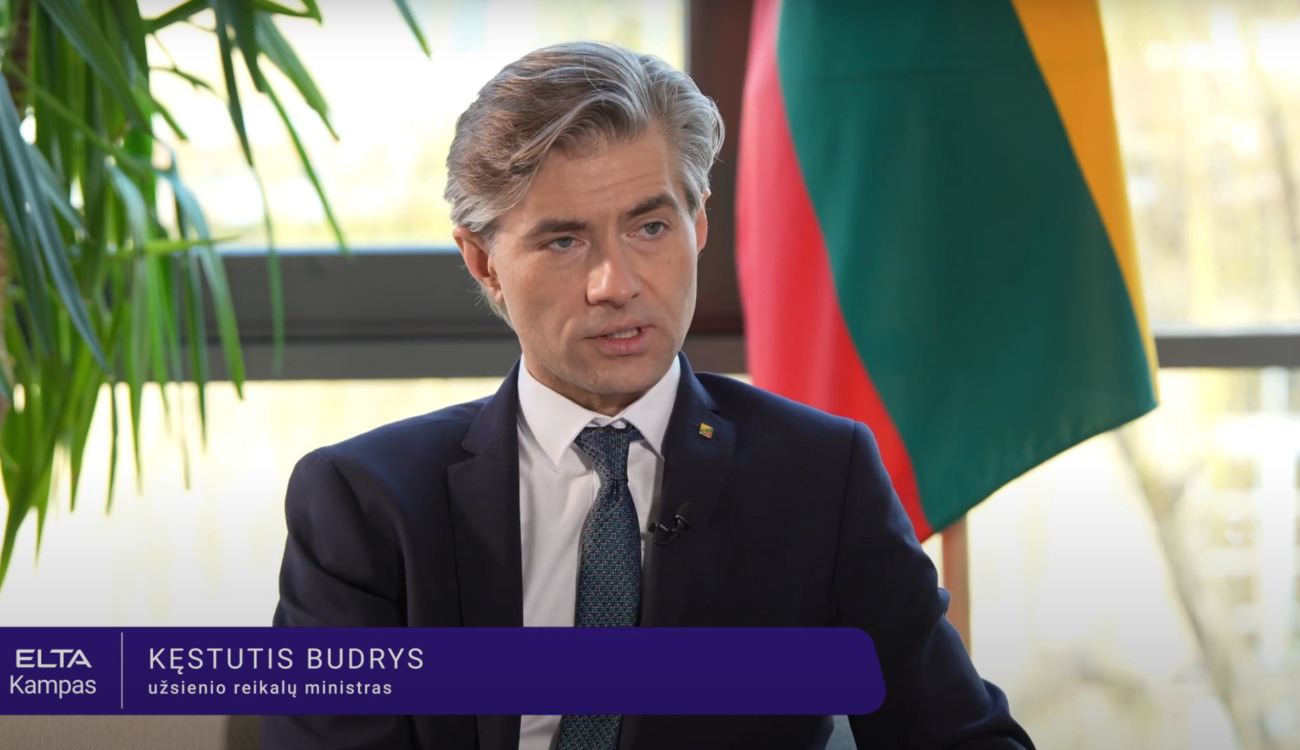
- Lithuania Accuses EU Nations of Undermining Sanctions for Their Own Economic Gain