Why Mobilization Exemptions for Workers May Remain Incomplete.

Understanding Incomplete Mobilization Exemption Procedures
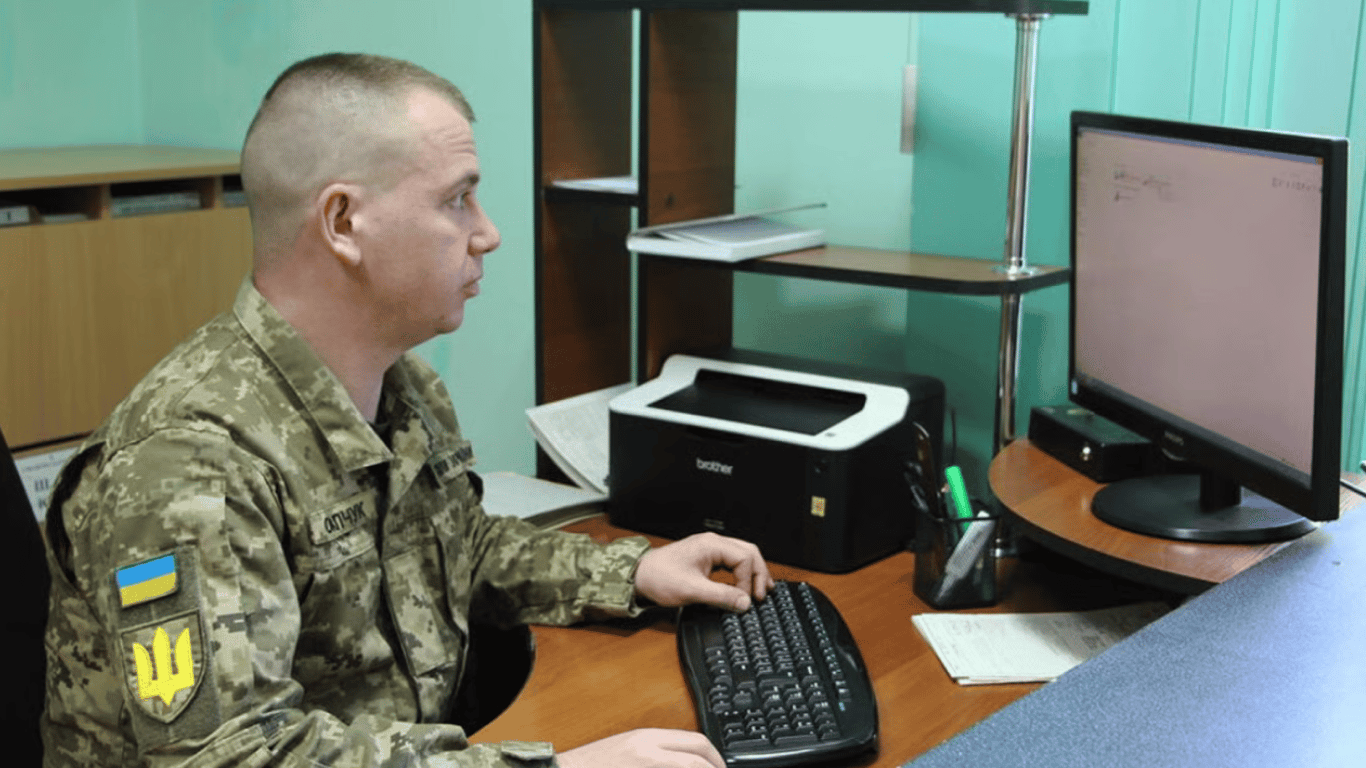
According to Novyny.live: Employees of critically important enterprises can be exempted from military call-up based on Cabinet of Ministers Decrees No. 45 and No. 76, each of which stipulates a different procedure. This system is vital for maintaining the operation of key economic sectors during a period of national emergency, such as the current war. The distinction between the two decrees is crucial for both workers and their employers.
If an exemption is processed under Decree No. 76, the procedure is automatic and does not involve the Territorial Recruitment Centers (TRCs). This simplifies the process significantly for the eligible personnel.
However, the process is more complex under Decree No. 45. In this case, if the TRC has not yet placed an individual on a special register, the exemption procedure is considered incomplete. As expert Yuriy Aivazian noted,
“If we are talking about Cabinet Decree No. 45 and the TRC has not yet registered you, it means the reservation procedure is not finished.”This leaves the individual potentially liable for mobilization due to the unfinished process.
The Critical Need to Grasp the Procedures
Therefore, understanding the difference between these two decrees and their respective procedures is essential. A worker's exemption status and their ability to avoid call-up depend entirely on which decree applies and whether its specific steps have been finalized.
Under martial law and ongoing mobilization, securing exemptions for staff is a top priority for both businesses and the state. Navigating the nuances of the different decrees allows companies to plan more effectively and ensure operational resilience. This situation underscores the necessity for clear communication between employees, their companies, and the recruitment authorities to prevent misunderstandings and mobilization risks.
Read also
- Zelensky and Top Military Command Outline Response Plan to Russian Strikes
- EU's New Sanctions Package Targets Crypto Platforms Used to Bypass Restrictions
- New directives for Ukraine's National Security and Defense Council: Zelenskyy assigns tasks to Umerov and Klymenko
- Ukraine Extradites Former Lawmaker Demchak in Major Push to Bring Back Suspects
- EU Adopts 21st Sanctions Package Against Russia: What the New Restrictions Target
- Lithuania Accuses EU Nations of Undermining Sanctions for Their Own Economic Gain