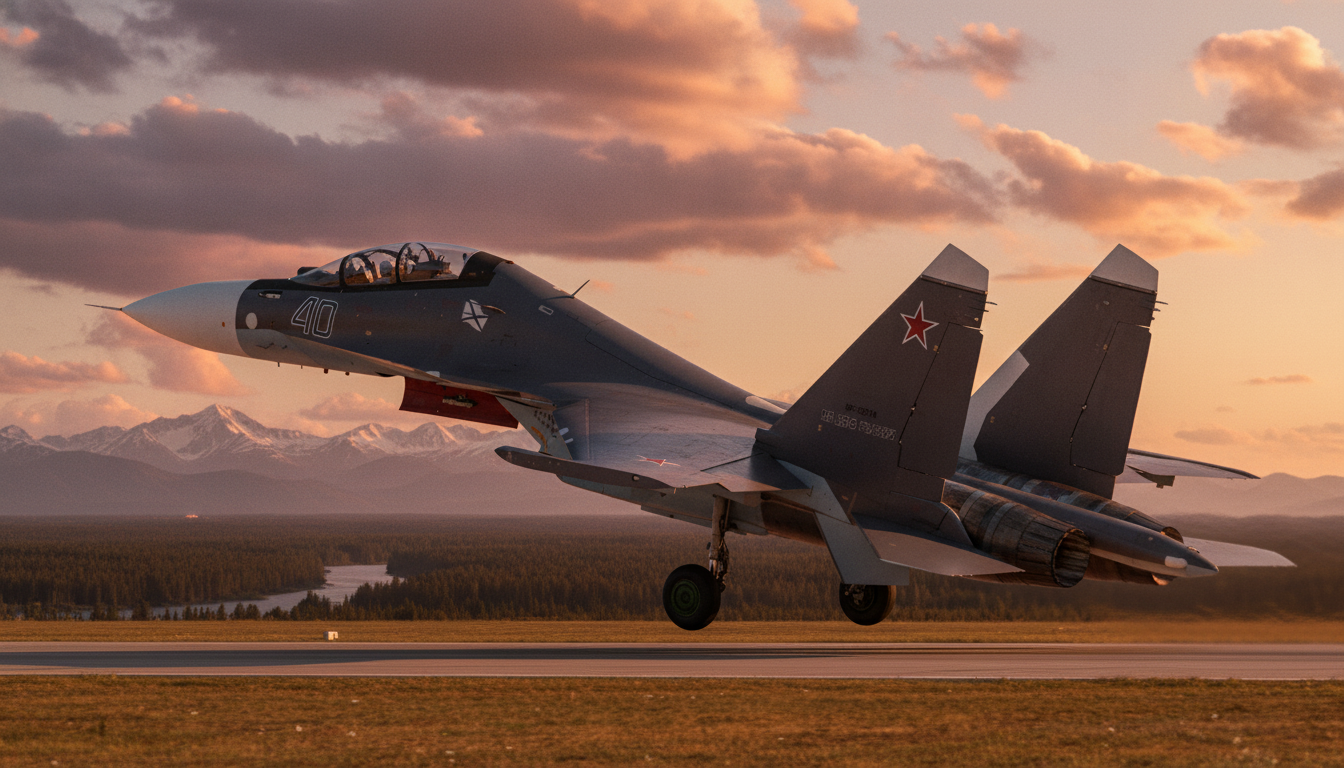
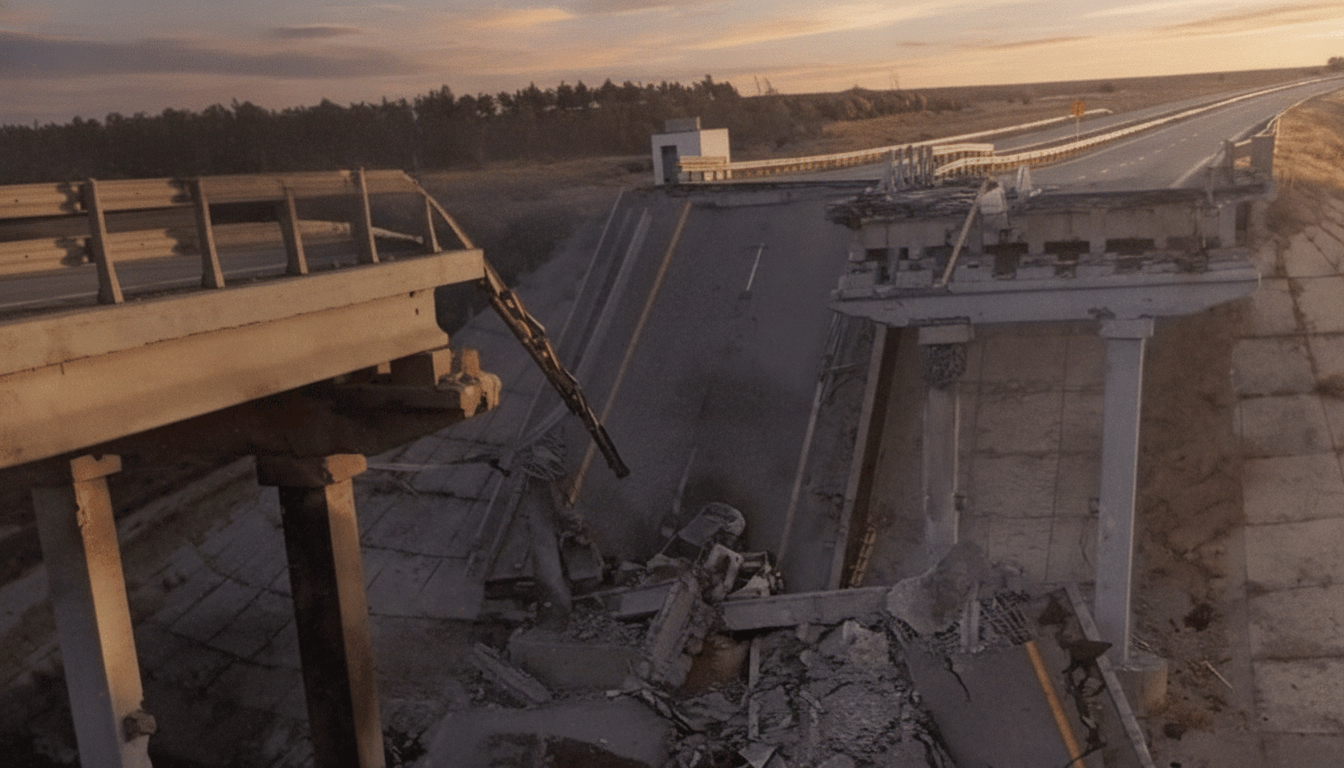
Russia prepares to attack NATO: which region is called the Achilles' heel of the alliance.

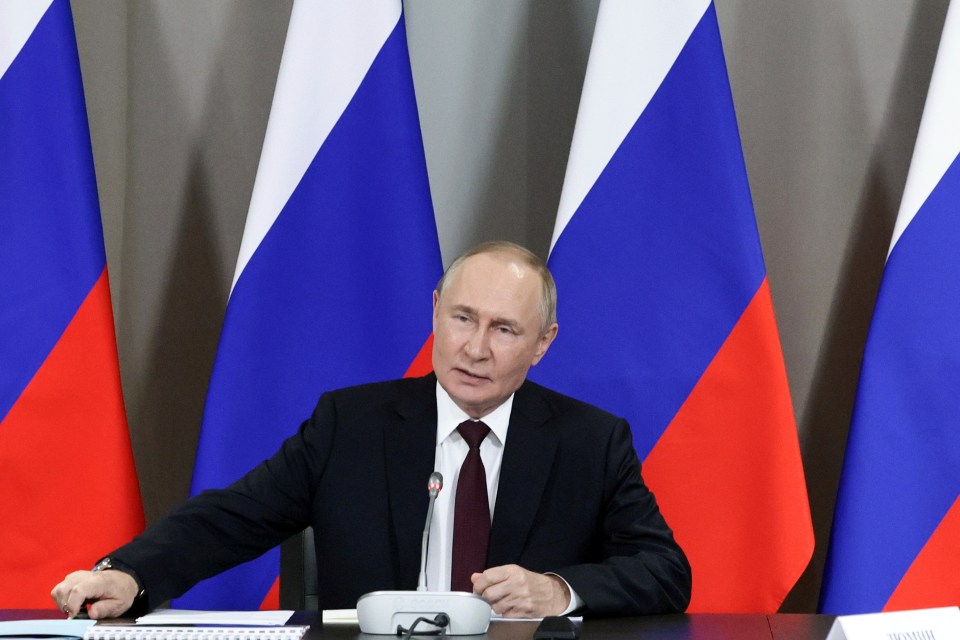
An overview of Putin's invasion plans
According to The Sun: While Putin's war in Ukraine continues with no signs of ending, The Sun analyzes hidden signals concerning the Russian despot's preparations for an attack on NATO's 'Achilles' heel.'
In a new series, 'Battle Plans Revealed,' former intelligence officer Philip Ingram examines alarming signs regarding the movement of Russian troops.
Philip Ingram analyzes the movement of Russian troops on the border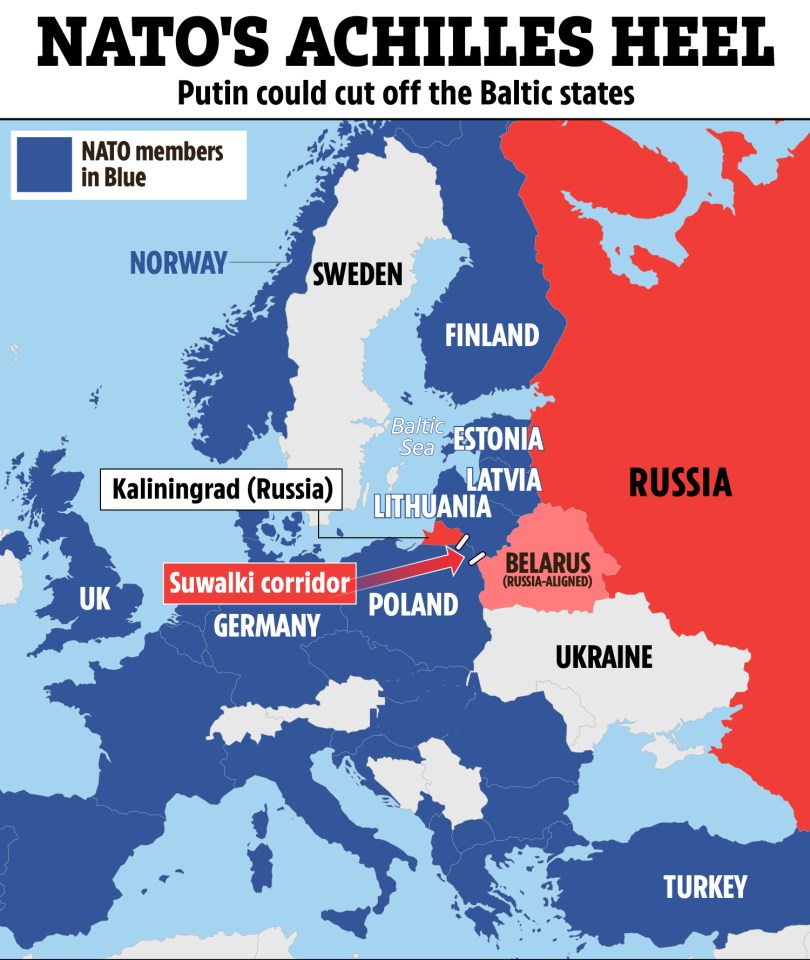 Reuters
From transporting blood supplies to flights of Russian spy planes over Western countries — these factors raise serious concerns in Europe.
In his investigation, Ingram carefully analyzes several alarming signals indicating Putin's preparations for an attack on NATO.
Watch the new episode on The Sun's YouTube channel...
The Suvalki Corridor is considered the most vulnerable point; it has been dubbed NATO's 'Achilles' heel.'
This corridor is a narrow strip of land 60 miles long between Poland and Lithuania, which is the shortest distance between the Russian exclave of Kaliningrad and Belarus, Putin's ally.
Controlling this corridor would effectively cut off the Baltic states — Lithuania, Latvia, and Estonia — from their NATO allies.
“We are witnessing an increase in the Russian military presence in the Kaliningrad region and Belarus; we observe sudden military exercises and unusual troop movements,” Ingram notes.
The military analyst also explains that potential threats to the Baltic states must be compared to the moments before the invasion of Ukraine.
Ingram also examines hybrid warfare, detailing a series of threatening strategies that Moscow has employed in recent years.
Anything resembling a significant troop buildup on the Ukrainian border before the war in 2022 should be taken as a serious warning sign, he adds.
He also discusses the mass propaganda campaigns regularly conducted by Kremlin agencies to prepare the ground for future attacks.
The geopolitical analyst talks about methods of economic pressure, attacks on communications, and the spread of misinformation in both online spaces and real life.
It may seem boring, but Ingram emphasizes the importance of logistical planning for preparing for an invasion.
He points out that the movement of fuel, vehicles, and other military assets may indicate a possible upcoming invasion.
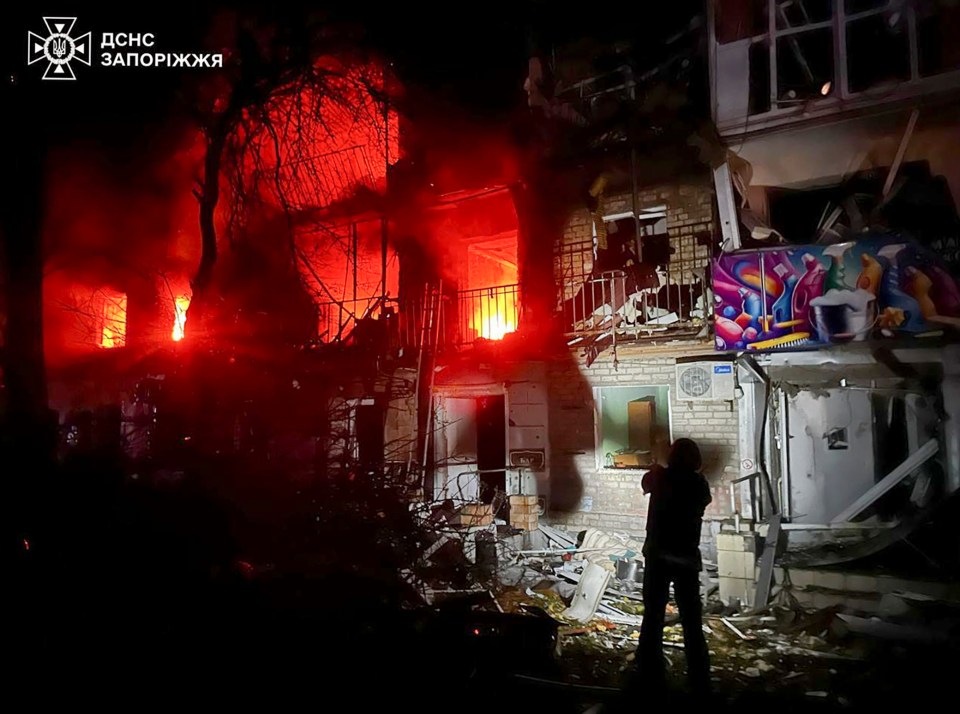
On Sunday morning, four people, including a baby, died as a result of the largest drone attack in the entire war.
A 32-year-old woman and her two-month-old son were found dead in Kyiv, where dozens of people were injured due to a strike on the main administrative building of the capital.
 AFP
AFP
This tragedy occurred after a meeting between Putin and his Chinese and North Korean counterparts earlier in the week.
The President of China warned that the world will soon face a choice between 'peace and war,' highlighting the intention to establish a new world order together with North Korea and Russia.
The celebration attracted 50,000 spectators, including 26 international leaders, who observed the 80th anniversary of the end of World War II in China.
Reportedly, cutting-edge technologies such as laser weapons, hypersonic missiles, robotic dogs, and various modern drones were showcased to send a message to the West.
This comes amid new threats from Moscow, following mass missile attacks using no less than 157 drones and several missiles that struck ten targets in Ukraine.
According to reports, Ukrainian forces were able to inflict significant damage on Russian military and oil installations.
There are also reports of damage to ammunition storage facilities in the Russian-controlled Luhansk region.
Reuters
A shocking new map of Ukraine was spotted on the wall behind the closest military generals of Putin. It has raised concerns about Russia's future actions.
This map unexpectedly depicts two additional regions of Ukraine as part of Russian territory, significantly exceeding previous estimates.
EPA
These events indicate a continuing escalation of the situation in the region, as well as Russia's readiness for further aggressive actions. It is crucial to monitor developments, as they can significantly impact the security of European states and global stability.
It is important to consider that the conflict in Ukraine has already lasted over a year, and this atmosphere of tension continues to be fueled by incidents such as the latest missile strikes. All these factors raise doubts about the possibility of a swift end to the war and keep the region in uncertainty.
Read also
- Satellite Imagery Reveals Anti-Drone Cages Installed on Russian Submarines in Novorossiysk
- Seven Aircraft Destroyed in Strike on Saky Airfield, Ukraine Intensifies Crimea Campaign
- Ukraine Seizes the Offensive: Former U.S. Envoy Analyzes Strikes on Russia’s Energy Grid
- Denmark Unveils Its Largest Military Aid Package for Ukraine Yet: A Staggering Amount
- Half of Russia’s Crimean Air Fleet Destroyed by Ukrainian Drones, Grounding a Key Regiment
- Ukrainian Forces Strike Crimea: Bridges, EW Station, and Russian Intelligence Hit