A Guide to Legally Trimming or Removing Boundary Trees.

Ownership of Trees on Property Lines
According to Novyny.live: This article examines the legal ownership of trees growing on the boundary between land plots and the rules for trimming or removing them under Ukrainian law. According to Article 373 of the Civil Code of Ukraine, ownership of a land plot extends to the perennial plantings located on it. This grants landowners the legal right to use and manage the vegetation growing on their property.
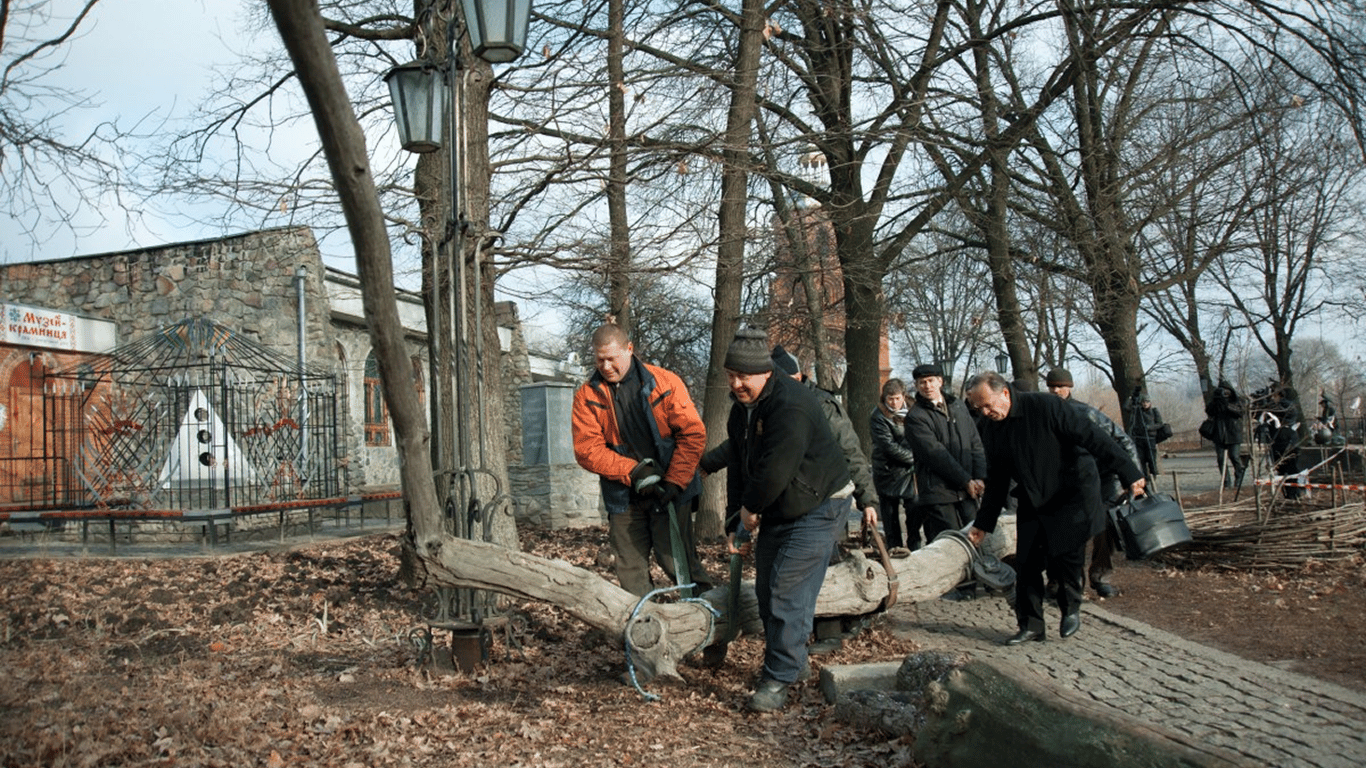
Article 105 of the Land Code of Ukraine provides that landowners may trim the branches and roots of trees encroaching onto their territory if they cause an obstruction. This rule helps prevent neighborly disputes by allowing individuals to protect their interests and comfort on their own land. However, if a tree is situated directly on the boundary line, it is considered the common property of both neighbors. In such cases, the costs for removing a shared tree are split equally between the owners, unless one of them formally renounces their rights to it. Property line disputes over trees are common in many jurisdictions, often requiring a clear understanding of local laws.
Legal Framework and Required Documentation
Therefore, ownership of boundary trees is subject to a clearly defined legal framework. Landowners must consider the legislative norms governing their rights and obligations to avoid potential conflicts and misunderstandings. It is also crucial to have the proper documentation on hand, such as:
- an inheritance certificate,
- a state act of ownership,
- an extract from the State Land Cadastre,
- or a lease agreement.
The legal regulation of boundary tree ownership is a vital aspect of ensuring peaceful coexistence between neighbors. Understanding one's rights and responsibilities helps prevent conflicts that can arise from misinterpretations of the law. Landowners should be mindful of these rules to foster harmonious relationships and avoid future legal disputes.
Read also
- War Transformed Her Life: Donetsk Teacher Creates Ukraine’s Largest Embroidered Shirt
- Kids Pick a Backpack in Seconds: What School Bags Must Offer in 2026
- Why Displaced Residents of Mariupol Face Barriers to Housing Compensation
- Kyiv Electric Train Prices Increase from July 22: Fare Will Rise to 37 Hryvnias
- Russia Fines Residents for Storing Gasoline in Garages Amid Fuel Shortages
- Why Internally Displaced People in Ukraine Can't Get Mortgages: A Key Obstacle Identified