Checkout Price Higher Than Shelf Tag: What Shoppers Can Do About It.

Why Accurate Pricing Matters for Consumers
According to Novyny.live: In Ukraine, the State Service for Food Safety and Consumer Protection stresses that stores must sell items at the price displayed on the shelf tag. This rule, rooted in Article 15 of the Law of Ukraine 'On Consumer Protection,' guarantees buyers access to truthful product information before they make a purchase. For English-speaking readers, similar protections exist in many countries, but enforcement and awareness can vary.
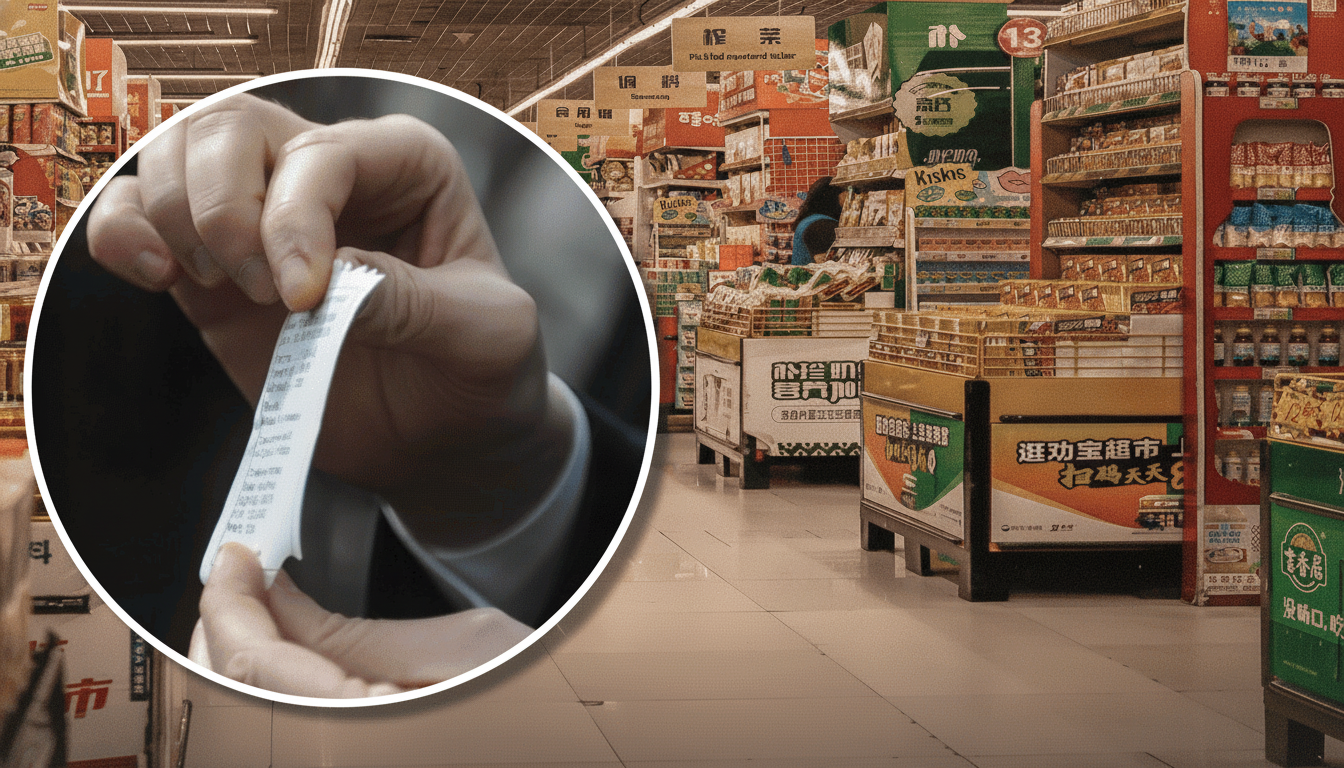
Shelf tags should present clear pricing, and when ambiguity arises, the law sides with the consumer. This means if a shopper sees one price on the shelf but is charged a different amount at the register, it may justify a formal complaint. The State Service notes,
“unfortunately, it is very common for a consumer to see a certain price on a product’s shelf tag and expect to pay that amount, only to find at checkout that the price is different—typically higher.”
Steps to Take When Your Rights Are Violated
If the price at the register does not match the shelf tag, consumers have the right to take specific actions to defend themselves:
- Document everything to build a solid case.
- Call for store management to address the issue on the spot.
- As a final measure, report the violation to oversight bodies, such as Ukraine's State Service for Food Safety and Consumer Protection.
Enforcing pricing rules is a key part of consumer protection, and when stores follow them, it fosters trust between buyers and sellers. It is crucial for shoppers to know their rights and act when those rights are breached.
This situation highlights the need for active oversight of consumer protection laws. Retailers must keep their shelf tags accurate, while consumers should stay informed about their entitlements. How regulatory bodies respond to violations can shape the overall quality of service in stores and help reduce pricing discrepancies.
Read also
- 2026 Back-to-School Grant: Families to Receive 5,000 UAH per Child
- Pension Bonus for Mothers of Large Families Set to Exceed 1,000 Hryvnias in 2026
- Fines and Criminal Charges Await Ukrainian Anglers: New Fishing Bans Take Effect in 2026
- The 21st Century Neo-Luddites: How Social Media Is Damaging Minds and Relationships
- Up to 2 Million Hryvnia in Housing Aid: Who Qualifies for Ukraine’s Certificate and Voucher Programs
- Ground Sinking Detected at National Military Cemetery Following Recent Burials