Russia’s Unprecedented Militarization of Youth: 780,000 Schoolchildren Now Enrolled in Cadet Programs.

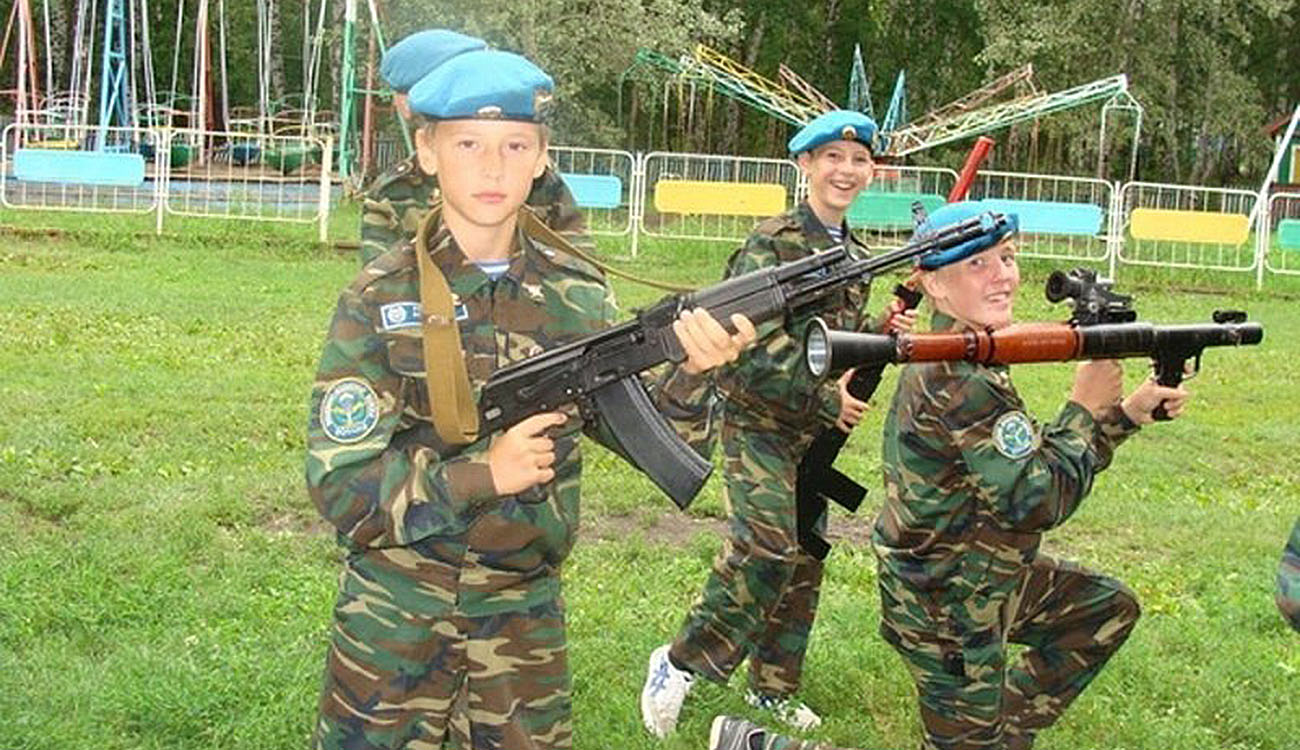
Militarizing Russia’s Children
According to UATV: Russia is militarizing its children on an unprecedented scale, signaling the Kremlin’s preparation for a prolonged war. According to Ukraine’s Center for Countering Disinformation, the number of children in cadet classes has nearly quadrupled, reaching 780,000 by 2025. This trend reflects a systematic ideological indoctrination of young people, actively implemented in the country’s educational institutions.
On average, schools across Russia and in temporarily occupied territories host about 250 meetings daily between war veterans and students. Over a year, this exceeds 45,000 encounters. Such constant exposure to military propaganda shapes teenagers’ worldviews and attitudes toward armed conflicts.
Additionally, Russian educational facilities have established over 18,000 military museums and exhibits, further driving the militarization of children. These spaces allow students to engage with Russia’s military history and achievements, influencing their self-identity.
State Control Over Youth
Another key element of this strategy is the state-run organization 'Dvizhenie Pervykh' (Movement of the First), through which the Kremlin controls over 11.7 million adolescents—more than half of Russia’s youth. This demonstrates a centralized approach to fostering a military mindset among the younger generation.
As a result, the militarization of children in Russia is becoming increasingly evident, raising concerns within the international community. The systematic infusion of military ideology into the country’s education system could have serious consequences for future generations.
This situation highlights not only internal shifts in Russian society but also potential far-reaching implications for regional security. Raising a new generation with a focus on military ideology may lead to further conflict escalation and heightened tensions in international relations. How this process is perceived abroad is also critical, as it could influence foreign policies toward Russia and overall security strategies.
Read also
- Three Ukrainians Without Documents Rescued from Occupied Territories Under Bring Kids Back UA Initiative
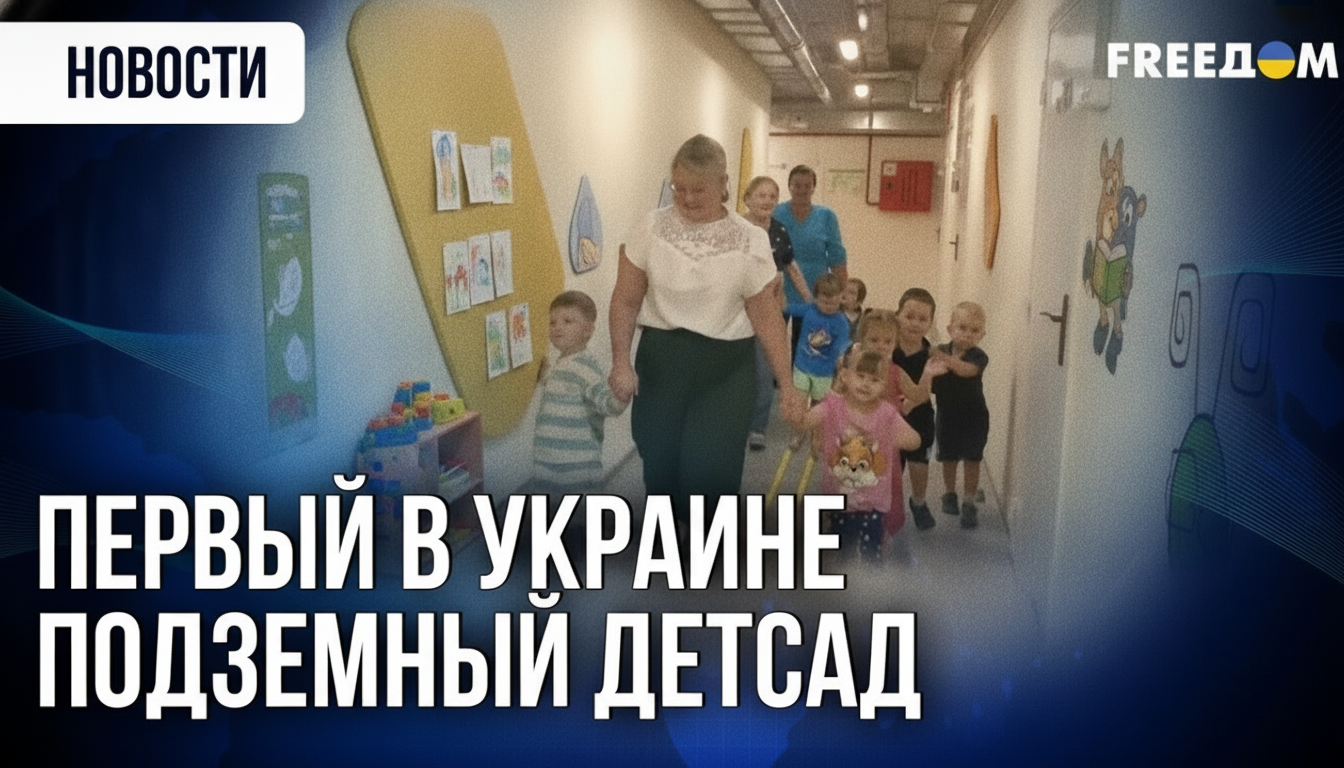
- Ukraine’s first underground kindergarten opens in Kharkiv, accommodating 260 children
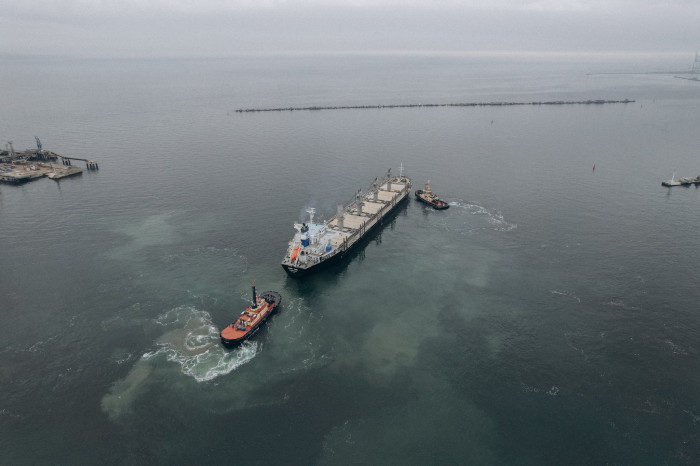
- Ukraine's ports crippled by Russian strikes: 28 vessels hit, 21 killed
- 24 Children Rescued from Occupied Territories by Save Ukraine, Including Injured 13-Year-Old Anhelina
- Woman Faces Up to 7.5 Years in Prison After Attacking Children for Speaking Ukrainian in Poland
- One of the Most Recognizable Voices on Ukrainian Radio, Journalist Oleksandr, Has Passed Away