The 21st Century Neo-Luddites: How Social Media Is Damaging Minds and Relationships.

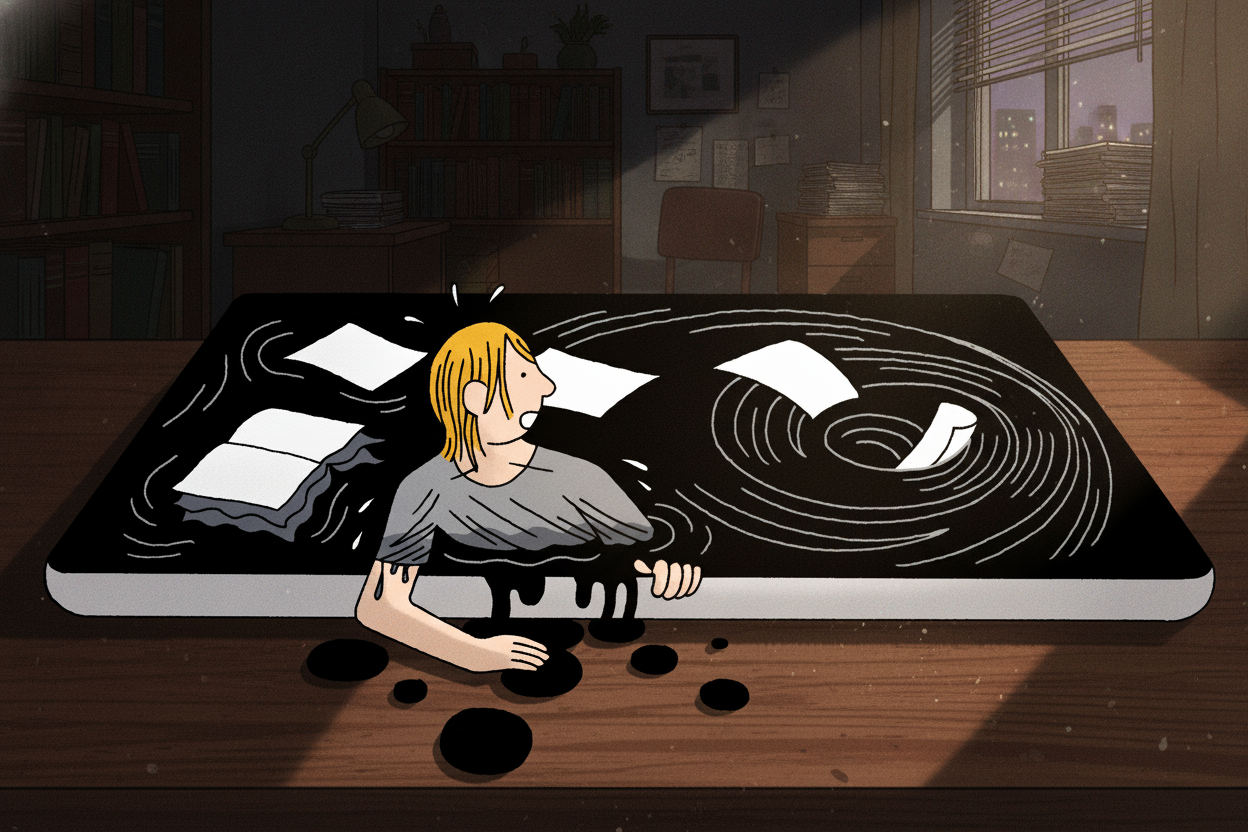
Social Media's Toll on Mental Well-Being
According to Vox - Загальний: The ongoing debate about social media's impact on mental health and social bonds remains highly relevant. While online activity can foster communication and help maintain connections, it also poses significant risks to users' psychological state. This discussion draws a parallel to the historical Luddite movement of the 19th century, which protested industrial automation—a comparison that resonates in today's technology-focused conversations.
The Luddite Movement in Context
In 19th-century England, Luddites were weavers who resisted new technologies that reduced wages and worsened working conditions. Their protests often involved destroying machinery that threatened their livelihoods. The British government responded harshly, even imposing the death penalty for machine-breaking. This movement serves as a historical analogy for modern anxieties about technology's effects on employment and social connections.
In June 2023, events called the 'Summer of Ludd' took place in New York, drawing attention to the Luddite legacy. Research from Princeton and Stanford has also shown that online discussions have minimal impact on changing opinions, highlighting the complexity of social media's role in shaping public discourse. This finding underscores the broader debate about technology's place in contemporary society.
As Brian Merchant noted, 'They would come through windows or hold a supervisor at gunpoint and methodically break only those machines that de-skilled their labor.'
This quote illustrates how fear of losing professional expertise can drive protest. In today's world, as social media's popularity surges, questions about its influence on mental health and social ties remain unresolved and demand further investigation.
Ultimately, modern social media—like past technologies—sparks concerns about its effect on people's lives. Studies in this area highlight the need for a deeper analysis of both the positive and negative aspects of online communication. Understanding these issues can inform strategies to improve mental health and social bonds in the digital age.
Read also
- Three Ukrainians Without Documents Rescued from Occupied Territories Under Bring Kids Back UA Initiative
- Ukraine’s first underground kindergarten opens in Kharkiv, accommodating 260 children
- Ukraine's ports crippled by Russian strikes: 28 vessels hit, 21 killed
- 24 Children Rescued from Occupied Territories by Save Ukraine, Including Injured 13-Year-Old Anhelina
- Woman Faces Up to 7.5 Years in Prison After Attacking Children for Speaking Ukrainian in Poland
- One of the Most Recognizable Voices on Ukrainian Radio, Journalist Oleksandr, Has Passed Away