Electric Vehicles Lag in Top Speed: Why This Is the Case and Should We Be Worried.


Electric vehicles accelerate faster but fall short of internal combustion engine vehicles in maximum speed. This is reported by Slash Gear.
Difference Between Engines
Electric vehicles have only one gear for forward motion, allowing them to accelerate very quickly from a standstill. Internal combustion engine vehicles use multi-speed transmissions, enabling them to reach higher top speeds. Electric cars typically cannot achieve such speeds as their engines operate at high RPMs without gears.
Limitations of Electric Vehicles
Often, electric vehicles have a limited maximum speed due to the substantial weight from batteries and the lack of multi-speed transmissions. Manufacturers also aim to protect batteries from overheating and degradation, so efficiency and range take priority over top speed.
Fastest Electric Vehicles
Some manufacturers create fast electric vehicles, sacrificing range and efficiency. Currently, one of the leaders in speed among electric cars is the Rimac Nevera, which can reach speeds of up to 415 km/h. The renowned hypercar Aspark Owl EV also achieved a maximum speed of 439 km/h.
Electric vehicles can accelerate quickly due to a single gear, but they lag behind internal combustion engine vehicles in top speed due to the absence of multi-speed transmissions.
Read also
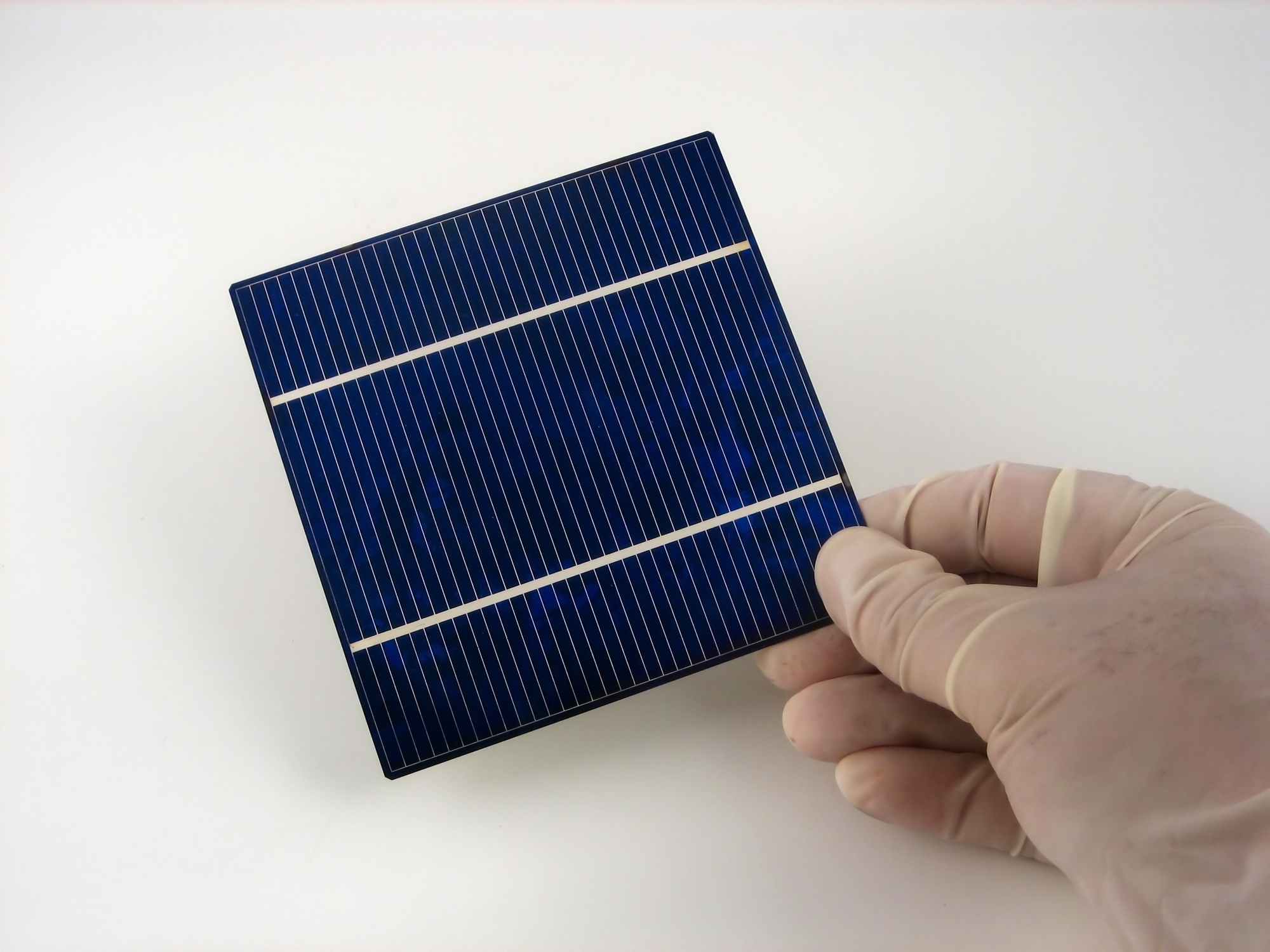
- Antique Musket Balls Repurposed Into Solar Cells with 94% Efficiency
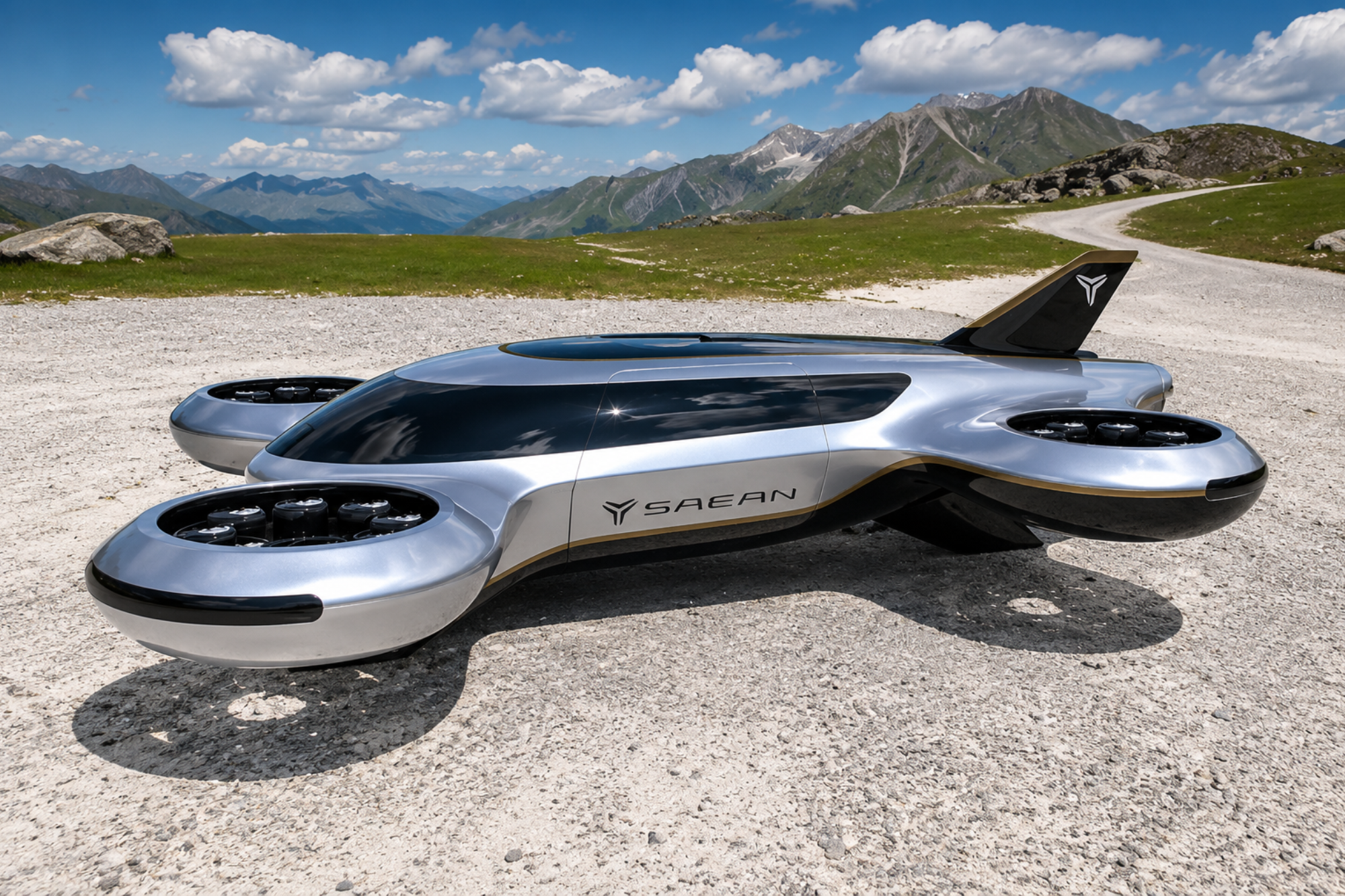
- South Korea Patents a Silent Engine for Air Taxis
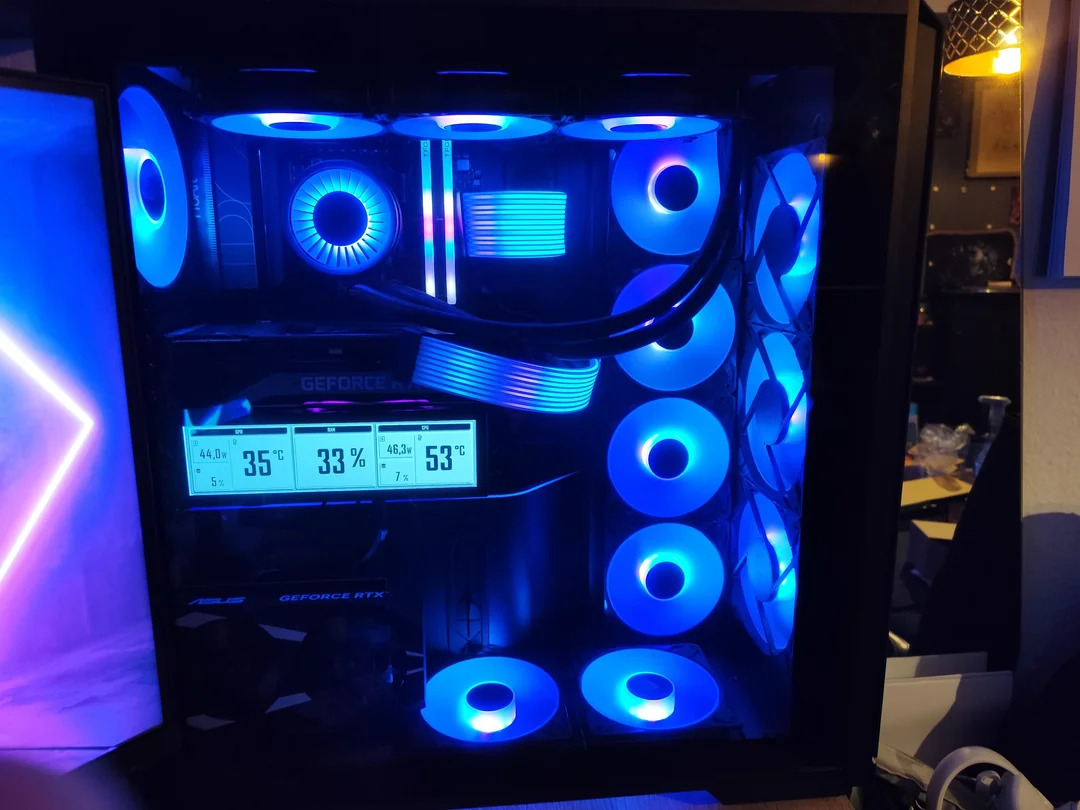
- 144 FPS at 4K: A Gamer Pairs an RTX 3090 and RTX 3050 for Stunning Performance
- Snapdragon 8 Elite Gen 5: Qualcomm’s New Chip Targets Sub-$600 Smartphones
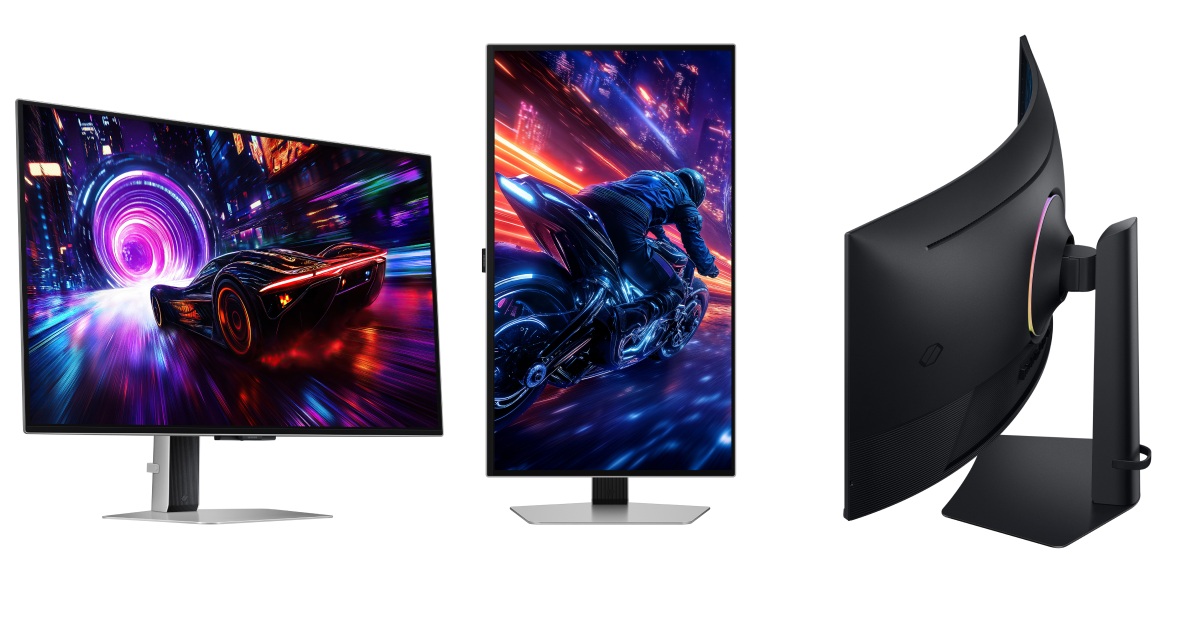
- Samsung Unveils Three New Odyssey Gaming Monitors: Specs and Features Revealed
- Plastic Waste Converted into Jet Fuel: New Breakthrough by Chinese Researchers