Dieticians named 6 healthiest canned foods: what you must have at home.

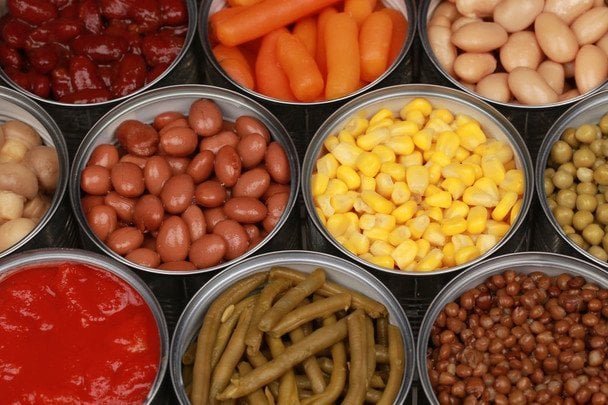
According to ТСН: Canned products are a convenient and accessible option that can be just as nutritious as fresh ones. Therefore, dieticians recommend having a few essential canned goods stocked in your pantry.
Helpful canned foods to have at home
1. Canned beans
Canned beans are ready to eat without any additional preparation, making them an easy addition to various dishes and salads. Dieticians note that they are beneficial for heart health, digestion, and weight control.
This product is rich in protein, iron, fiber, magnesium, potassium, zinc, and folate.
Since the sodium content in canned beans can be high, it is recommended to drain the liquid and rinse the beans, which reduces the sodium level by 40%. You can also choose low-sodium options.
2. Canned tomatoes
Tomatoes contain lycopene—a powerful antioxidant that supports heart health, reduces inflammation, alleviates constipation, and lowers the risk of type 2 diabetes.
In addition to lycopene, canned tomatoes are rich in vitamin C, potassium, and magnesium. They can be used in soups, stews, or sauces.
3. Canned pumpkin
Canned pumpkin is low in calories and a rich source of vitamin A and other essential nutrients. One cup of this product contains 7 grams of fiber and over 200% of your daily value of vitamin A.
Vitamin A supports eye health and reduces inflammation. Canned pumpkin is also rich in magnesium, iron, potassium, as well as vitamins C and E.
It is recommended to choose pumpkin without added sugars or sodium and to use it in various dishes.
4. Canned tuna
Fish canned products, especially tuna, are an excellent source of lean protein and omega-3 fatty acids, which are beneficial for the heart. It also contains calcium, vitamin D, selenium, and iron.
Canned tuna in water has fewer calories and fat than in oil. It is recommended to choose low-sodium options or 'salt-free' varieties.
5. Canned green beans
This popular vegetable is low in carbohydrates and calories but is rich in nutrients. One cup of cooked green beans provides nearly 4 grams of fiber and over 2 grams of protein, as well as vitamins C, B, and A. They can be used as a side dish or a main ingredient in casseroles, stir-fries, or soups.
6. Canned pineapple
When fresh pineapple is unavailable, canned can be a great alternative. A cup of canned pineapple contains almost 20% of the daily value of vitamin C, which supports immune function, iron absorption, wound healing, and metabolism.
It is recommended to choose canned pineapple in water or its own juice, avoiding syrup varieties with high sugar content. Since pineapple has a high glycemic index, it should be combined with protein-rich foods like yogurt or milk to control blood sugar levels.
How to include healthy canned foods in your diet
Although canned products sometimes have a bad reputation, many of them can actually be nutritious. However, it is essential to monitor sodium and sugar content.
Here are some tips for selecting and incorporating healthy canned foods into your diet:
- Choose products with low or no added sugar.
- Avoid canned fruits in syrup and prefer options canned in water or their own juice.
- Check the ingredient list for minimal ingredients, such as water and sodium.
- Rinse canned vegetables before cooking to control sodium.
- Avoid dents or damages on cans to reduce the risk of food poisoning.
Thus, canned products can be a great addition to your diet if chosen wisely. Keep these healthy items stocked in your pantry to always have tasty and nutritious options for quick meal preparation.
Healthy eating is not just about fresh products. Canned vegetables, fruits, and fish can also play an important role in your diet. A thoughtful approach to choosing canned products will help keep you in good shape with minimal effort.
Read also
- Why Drinking Water from a Plastic Bottle Left in Your Car Is a Dangerous Habit
- Heatwave Alert: 150 Million at Risk as Ukraine Faces Temperatures Up to 35°C
- Europe's Deadly Heat Wave: Over 1,300 Deaths and 150 Million at Risk
- Shingles Vaccine Linked to 20% Lower Dementia Risk: Four Pillars of Longevity
- Deadline June 30: What Happens to Ukraine’s 2000 Hryvnia Health Screening Payouts
- Medication Shortage in Ukraine Forces Cancer and Epilepsy Patients to Seek Treatment Abroad