Kyiv's Pre-Revolutionary Architecture: Shaping the City's Social Fabric.

The Legacy of Kyiv's Pre-Revolutionary Buildings
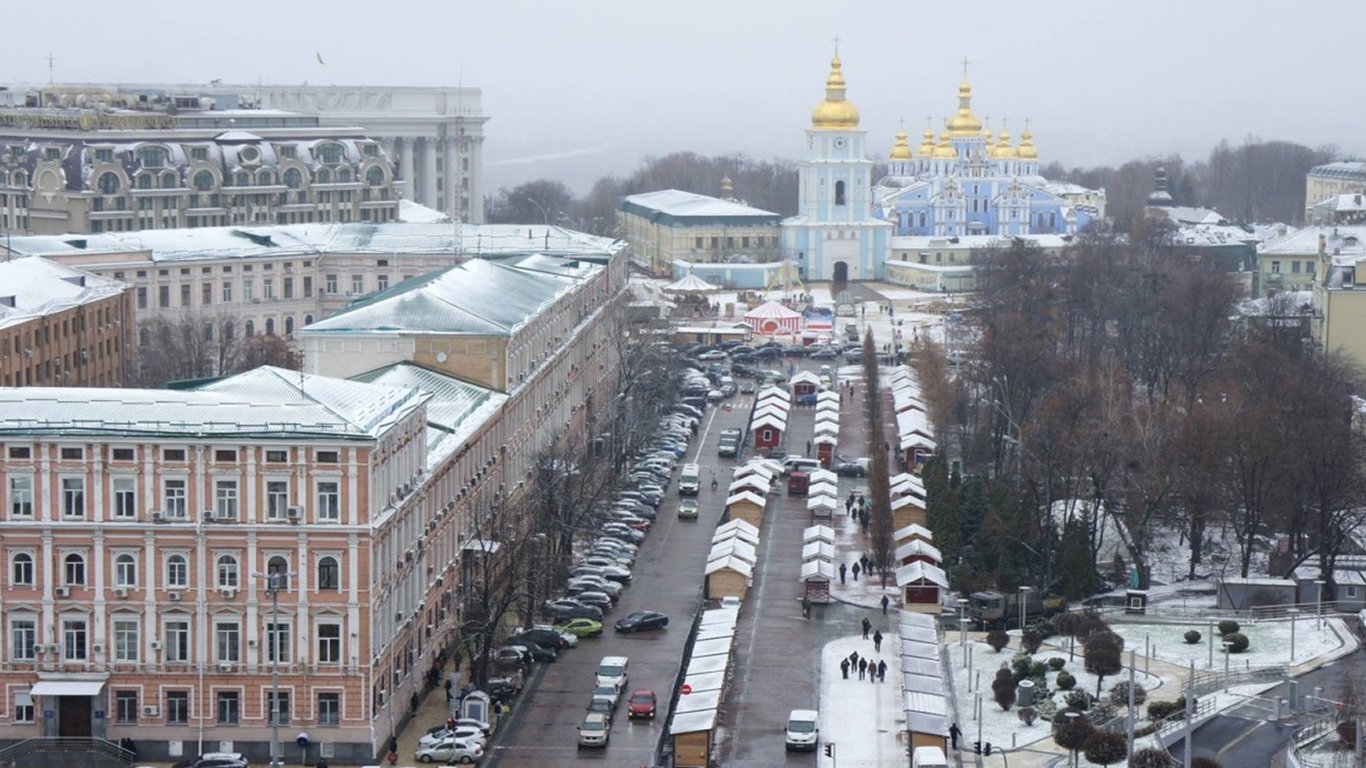
According to Novyny.live: Kyiv, the capital of Ukraine, is renowned for its historic buildings with unique architecture, which testify to a rich cultural heritage. These structures, preserved from the pre-revolutionary era, served not only as residences but also as crucial components of urban life, reflecting the status and social hierarchy of the time. For an English-speaking audience, it's helpful to know this period refers to the time before the 1917 Russian Revolution.
Tenement houses, constructed by wealthy entrepreneurs, were built for rental income. These buildings often became symbols of their owners' success, providing a steady financial return. In contrast, mansions were built for personal use without an income focus, allowing their owners to express individuality and social standing.
The Elite Districts of Historic Kyiv
Among the most prestigious districts of old Kyiv were:
- Lipky
- Upper Town
- Khreshchatyk
These areas became hubs of cultural and social life, attracting affluent residents. They concentrated not only elite residential buildings but also numerous cultural and public institutions.
“Pre-revolutionary construction was not merely housing; it was a true manifesto of status and wealth.”
— Mykhailo Polyntsev
Indeed, every building in Kyiv from that era was not just an architectural landmark but also part of the city's grand history, continuing to influence its character today.
The old houses of Kyiv that have survived to the present day offer a unique opportunity to immerse oneself in the atmosphere of the past and understand what life was like in the capital at the beginning of the 20th century. They remind us of the grandeur and diversity of architectural styles that shaped the urban environment and influenced social relations.
Kyiv's pre-revolutionary buildings not only preserve architectural heritage but also serve as important cultural and historical monuments. They help modern residents and tourists understand the socio-economic conditions in which the city developed and underscore the significance of architecture as a tool for expressing social relations. Preserving these structures is a vital step in maintaining Kyiv's cultural identity. Consequently, increased activity regarding the restoration and maintenance of historical monuments is becoming ever more relevant in the face of modern challenges.
Read also
- Bus Service to Poland via Shehyni Checkpoint to Halt for 18 Months Starting June 15, 2026
- Over 10 Odesa Beach Zones Certified and Ready for Summer Season
- Anticipating Summer Ticket Surge, Ukrainian Railways Shares Booking Tips
- Europe's Airports Face Six-Hour Queues: IATA Warns of New Crisis
- Malmo to Narvik by Night Train: Snälltåget Launches New Service with Fares and Schedule
- Ukrainians Struggle to Buy Train Tickets as Ukrzaliznytsia Rolls Out New Summer Schedule