Turkey Offers to Mediate Peace Talks, Erdogan Announces.

Turkey Ready to Facilitate Peace Settlement
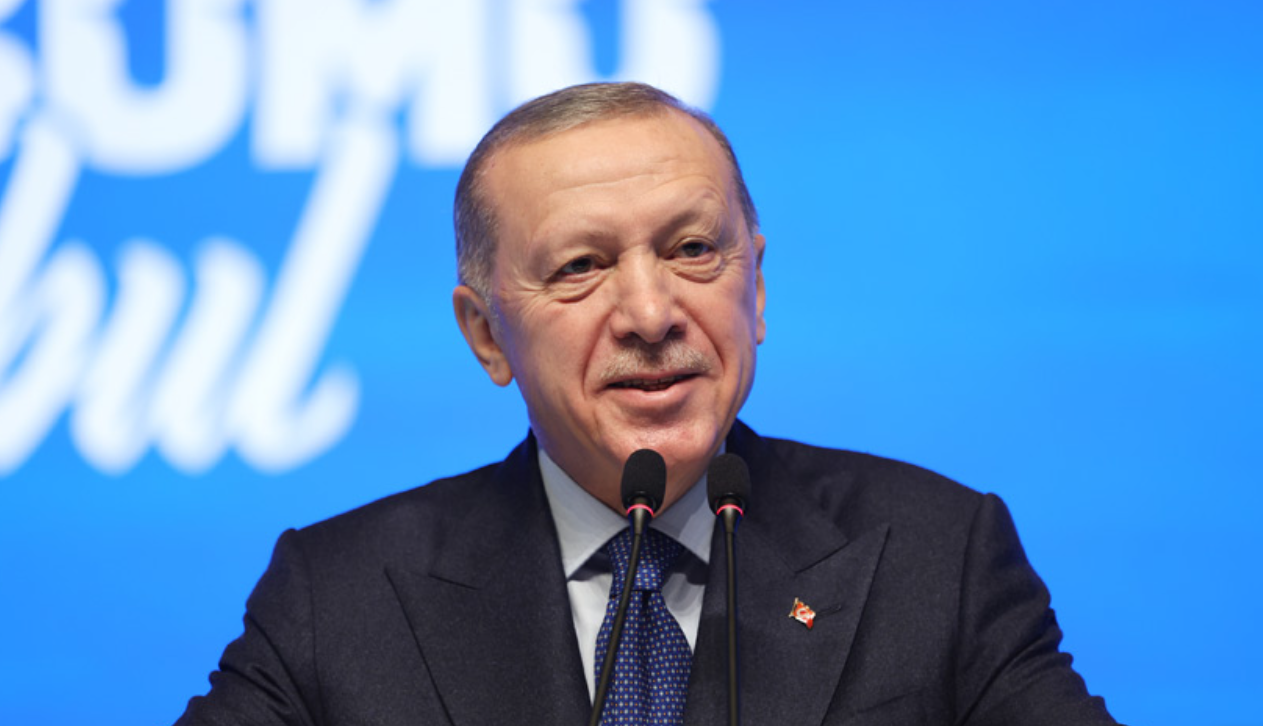
According to Espreso.tv: Turkish President Recep Tayyip Erdogan has declared his country’s readiness to support peace efforts to resolve the Russia-Ukraine war, stressing that dialogue remains essential. He stated that tangible results in conflict resolution through negotiations must be achieved soon.
Since the full-scale war began, Turkey has maintained active communication with both Kyiv and Moscow. In 2022, talks between the parties took place in Antalya and Istanbul, highlighting Turkey’s mediating role. Additionally, alongside the United Nations, Turkey played a key part in implementing the Black Sea Grain Initiative.
Future Peace Negotiations
Erdogan also expressed willingness to host new rounds of peace talks in 2025–2026, noting that Turkey, as an ally, can negotiate with both sides and initiate processes that yield results. He emphasized that Turkey’s fair stance has earned the trust of both parties.
“Euro-Atlantic security is experiencing a historic turning point,” Erdogan said, underscoring the need for continued efforts to achieve peace.
Erdogan’s remarks highlight Turkey’s strategic role in international efforts to peacefully resolve the conflict between Russia and Ukraine. As a nation with strong ties to both sides, Turkey could become a key mediator in future talks, potentially shaping the region’s trajectory. Its initiatives also inject fresh momentum into dialogue, which may help stabilize Europe and revive economic links in the area.
Read also
- Zelensky and Top Military Command Outline Response Plan to Russian Strikes
- EU's New Sanctions Package Targets Crypto Platforms Used to Bypass Restrictions
- New directives for Ukraine's National Security and Defense Council: Zelenskyy assigns tasks to Umerov and Klymenko
- Ukraine Extradites Former Lawmaker Demchak in Major Push to Bring Back Suspects
- EU Adopts 21st Sanctions Package Against Russia: What the New Restrictions Target
- Lithuania Accuses EU Nations of Undermining Sanctions for Their Own Economic Gain