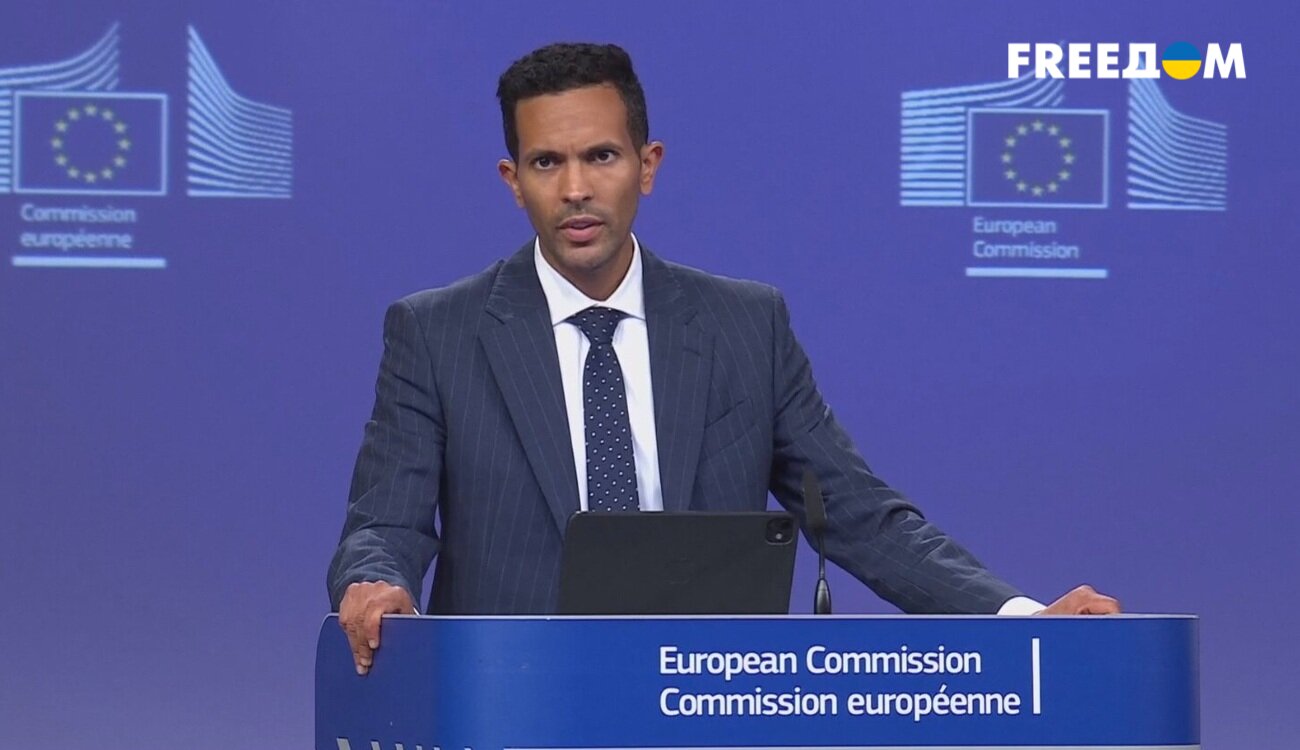
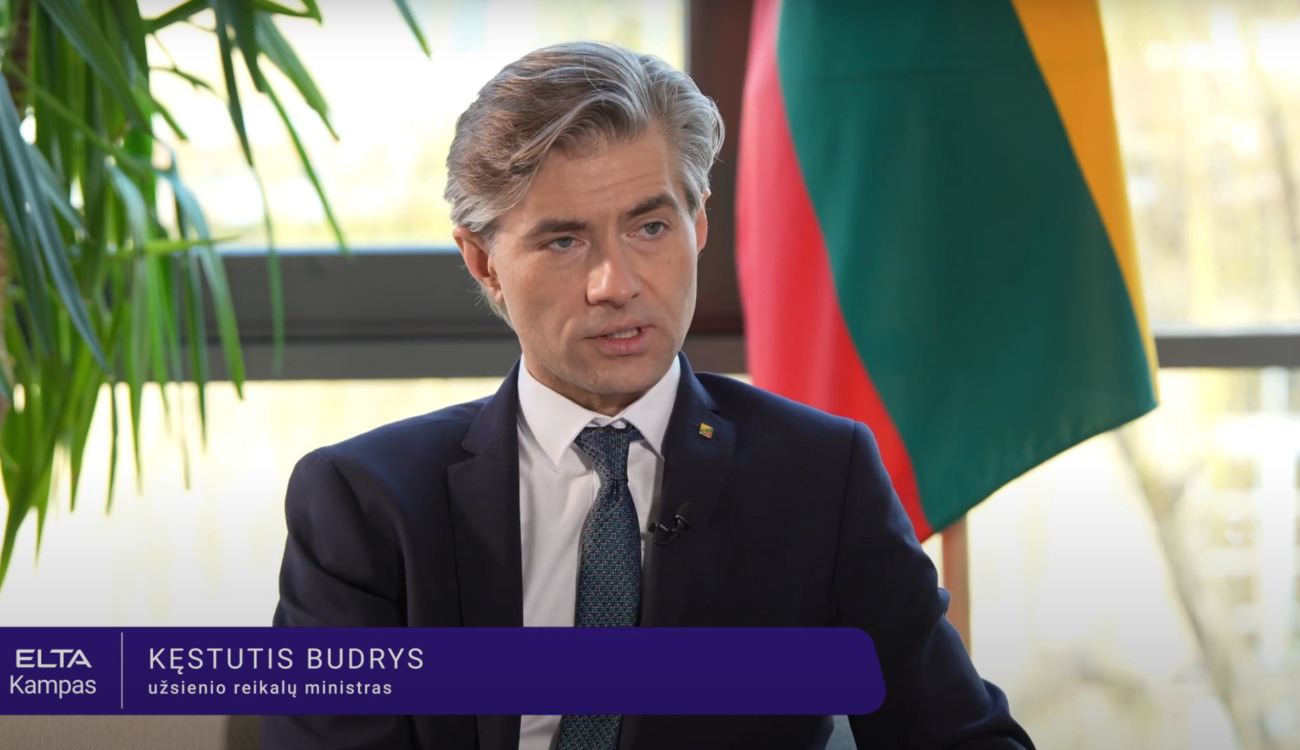
EU Considers Total Ban on Russian Sea Cargo in New Sanctions Package.

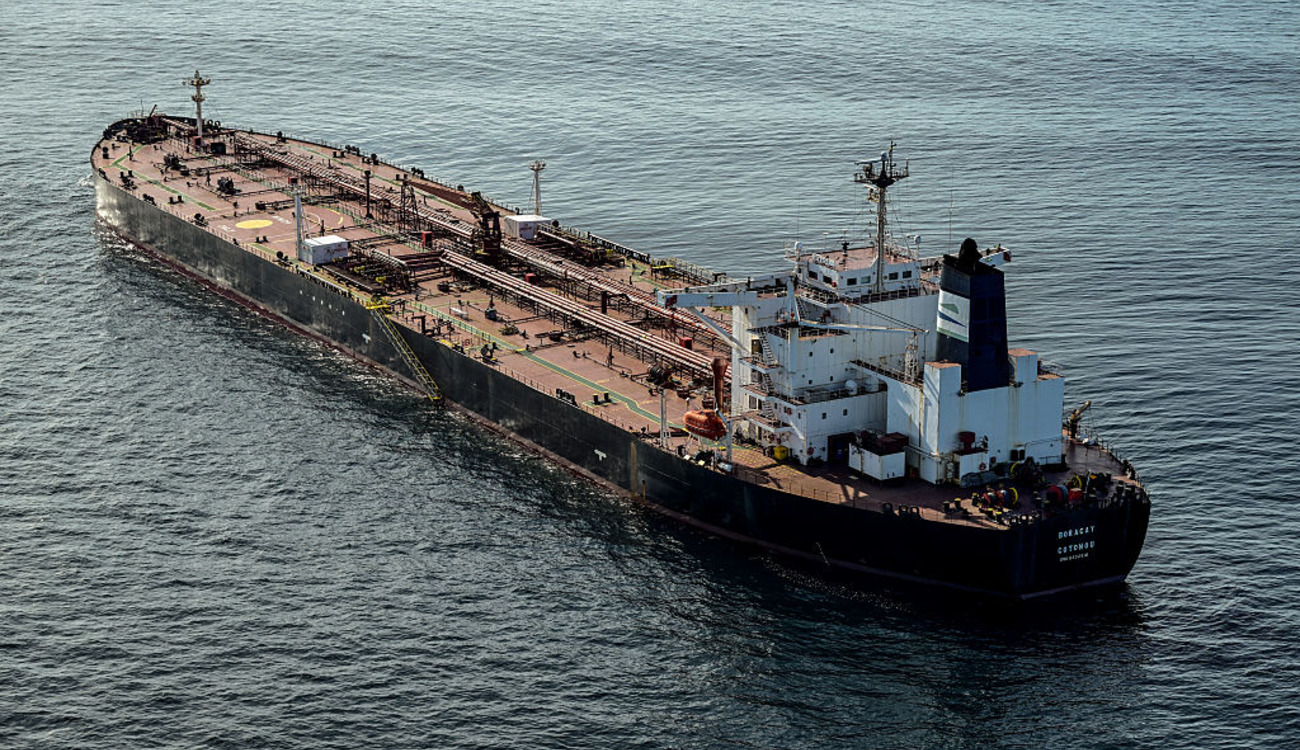
EU Targets Russian Economy with New Sanctions
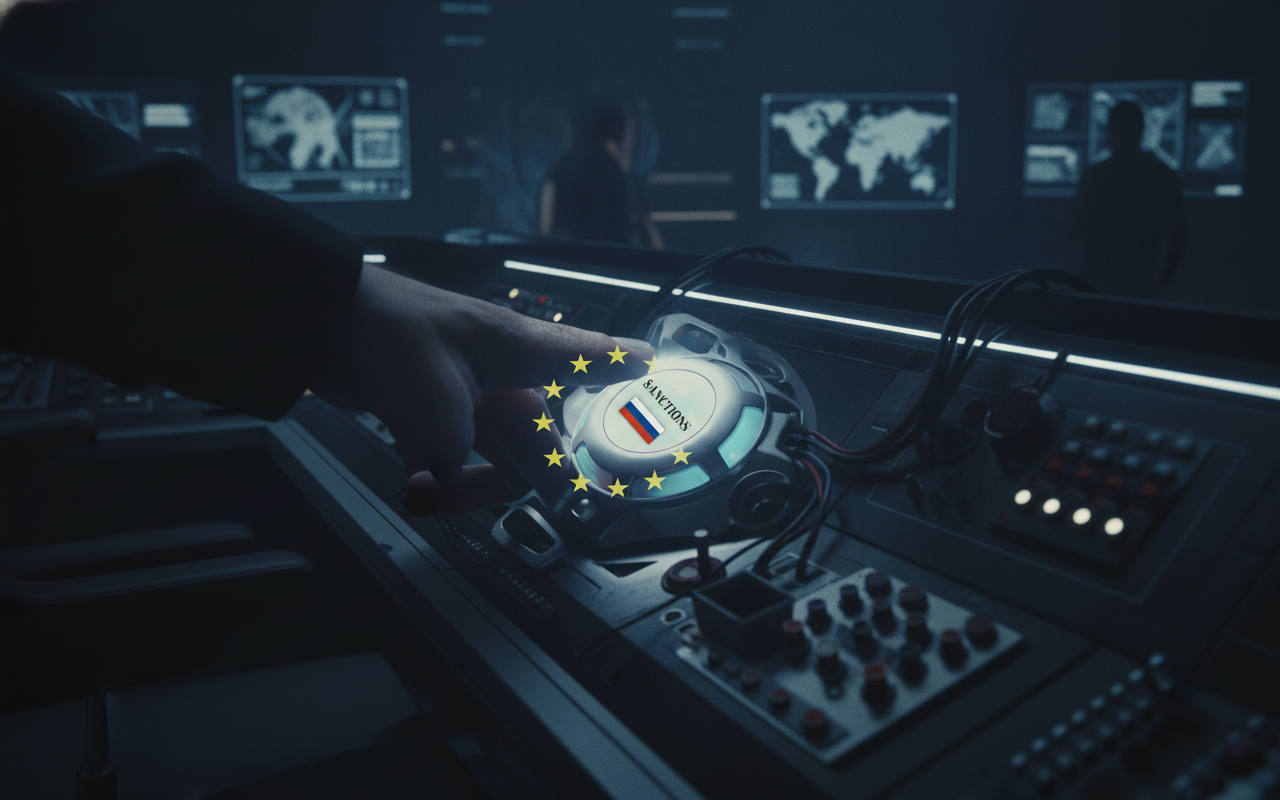
According to UATV: The European Union is preparing its 20th sanctions package against Russia for its aggression in Ukraine, with a key proposal being a complete embargo on the maritime transport of Russian goods, including oil and coal. This package is expected to be adopted by February 24, 2024. Such a ban could severely impact the Russian economy, as restricting sea shipments would likely lead to significant losses for the federal budget. This move represents a significant escalation in economic pressure, targeting a crucial artery of Russian trade.
Specifically, 14 EU nations have already warned tankers in Russia's so-called "shadow fleet" about the consequences of non-compliance. Estimates suggest Russia's budget could lose approximately 3 trillion rubles in oil revenues due to these sanctions. Notably, the price for specific batches of Russian oil has already fallen to $22-25 per barrel, indicating a decline in demand for Russian energy resources.
Economic Impact on Russia
According to anonymous sources, the EU's primary focus is on curtailing Russia's oil revenue. The UK's Department for Transport has also reaffirmed its commitment to combating the activities of the shadow fleet, emphasizing the importance of curbing their harmful maritime practices. These coordinated actions aim to close loopholes that have allowed Russia to circumvent previous energy sanctions.
Amidst these developments, it is worth noting that by early 2026, a liter of fuel in the United States is projected to cost nearly 5 rubles less than in Russia, further complicating the situation for Russian producers.
The proposed EU embargo on Russian sea cargo is part of a broader strategy to increase economic pressure on Russia, with the goal of reducing its funding for military operations in Ukraine.
These measures could significantly weaken the Russian economy, which is already feeling the effects of international sanctions and reduced demand for its energy. With the growing competitiveness of alternative energy suppliers like the United States, Russia's position is becoming increasingly difficult.
Read also
- Zelensky and Top Military Command Outline Response Plan to Russian Strikes
- EU's New Sanctions Package Targets Crypto Platforms Used to Bypass Restrictions
- New directives for Ukraine's National Security and Defense Council: Zelenskyy assigns tasks to Umerov and Klymenko
- Ukraine Extradites Former Lawmaker Demchak in Major Push to Bring Back Suspects
- EU Adopts 21st Sanctions Package Against Russia: What the New Restrictions Target
- Lithuania Accuses EU Nations of Undermining Sanctions for Their Own Economic Gain