The EU may restrict Huawei due to threats to the security of energy networks: what you need to know.

The Chinese company Huawei has found itself at the center of a scandal regarding the safety of European energy networks. In a letter, lawmakers urged the European Commission to 'restrict access' of the Chinese giant to solar energy systems, as it supplies critical components for these systems.
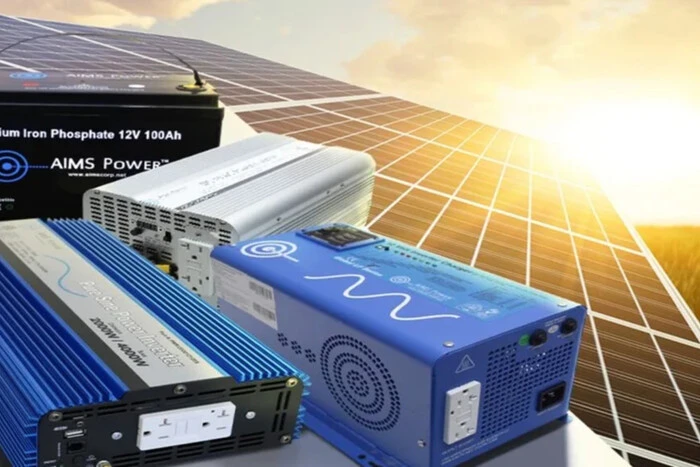
According to inkorr.com: Major concerns are raised about inverters for solar panels that convert electricity into current for use in power grids. These inverters are supplied by Chinese companies, among which Huawei holds a leading position in the market. Cybersecurity experts warn that these internet-connected devices can be hacked or turned off remotely, which could lead to serious disruptions in electricity supply in Europe.
According to a study by SolarPower Europe, Chinese companies control 65% of installed solar power capacity in Europe. The largest supplier is Huawei, which also dominates the telecommunications equipment sector. At the same time, Huawei is trying to restore its reputation in SolarPower Europe, leaving behind a corruption case that occurred in Brussels.
China's control and the EU's response
Experts note that the Chinese conglomerate may pose significant risks to the European energy system. The main concerns are related to potential interference in the operation of systems and remote management. Countries like Lithuania and the Czech Republic have already taken steps to limit the use of Chinese components in alternative energy, which allows them to avoid potential negative consequences.
The European Union is actively working to reduce dependence on Huawei to enhance cybersecurity. This could stimulate the development of domestic production of solar panels and batteries, which in turn would strengthen the stability of the energy system in Europe in the long term.
This situation highlights the growing attention to cybersecurity issues in the energy sector and the ongoing conflict between energy production and internet security. EU countries are taking necessary measures to reduce Huawei's impact on the region's energy systems to prevent possible consequences of cyber threats or technical failures.
Read also
- Day of Mourning Declared in Odesa as Russian Strike Death Toll Climbs to Four
- The 1972 Nuclear Blast in Kharkiv Region: How the USSR Attempted to Extinguish a Gas Flare
- Drone Strikes Hit LUKOIL Fuel Depots in Stavropol and Tver Regions
- Russian Drone Strikes Apartment Building in Kharkiv: Two Dead, Over 30 Injured
- SBU Expert Labels Assassination Attempt on Yermolayev a 'Dark TV Series' — What the Investigation Reveals So Far
- Odesa Rocket Attack on July 8: Two Dead, Two Injured in Strike