EU to Bypass Orbán’s Veto, Grant Ukraine €90 Billion in Loans.

European Union Loan Package for Ukraine
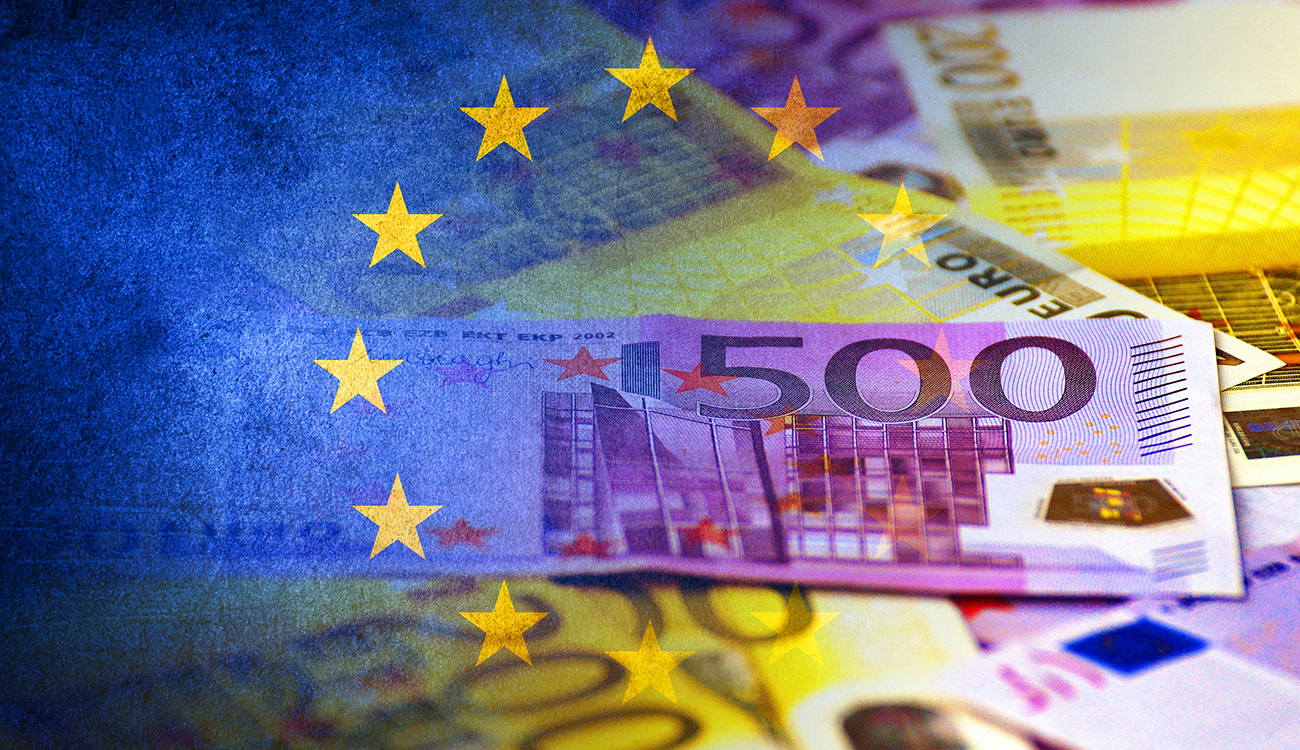
According to UATV: Ukraine is set to receive a €90 billion loan from the European Union, circumventing a veto by Hungarian Prime Minister Viktor Orbán. Discussions are underway on ways to bypass this obstacle and secure financial aid for Kyiv. European Commission President Ursula von der Leyen has confirmed the loan, which was originally approved by the European Council in December 2025.
Orbán vetoed assistance to Ukraine over a dispute related to the halt of Russian oil supplies via the Druzhba pipeline. This standoff has raised concerns not only in Ukraine but across Europe. Slovak Prime Minister Robert Fico has also threatened to block the aid package, potentially complicating the situation further.
Timeline and Political Dynamics
Ukraine’s National Bank expects the first disbursements to begin in April 2026. This timeline may prove critical, as Hungary is set to hold parliamentary elections around that time, which could shift Budapest’s stance on supporting Ukraine.
Ursula von der Leyen stated: 'Europe will always stand by Ukraine, regardless of what happens in other countries.'
These remarks underscore Europe’s unwavering commitment to Ukraine’s stability and development. President Volodymyr Zelenskyy also noted: 'We don’t need a Plan B—both Ukraine and Europe do,' highlighting the necessity of coordinated action during this challenging period.
Despite political hurdles, Ukraine is securing vital financial support that could be a key step in its recovery and growth.
The EU loan is a cornerstone of Ukraine’s financial strategy aimed at post-conflict rebuilding and deeper integration into European institutions. Political obstacles, including Hungary’s veto, may affect the timing and terms of disbursements, but the EU’s confirmed backing reflects solidarity among member states with Ukraine during these turbulent times. This also underscores the importance of EU-Ukraine relations amid shifts in the region’s political landscape.
Read also
- On Constitution Day, Biletskyi Highlights Ukrainians' Primary Duty
- Kyiv Pechersk Lavra’s Millennium Celebrations Get Official Go-Ahead from President Zelenskyy
- Ukraine's Drone Warfare Shifts the Rules: Crimea Now a Vulnerability for Russia
- Zelenskyy Unveils 40-Day Campaign to Pressure Russia: Key Details of the Plan Through 2026
- Colonel Kononnikov, Commander of the 154th Brigade, Found Dead: What We Know So Far
- Constitution Day Honors: Zelenskyy Awards Hero of Ukraine Title to Nine Service Members