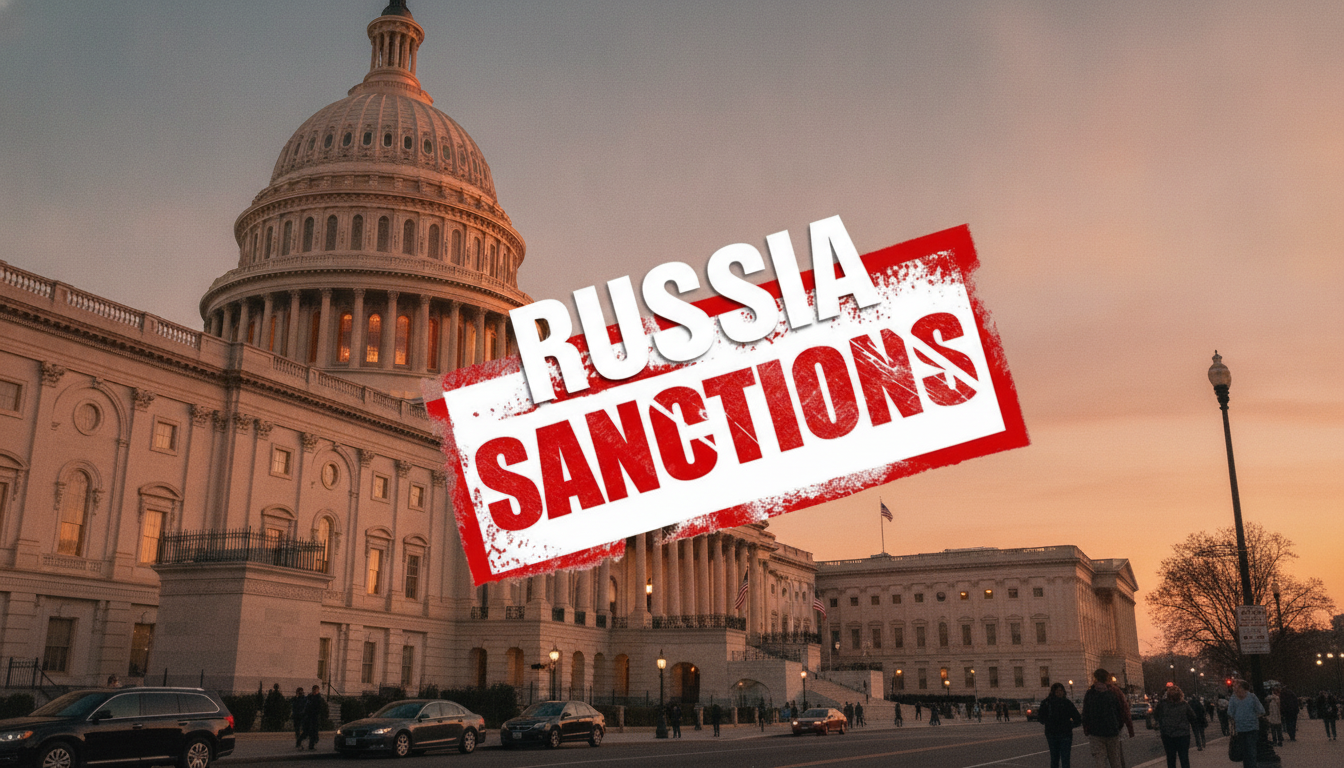
EU Fails to Approve 20th Russia Sanctions Package on February 23.

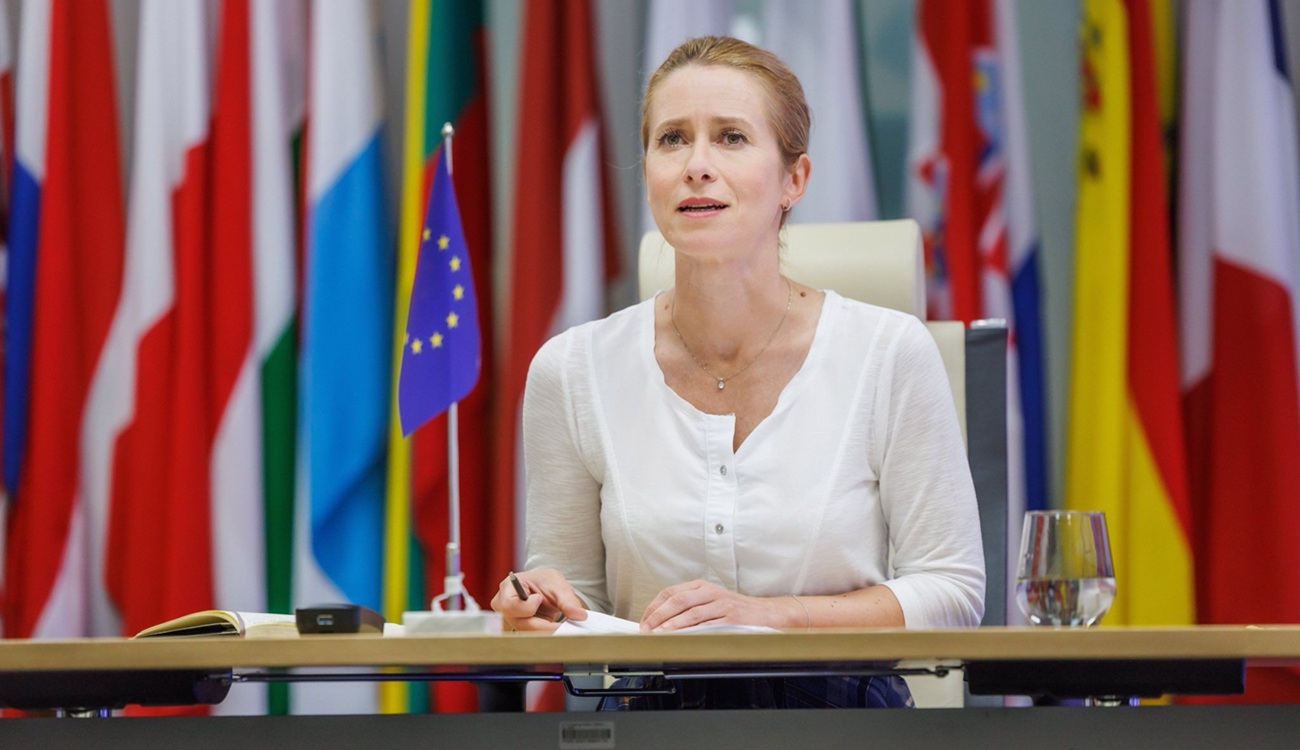
EU Foreign Ministers' Meeting
According to UATV: During a meeting in Brussels on February 23, the European Union's foreign ministers did not approve a proposed 20th package of sanctions against Russia. The EU's High Representative, Kaja Kallas, stressed the need to increase pressure on Moscow, noting that the following day would mark four years since the start of the war. She stated,
"Tomorrow marks four years since the start of this terrible war. Therefore, there will, of course, be a discussion on the 20th sanctions package, but as you all know, I think there will be no progress on this issue today, although we will certainly take steps to move it forward."
Hungary Blocks the Sanctions
The blockage of the 20th sanctions package was initiated by Hungary. The country's Prime Minister, Viktor Orbán, declared that
"Hungary will not resume diesel fuel exports to Ukraine, will refuse to approve the EU loan, and will block the EU's 20th sanctions package against Russia."A proposed €90 billion loan was also discussed, though the details of its approval remain undecided.
Furthermore, it was reported that the 'Druzhba' oil pipeline was damaged due to actions by Russian military forces. This situation highlights the ongoing tension between Russia and the European Union and casts doubt on the possibility of reaching a consensus among EU member states. Commenting on the situation, Kęstutis Budrys noted:
"The European Union cannot become a hostage to Hungary."Thus, the issue of sanctions against Russia remains a central focus of European politics, but no progress has been achieved for now.
The lack of progress on sanctions underscores the complexity of internal EU politics, where the interests of individual states can influence collective decisions. This is particularly evident with Hungary, which has taken a prominent stance regarding energy exports and loans. This impasse comes as the EU seeks to maintain a unified front against Russian aggression. Simultaneously, the situation with the 'Druzhba' oil pipeline emphasizes the critical importance of energy security within the context of geopolitical conflicts, requiring EU countries to adopt a more measured approach to sanctions policy.
Read also
- Orban Accuses Former Foreign Minister Szijjarto of Treason Over Alleged Moscow Ties
- Hungary Moves to Cap Lawmaker Terms: Madjar Pushes 17th Constitutional Amendment
- Hungary Blocks Ukraine’s EU Accession Again—Key Milestone Delayed
- Hungary Opposes Fast-Track EU Membership for Ukraine: Key Details Emerge
- Orban Warns EU Against Rushing Ukraine Talks — Here’s What’s Wrong With the Negotiation Clusters
- EU Greenlights Accession Talks with Ukraine After Hungary's New Prime Minister Drops Veto