EU Ministers Approve New Sanctions and a €90 Billion Loan for Ukraine.

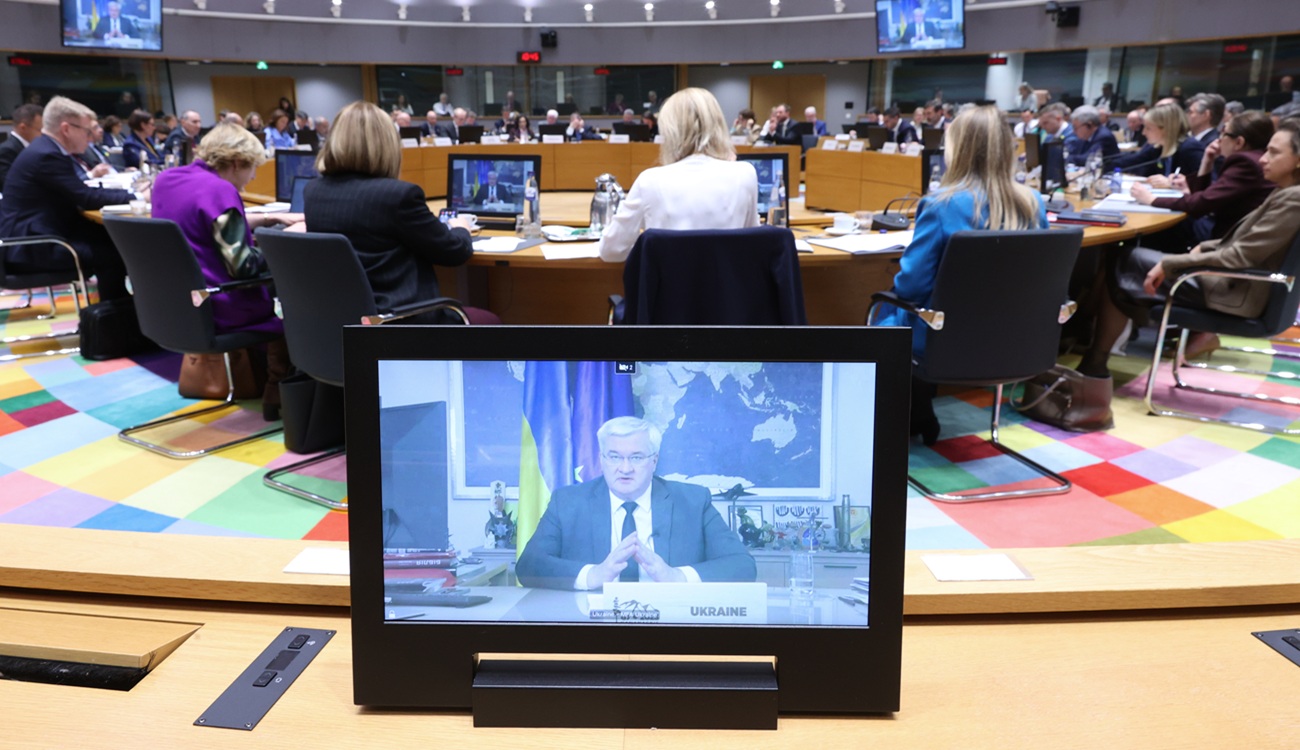
EU Foreign Ministers Discuss Ukraine and Russia
According to UATV: On February 23, 2023, the European Union's foreign ministers convened to address critical issues concerning the situations in Ukraine and Russia. The meeting, which took place on the eve of the fourth anniversary of Russia's full-scale invasion, focused on two key measures: a new, 20th package of sanctions against Russia and the approval of a substantial €90 billion loan to bolster Ukraine's economy. This financial support is a vital component of the broader international effort to aid Ukraine's recovery and resilience.
Estonian Prime Minister Kaja Kallas highlighted the timing, stating:
“Tomorrow marks four years since the start of this horrific war. Therefore, there will, of course, be a discussion on the 20th sanctions package.” - Kaja Kallas
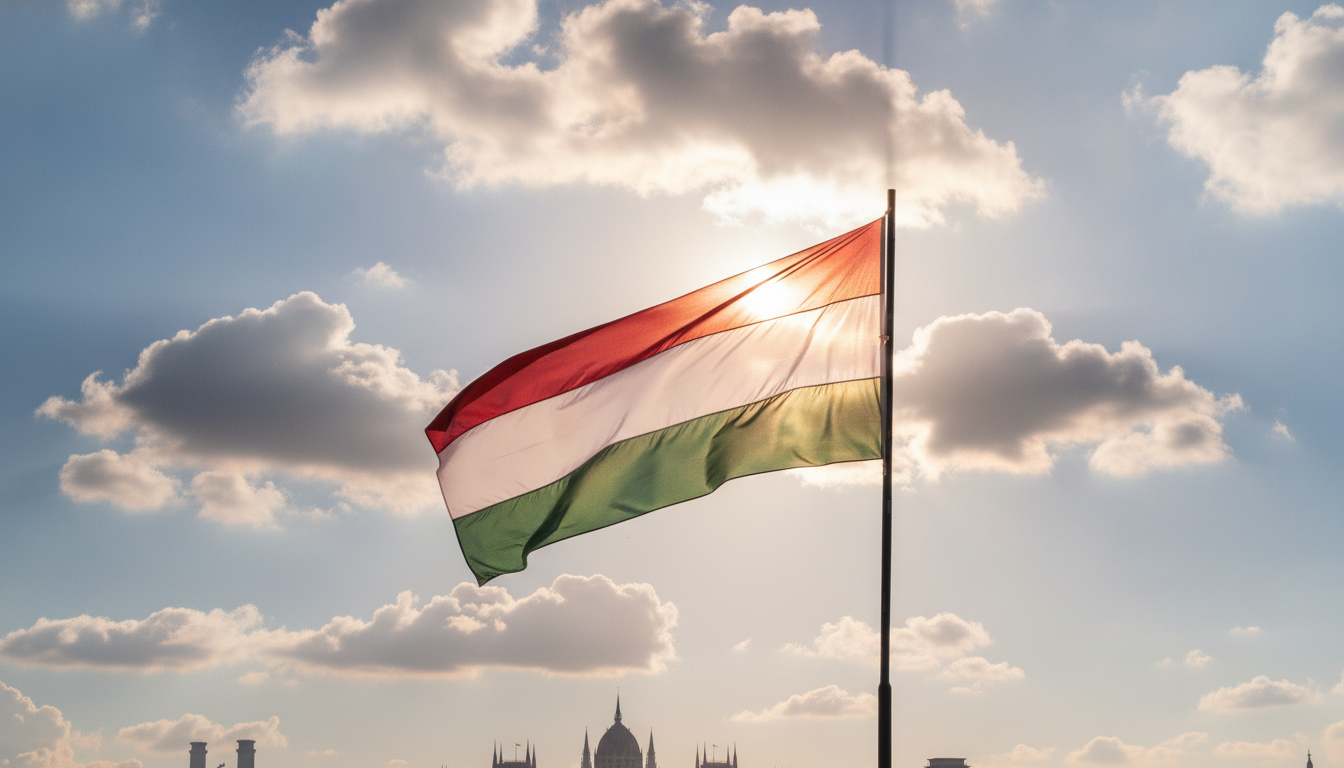
The discussions also touched upon the halted supply of oil from Ukraine to Hungary. Hungarian Foreign Minister Péter Szijjártó questioned Ukraine's decision not to resume these deliveries, asking: “Have you not heard about Ukraine's decision not to resume oil supplies to Hungary?” In response, other participants, including Andrii Sybiha, argued that “The actions of Budapest and Bratislava are currently only playing into the hands of the Russian aggressor.”
Emotions and Concerns Surface
The debate revealed deep-seated emotions and concerns regarding the ongoing conflict. Radosław Sikorski expressed his dismay, noting:
“I am deeply shocked by the fact that Ukraine is defending itself against the Russian army, and the Hungarians once understood what that was like.” - Radosław Sikorski
The EU foreign ministers' meeting represented a significant step in reinforcing a unified stance against Russia and providing concrete support for Ukraine. The situation remains tense, and the international community's continued actions will be crucial for the future of the region. The decisions on sanctions and financial aid underscore Europe's commitment to stability in Ukraine and countering Russian aggression, which continues to evolve in light of recent events.
Read also
- Kremlin Plot Fears: Lithuania and Poland Warn of Russian Provocations
- BYD Offers Top Job to Hungary's Former Foreign Minister Peter Szijjarto
- Poland's Foreign Minister Warns Putin: Warsaw Knows Russia's Plans and Is Ready to Defend Itself
- Poland Looks to Ukraine’s Experience with Military Disobedience as Defense Minister Weighs Legal Reforms
- Kremlin Preparing Provocations, Warns Poland’s Sikorski: ‘We Know They’re Planning Something’
- Poland Offers to Upgrade Ukraine's MiG-29 Fleet, but Who Will Foot the Bill?